Etos Kerja Orang Jepang: Pelajaran dari Negara dengan Produktivitas Tinggi

Link Slot : mahjong gacor

pekerjaan. Salah satu aspek yang paling menonjol dari etos kerja ini adalah konsep ganbaru, yang berarti “berusaha sekuat tenaga” atau “tidak menyerah”. Bagi orang Jepang, bekerja dengan sepenuh hati dan memberikan yang terbaik dalam setiap tugas adalah hal yang sangat dihargai. Mereka percaya bahwa setiap pekerjaan, sekecil apapun, layak untuk dikerjakan dengan penuh tanggung jawab, karena kualitas hasil kerja mencerminkan kepribadian dan integritas seseorang.

Selain itu, konsep kaizen, yang berarti “perbaikan berkelanjutan”, juga menjadi bagian penting dari etos kerja di Jepang. Hal ini mendorong orang untuk terus-menerus meningkatkan keterampilan dan efisiensi mereka, baik dalam pekerjaan individu maupun dalam tim. Perusahaan-perusahaan di Jepang seringkali mendorong karyawan untuk berinovasi dan mencari cara untuk meningkatkan proses kerja secara lebih efektif. Ini menciptakan lingkungan kerja yang penuh semangat, di mana setiap individu merasa bertanggung jawab atas kesuksesan tim dan perusahaan secara keseluruhan.

Namun, meskipun etos kerja yang kuat ini sering kali menghasilkan tingkat produktivitas yang tinggi, orang Jepang juga dihadapkan pada tantangan terkait keseimbangan kehidupan kerja. Budaya kerja yang mengutamakan dedikasi seringkali berisiko menyebabkan stres, burnout, dan masalah kesehatan mental. Oleh karena itu, penting bagi perusahaan dan individu untuk menyadari pentingnya keseimbangan antara pekerjaan dan kehidupan pribadi. Dengan pendekatan yang bijak, etos kerja orang Jepang dapat menjadi contoh inspiratif tentang bagaimana dedikasi dan inovasi dapat membawa kesuksesan, sambil tetap menjaga kesejahteraan fisik dan emosional.

Rongoā Māori: Traditional Healing Practices & Natural Remedies

marwaarsanios.info – Rongoā Māori is the traditional Māori system of healing, a practice rooted in the deep knowledge of nature and spirituality. This holistic approach to health incorporates a wide range of remedies, including medicinal plants, physical therapies, spiritual healing, and rituals. For centuries, Māori healers—known as tohunga rongoā—have used the land, sea, and sky as their primary sources of healing, treating physical, emotional, and spiritual ailments. This ancient knowledge was passed down through generations, intertwined with Māori worldview and culture, emphasizing the interconnectedness of people, nature, and the spiritual realm.

Today, Rongoā Māori is experiencing a revival, as Māori communities reclaim and revitalize their traditional healing practices. This article explores the principles of Rongoā Māori, the remedies and techniques used, and the ways in which these practices continue to shape Māori health and wellbeing in contemporary society.

The Principles of Rongoā Māori

Rongoā Māori is based on the concept of balance—balance within the body, between the body and the environment, and between the physical and spiritual realms. It recognizes that health is not simply the absence of disease but the harmonious alignment of mind, body, and spirit. Māori healing practices emphasize the importance of mauri (life force), tapu (sacredness), mana (spiritual power), and whakapapa (genealogy) in maintaining wellbeing.

Mauri – The Life Force

In Rongoā Māori, the idea of mauri is central to the understanding of health. Mauri refers to the life force or essence that exists in all living things—plants, animals, people, and even inanimate objects. The health of an individual is closely connected to the strength and balance of their mauri. When mauri is disturbed, whether through illness, stress, or spiritual disconnection, it can lead to physical and mental health problems. Rongoā Māori aims to restore balance to the mauri, helping individuals regain their vitality and wellbeing.

Tapu and Mana – Sacredness and Spiritual Power

Tapu and mana are integral to the Māori understanding of health. Tapu refers to the sacredness and protection of an individual or place, while mana represents spiritual power or authority. In Rongoā Māori, the healing process is seen as not just a physical one but a spiritual journey. Restoring health often involves addressing the spiritual dimensions of a person’s life, such as their relationships with ancestors, the natural world, and the gods.

Whakapapa – Genealogy and Connection to the Land

Whakapapa—the genealogy of a person or a tribe—is crucial in understanding Rongoā Māori practices. Healing involves understanding an individual’s connection to their ancestors, to their iwi (tribe), and to the land. Plants and natural remedies are considered sacred gifts from the environment, and the knowledge of how to use them is passed down through generations. This ancestral knowledge ensures that healing practices are connected to the land and its resources, maintaining the balance between people and nature.

Traditional Remedies and Techniques in Rongoā Māori

Rongoā Māori draws on a wide range of natural remedies, many of which are derived from the plants, trees, and herbs found in New Zealand’s unique environment. These plants are used for their medicinal properties and have been employed by Māori healers for centuries to treat a variety of ailments.

Healing Plants and Herbs

Māori traditional medicine is renowned for its use of native plants with therapeutic qualities. Some of the most important plants used in Rongoā Māori include:

  • Kawakawa (Macropiper excelsum): Often referred to as the “Māori aspirin,” kawakawa is widely used in Rongoā Māori for its anti-inflammatory, pain-relieving, and antibacterial properties. It is often brewed into a tea or applied as a poultice to treat wounds, stomach ailments, and joint pain.
  • Rātā and Kahikatea (White Pine): The bark and leaves of the rātā and kahikatea trees are used for respiratory issues, particularly coughs and colds. These plants are also used to treat wounds and infections.
  • Harakeke (Flax): The leaves of the flax plant are used for a variety of medicinal purposes, including for dressing wounds and burns. The sap is also used as a soothing ointment for skin ailments.
  • Tī Kaka (Cabbage Tree): The leaves of the cabbage tree are used to treat respiratory conditions such as asthma and bronchitis. Tī Kaka is also used as an antiseptic and anti-inflammatory.
  • Manuka (Leptospermum scoparium): Manuka is widely known for its antibacterial properties and is used in a range of treatments, including for wounds, infections, and digestive issues. Manuka honey is a modern example of its widespread use in healing.

Te Ahu (Physical Therapies)

Rongoā Māori also involves physical therapies to restore health and wellbeing. These therapies may include:

  • Massage (Rongoā Rākau): A traditional form of therapeutic massage that involves the use of hands, fingers, and sometimes hot stones to relieve muscle tension and improve circulation.
  • Taping and Binding: Traditional Māori healing methods may also include the use of natural materials, such as flax or harakeke, to bind injured limbs or provide support to aching joints.
  • Mirimiri (Massage Therapy): A form of bodywork therapy used to heal the body and mind by releasing tension and stress. It is often used in conjunction with spiritual healing and is considered a vital component of Rongoā Māori.

Spiritual Healing

In addition to physical treatments, Rongoā Māori places great emphasis on spiritual healing. This may involve the use of karakia (prayers), healing rituals, and spiritual guidance from Māori healers. The aim is to restore the individual’s spiritual connection to their ancestors, the environment, and the divine, as imbalance in the spiritual realm is often seen as a cause of physical illness. Spiritual healing is considered essential for holistic recovery, addressing the root causes of illness.

Wairua and the Healing Process

In Rongoā Māori, the healing process is seen as a balance between wairua (spirit), tinana (body), and hinengaro (mind). A practitioner may use various spiritual practices, including prayers and rituals, to address the spiritual causes of an illness. The idea is to restore harmony between the patient and their environment, ensuring that both their physical and spiritual needs are met.

The Revival of Rongoā Māori in Modern Times

In recent years, there has been a resurgence of interest in Rongoā Māori as part of a broader movement toward cultural revitalization and decolonization. Māori communities have increasingly turned to traditional healing practices to complement, and in some cases, replace modern medical treatments. This revival is not only about reclaiming traditional knowledge but also about strengthening Māori identity and sovereignty.

Māori health practitioners and universities have worked to formalize and incorporate Rongoā Māori into modern healthcare systems, with some practitioners offering services that combine traditional healing with contemporary medical practices. The integration of Rongoā Māori with modern medicine ensures that Māori communities have access to a more holistic form of healthcare, one that is culturally appropriate and acknowledges the spiritual dimensions of wellbeing.

Conclusion

Rongoā Māori is a profound and integral part of Māori culture, offering a holistic approach to health and healing that encompasses the mind, body, and spirit. By drawing on the natural world, spiritual practices, and ancestral knowledge, Rongoā Māori provides a powerful and enduring system of healing that has stood the test of time. As Māori people continue to reclaim and revitalize their traditional healing practices, Rongoā Māori plays a central role in promoting wellbeing, reconnecting individuals to their heritage, and asserting the importance of cultural identity in modern healthcare. In a world increasingly focused on the importance of environmental sustainability and holistic health, the knowledge and practices of Rongoā Māori serve as a valuable and relevant source of healing for future generations.


Aragua: A State of Contrasts – Landscapes and Cultures

marwaarsanios.info – Aragua, a state located in north-central Venezuela, is a region of stunning natural beauty and rich cultural heritage. With its diverse landscapes, ranging from coastal plains to mountainous regions, Aragua offers a captivating blend of urban and rural experiences.   

A Vibrant Coastal Paradise

The northern part of Aragua is blessed with a beautiful coastline along the Caribbean Sea. The popular beach towns of Choroní and Chuao are renowned for their pristine beaches, crystal-clear waters, and laid-back atmosphere. These coastal areas attract tourists from all over the world, seeking sun, sand, and surf.

A Thriving Industrial Hub

The central part of Aragua is home to several important industrial cities, including Maracay and Cagua. These cities are major centers for manufacturing, agriculture, and commerce. The region’s strategic location and well-developed infrastructure have contributed to its economic growth.

Historical Significance

Aragua has a rich history, dating back to pre-Columbian times. The state played a significant role in Venezuela’s independence movement, and many historical sites and monuments can be found throughout the region. The city of Maracay, in particular, is known for its colonial architecture and cultural heritage.   

Challenges and Opportunities

Like many parts of Venezuela, Aragua faces various challenges, including economic instability, crime, and social inequality. However, the state’s diverse resources, skilled workforce, and strategic location offer opportunities for future growth and development.

A Glimpse into the Future

As Venezuela continues to navigate its economic and political challenges, Aragua’s future remains uncertain. Despite the difficulties, the state’s natural beauty, cultural heritage, and resilient people offer hope for a brighter future. By investing in education, infrastructure, and sustainable development, Aragua can overcome its challenges and emerge as a prosperous and vibrant region.

Cerro Tatamá: A Biodiversity Hotspot in the Colombian Andes

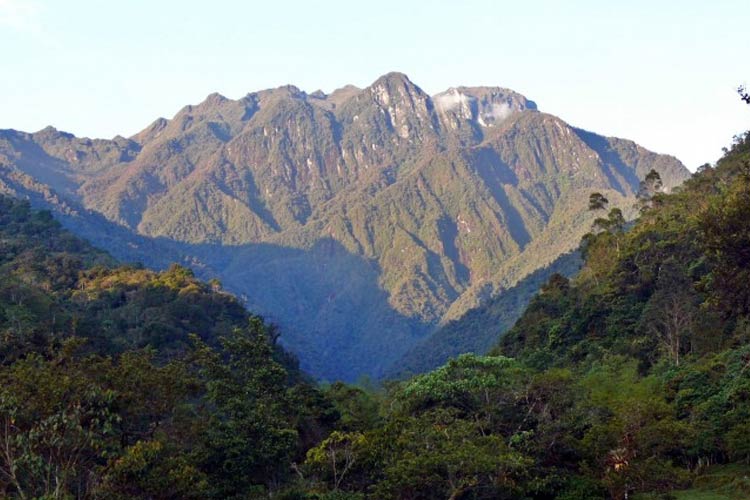
marwaarsanios.info – Cerro Tatamá, a majestic mountain in the Western Cordillera of Colombia, is renowned for its exceptional biodiversity. Rising to a height of 3,660 meters (12,008 feet), this ecological treasure trove is home to a vast array of unique plant and animal species.

A Biodiversity Hotspot

The diverse topography of Cerro Tatamá, ranging from tropical rainforests to high-altitude páramo, creates a mosaic of habitats that support a rich tapestry of life. The mountain’s isolation and steep slopes have contributed to the evolution of many endemic species, found nowhere else on Earth.

One of the most significant ecological features of Cerro Tatamá is its cloud forest. This unique ecosystem, characterized by constant mist and fog, is home to a wide variety of epiphytes, including orchids, bromeliads, and ferns. The cloud forest plays a crucial role in regulating water flow and maintaining the region’s biodiversity.

A Conservation Success Story

Recognizing the importance of Cerro Tatamá, the Colombian government established the Tatamá National Natural Park in 1989. This protected area encompasses over 68,000 hectares and safeguards the mountain’s unique biodiversity.

The park is home to a variety of threatened species, including the spectacled bear, the Andean condor, and the brown-throated parakeet. Conservation efforts within the park focus on protecting these species and their habitats, as well as promoting sustainable tourism and community development.

A Challenge for the Future

Despite the efforts to protect Cerro Tatamá, the mountain faces numerous threats, including deforestation, illegal logging, and climate change. The increasing demand for timber and agricultural land has led to the loss of forest cover, while rising temperatures are affecting the delicate balance of the páramo ecosystem.

To address these challenges, it is essential to strengthen conservation efforts, promote sustainable practices, and raise awareness about the importance of Cerro Tatamá. By working together, we can ensure that this biodiversity hotspot continues to thrive for generations to come.

Montego Bay: Jamaica’s Premier Tourist Destination

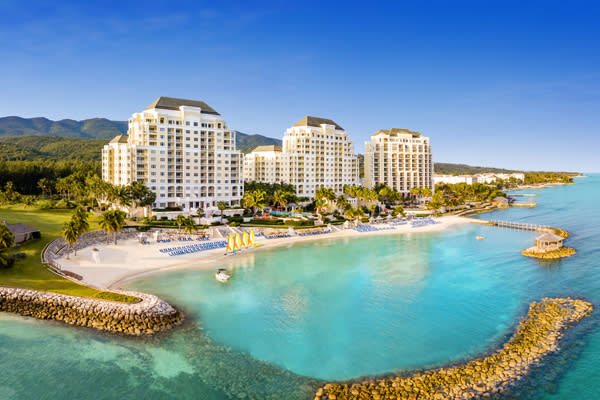
marwaarsanios.info – Montego Bay, often affectionately referred to as “MoBay,” is a vibrant coastal city and a major tourist destination in Jamaica. Renowned for its stunning beaches, luxurious resorts, and vibrant nightlife, Montego Bay offers a perfect blend of relaxation and adventure.

A Paradise for Beach Lovers

Montego Bay boasts some of the most beautiful beaches in the Caribbean. The soft, powdery sands and crystal-clear waters of Doctor’s Cave Beach, one of the most famous beaches in Jamaica, attract visitors from all over the world. Other popular beaches in the area include Cornwall Beach, Walter Fletcher Beach, and Ironshore Beach.

World-Class Resorts and Accommodations

Montego Bay is home to a wide range of world-class resorts and accommodations, catering to every budget and preference. From all-inclusive resorts offering luxurious amenities and gourmet dining to cozy boutique hotels, there’s something for everyone. Many resorts offer a variety of water sports, including snorkeling, scuba diving, and jet skiing.

A Vibrant Nightlife

Montego Bay’s vibrant nightlife scene offers something for everyone, from lively bars and nightclubs to elegant lounges. The Hip Strip, a popular entertainment district, is home to numerous bars, restaurants, and nightclubs. Visitors can enjoy live music, dance the night away, or simply relax with a cocktail.

A Taste of Jamaican Culture

Montego Bay offers a unique opportunity to experience Jamaican culture firsthand. Visitors can explore the local markets, sample authentic Jamaican cuisine, and immerse themselves in the island’s vibrant music scene. The city is also home to several historical sites, including Fort Montego, which offers stunning views of the city and the Caribbean Sea.

Adventure and Exploration

For those seeking adventure, Montego Bay offers a variety of outdoor activities. Visitors can explore the lush rainforests, go white-water rafting, or hike through the Blue Mountains. The city is also a great base for exploring other parts of Jamaica, such as the beautiful town of Ocho Rios and the stunning Dunn’s River Falls.

Montego Bay’s combination of stunning beaches, world-class resorts, vibrant nightlife, and rich cultural heritage makes it a top tourist destination in the Caribbean. Whether you’re seeking relaxation, adventure, or cultural immersion, Montego Bay has something to offer.

La Rioja: A Land of Vineyards and Mountains

marwaarsanios.info – La Rioja, a province nestled in northwestern Argentina, is a land of stunning landscapes, rich history, and vibrant culture. From the majestic Andes Mountains to the fertile valleys of the Famatina Range, this province offers a diverse range of experiences for travelers.

The Famatina Range: A Natural Wonder

The Famatina Range, a mountain range that stretches across the western part of the province, is a popular destination for outdoor enthusiasts. The mountains offer breathtaking views, challenging hikes, and opportunities for rock climbing and mountain biking. The region is also known for its mineral wealth, including gold, silver, and copper.

The Calchaquí Valleys: A Wine Lover’s Paradise

The Calchaquí Valleys, located in the eastern part of the province, are renowned for their wine production. The region’s unique climate and soil conditions create ideal conditions for growing grapes, particularly Malbec and Cabernet Sauvignon. The valleys are home to several wineries, offering wine tastings, vineyard tours, and gourmet dining experiences.

A Cultural Melting Pot

La Rioja’s cultural heritage is a fascinating blend of indigenous and European influences. The province is home to several indigenous communities, including the Diaguita and Kolla, who have a deep connection to the land. The influence of Spanish colonization is evident in the province’s architecture, music, and cuisine.

A Gastronomic Delight

La Rioja’s cuisine is a delicious fusion of indigenous and European flavors. The province is famous for its empanadas, a type of pastry filled with meat, cheese, or vegetables. Other popular dishes include locro, a hearty stew, and humita, a corn dish. The province is also known for its excellent wines, particularly those produced in the Calchaquí Valleys.

A Spiritual Journey

La Rioja is a spiritual destination, with numerous pilgrimage sites and sacred places. The province’s indigenous communities have a deep connection to the land and its sacred sites. The Quebrada de la Luna, a stunning lunar landscape, is a popular pilgrimage site.

A Sustainable Future

La Rioja is committed to sustainable development and environmental conservation. The province has implemented initiatives to protect its natural and cultural heritage. By preserving its unique ecosystems and promoting responsible tourism, La Rioja aims to ensure a sustainable future for generations to come.

A Hidden Gem

La Rioja, with its stunning landscapes, rich cultural heritage, and warm hospitality, is a hidden gem waiting to be discovered. Whether you are seeking adventure, relaxation, or cultural immersion, La Rioja offers a unique and unforgettable experience.

Leiria: A Medieval Gem in Portugal’s Heart

marwaarsanios.info – Leiria, a charming city nestled in the heart of Portugal’s Centro Region, offers a captivating blend of history, culture, and natural beauty. With its medieval castle, picturesque streets, and stunning landscapes, Leiria is a hidden gem waiting to be discovered.   

A Glimpse into History

Leiria’s history dates back to Roman times, when it was known as Lisso. The city’s strategic location and rich cultural heritage have made it a significant player throughout the centuries. During the Middle Ages, Leiria emerged as a powerful stronghold, and its imposing castle became a symbol of its strength and resilience.

Exploring Leiria’s Historical Treasures

  • Leiria Castle: This majestic castle, dating back to the 12th century, dominates the city skyline. Its imposing walls, fortified towers, and panoramic views offer a glimpse into the city’s rich history.  
  • Leiria Cathedral: This Gothic cathedral, built in the 16th century, is a stunning example of religious architecture. Its intricate stonework, beautiful stained-glass windows, and serene interior create a peaceful atmosphere.   
  • Museu Municipal de Leiria: This museum, housed in a former convent, houses a fascinating collection of archaeological artifacts, paintings, and sculptures, providing insights into the region’s history.  
  • Quinta das Torres: This historic estate, dating back to the 16th century, is a beautiful example of Renaissance architecture. Its stunning gardens, elegant fountains, and historic buildings offer a peaceful escape.

The Natural Beauty of the Region

Leiria is surrounded by breathtaking natural beauty. The Serra da Estrela, Portugal’s highest mountain range, is just a short drive away, offering opportunities for hiking, skiing, and other outdoor activities. The region’s rolling hills, pristine rivers, and charming villages create a picturesque landscape that is perfect for a relaxing getaway.   

A Taste of Regional Cuisine

Beira Litoral cuisine is renowned for its fresh seafood, grilled meats, and delicious pastries. Be sure to savor local specialties like caldeirada de peixe (fish stew), bacalhau à Brás (a codfish dish), and pastel de nata (custard tart). Pair your meal with a glass of vinho da Bairrada (Bairrada wine), a light and refreshing wine produced in the region.   

A Cultural Experience

Leiria hosts a variety of cultural events throughout the year, including music festivals, art exhibitions, and traditional fairs. The city’s annual festival, the Feira Medieval de Leiria, is a highlight of the cultural calendar, featuring colorful parades, medieval reenactments, and delicious food.

Buzău: A Hidden Gem with Unique Landscapes

marwaarsanios.info – Buzău, a county in southeastern Romania, is a captivating region that offers a unique blend of history, culture, and natural beauty. Often overlooked by tourists, Buzău is a hidden gem waiting to be discovered.   

A Tapestry of History

Buzău’s history dates back to ancient times, with evidence of human settlement dating back to the Neolithic period. The region has been influenced by various cultures, including Dacian, Roman, and Byzantine. The city of Buzău, the county capital, has a rich history, with numerous historical landmarks, such as the St. Nicholas Cathedral and the Old Town.  

Natural Wonders

One of the most striking features of Buzău is its diverse landscape. The Buzău Mountains, part of the Eastern Carpathians, offer breathtaking scenery, including towering peaks, deep valleys, and crystal-clear rivers. The mountains are a popular destination for hiking, climbing, and other outdoor activities.  

The Buzău Land is also known for its unique geological formations, such as the “Living Stones,” strange rock formations that resemble human figures. These enigmatic formations have sparked numerous theories about their origins, ranging from natural processes to extraterrestrial intervention.

Cultural Experiences

Buzău is a cultural hub, with a rich tradition of music, dance, and folklore. The county is home to several cultural festivals, including the “Zilele Buzăului,” which celebrates the region’s history, culture, and traditions.

The city of Râmnicu Sărat, located in Buzău County, is renowned for its salt lakes and mud baths. The salt lakes have therapeutic properties and have been used for centuries to treat various ailments.

A Gastronomic Delight

Buzău is a culinary paradise, offering a variety of traditional Romanian dishes. The region is famous for its wines, especially the Tămâioasă Românească variety. Visitors can enjoy delicious local cuisine at traditional restaurants and taverns.  

A Warm Welcome

The people of Buzău are known for their warm hospitality and friendly nature. Visitors can expect a warm welcome and a genuine desire to share their cultural heritage.

In conclusion, Buzău is a hidden gem in Romania, offering a unique blend of history, culture, and natural beauty. Whether you’re interested in exploring ancient ruins, hiking in the mountains, or simply relaxing in a peaceful setting, Buzău has something to offer everyone.

Dożynki: A Harvest Celebration of Gratitude

marwaarsanios.info – Dożynki, a traditional harvest festival celebrated in rural areas of Poland and other Slavic countries, is a time of joy, gratitude, and community. This annual event marks the end of the harvest season and honors the hard work of farmers and the bounty of the land.

A Celebration of Abundance

Dożynki is a celebration of abundance and prosperity. Farmers decorate their best crops and create elaborate wreaths, which are then presented to local authorities as a symbol of gratitude for a successful harvest. The festival is often accompanied by colorful processions, where people parade through the streets, carrying the harvest offerings.

Traditional Customs and Rituals

Dożynki is rich in traditional customs and rituals that have been passed down through generations. Some of the key elements of the festival include:

  • Harvest Procession: A colorful parade featuring decorated carts filled with the harvest, accompanied by folk musicians and dancers.
  • Blessing of the Harvest: A religious ceremony where priests bless the harvest and give thanks to God for a bountiful year.
  • Traditional Dance and Music: Folk music and dance performances, often accompanied by bagpipes and fiddles, create a festive atmosphere.
  • Harvest Feast: A communal meal featuring traditional dishes made from the harvest, such as bread, pastries, and various meat dishes.
  • Bonfires: Bonfires are lit to symbolize the purification of the land and the beginning of a new cycle.

A Sense of Community

Dożynki is not only a celebration of the harvest but also a time for community bonding. People from neighboring villages gather to share food, music, and stories. The festival strengthens social ties and reinforces the importance of agriculture and rural traditions.

The Enduring Significance of Dożynki

Despite the modernization of agriculture, Dożynki continues to be celebrated in many rural areas. It serves as a reminder of the importance of traditional customs and the connection between people and the land. By preserving these traditions, we honor the hard work of farmers and the cycle of life.

Réunion Island: A Tropical Paradise – A Volcanic Wonderland

marwaarsanios.info – Réunion Island, a French overseas department in the Indian Ocean, is a stunning tropical paradise. Known for its diverse landscapes, from volcanic peaks to pristine beaches, Réunion offers a unique blend of French culture and Creole traditions. This article will explore the island’s natural beauty, cultural richness, and exciting activities.

A Volcanic Wonderland

Réunion Island is a volcanic island, and its dramatic landscapes are a testament to its geological history. The Piton de la Fournaise, one of the most active volcanoes in the world, dominates the island’s eastern side. Hiking trails lead to the summit, offering breathtaking views of the surrounding area.

Pristine Beaches and Crystal-Clear Waters

The western coast of Réunion Island is home to some of the most beautiful beaches in the Indian Ocean. The white sand beaches of Saint-Gilles-les-Bains and Saint-Leu are perfect for sunbathing, swimming, and water sports. The island’s crystal-clear waters are ideal for snorkeling, diving, and whale watching.

A Cultural Melting Pot

Réunion Island’s culture is a fascinating blend of French, African, Indian, and Chinese influences. This cultural diversity is reflected in the island’s music, dance, and cuisine. The Creole cuisine of Réunion is a delicious fusion of flavors, combining fresh seafood, tropical fruits, and spices.

Outdoor Adventures

Réunion Island offers a wide range of outdoor activities for adventure seekers. Hiking, trekking, and climbing are popular activities in the island’s mountainous interior. The island’s rivers and waterfalls offer opportunities for white-water rafting, canyoning, and swimming.

A Unique Island Experience

Réunion Island is a truly unique destination that offers a diverse range of experiences. Whether you’re seeking adventure, relaxation, or cultural immersion, this Indian Ocean paradise has something for everyone.

Satay: Skewers of Grilled Meat Served with Peanut Sauce

marwaarsanios.info – Satay is a popular dish enjoyed by many across Southeast Asia and beyond. Known for its delightful combination of grilled meat and rich, flavorful peanut sauce, satay is a culinary experience not to be missed. This article explores the origins, preparation, and variations of this beloved dish.

Origins and History

Satay is believed to have originated in Indonesia, where it remains a staple of the local cuisine. The dish has since spread to other countries in the region, such as Malaysia, Singapore, and Thailand, each adding their own unique twist to the recipe. The word “satay” itself is thought to be derived from the Tamil word “catai,” meaning flesh.

Ingredients and Preparation

The main ingredients of satay are skewered meat, typically chicken, beef, or lamb, marinated in a mixture of spices. Common spices include turmeric, coriander, and cumin, which infuse the meat with aromatic flavors. The marinated meat is then grilled over an open flame, giving it a smoky char that enhances its taste.

The peanut sauce served with satay is equally important. Made from ground peanuts, coconut milk, soy sauce, and spices, the sauce provides a creamy, nutty contrast to the savory meat. This combination of flavors creates a harmonious balance that is both satisfying and delicious.

Variations Across Regions

While the basic concept of satay remains the same, regional variations abound. In Indonesia, for example, satay madura is a popular version known for its sweet soy sauce marinade. In Malaysia, satay is often served with a side of ketupat (rice cakes) and a spicy sambal sauce. Meanwhile, Thai satay might include a hint of lemongrass in the marinade, adding a citrusy note to the dish.

Enjoying Satay

Satay is a versatile dish that can be enjoyed as a snack, appetizer, or main course. It is commonly found at street food stalls, restaurants, and festive gatherings. Its portability and ease of preparation make it a favorite choice for outdoor barbecues and picnics.

In conclusion, satay is more than just skewers of grilled meat; it is a cultural symbol that showcases the rich culinary heritage of Southeast Asia. Whether enjoyed on its own or paired with peanut sauce, satay offers a delightful taste experience that continues to captivate food enthusiasts around the world.

Vanuatu: History, People, and Location

marwaarsanios.info – Vanuatu, a Pacific island nation, is known for its rich cultural diversity and stunning natural landscapes. Located in the South Pacific Ocean, northeast of Australia, Vanuatu consists of approximately 83 islands, offering a mix of rugged terrain, volcanic mountains, and coral reefs.

History

The history of Vanuatu is marked by its diverse cultural influences and colonial past. The earliest settlers, the Lapita people, arrived around 3,000 years ago, bringing with them a distinctive pottery style and a seafaring culture. European contact began in the 17th century, with explorers such as Pedro Fernández de Quirós and Captain James Cook visiting the islands.

In the late 19th century, both the British and French established colonial interests in the region, leading to the unique Anglo-French Condominium of the New Hebrides, which was established in 1906. This dual administration lasted until Vanuatu gained independence in 1980, becoming a member of the Commonwealth of Nations.

People

Vanuatu’s population is made up of a diverse mix of ethnic groups, predominantly Melanesian, with a small percentage of Polynesians, Europeans, and Asians. The country is home to over 100 languages, reflecting its cultural diversity. Bislama, a creole language, serves as the lingua franca, while English and French are also official languages.

The Ni-Vanuatu, as the indigenous people are known, maintain a strong connection to their traditional customs and practices, known as “kastom.” These traditions play a crucial role in daily life and community governance, and they are celebrated through music, dance, and ceremonies.

Location and Geography

Vanuatu is located in the southwestern Pacific Ocean, approximately 1,750 kilometers east of northern Australia. The archipelago stretches over 1,300 kilometers and consists of a chain of islands of volcanic origin. The largest islands include Espiritu Santo, Malakula, and Efate, which is home to the capital city, Port Vila.

The country is part of the Pacific Ring of Fire, with frequent volcanic activity and earthquakes. Vanuatu’s diverse ecosystems range from lush rainforests and fertile agricultural lands to pristine beaches and vibrant coral reefs, making it a popular destination for eco-tourism and adventure activities.

Conclusion

Vanuatu’s unique blend of history, people, and geography make it a fascinating and vibrant nation. Its rich cultural heritage, coupled with its stunning natural beauty, offers a captivating experience for visitors and a strong sense of identity for its inhabitants. As Vanuatu continues to navigate the challenges of modernization and climate change, it remains a testament to the resilience and diversity of the Pacific islands.

Olahraga Populer di Jepang: Sumo dan Baseball

marwaarsanios – Sumo adalah salah satu olahraga tertua dan paling ikonik di Jepang. Meskipun asal usulnya tidak diketahui secara pasti, ada bukti bahwa pertandingan sumo telah diselenggarakan sebagai bagian dari festival padi di Jepang kuno, sekitar dua atau tiga ribu tahun yang lalu. Menurut Nihon Shoki, buku sejarah tertua di Jepang, pada tahun 642, seorang bangsawan bernama Hakusai/Hakuzai mengatur festival sumo untuk merayakan pembukaan kuil baru yang telah ia bangun. Ini adalah catatan tertulis pertama dari pertandingan sumo.

Sumo dianggap sebagai olahraga nasional Jepang dan telah menjadi bagian integral dari budaya Jepang selama berabad-abad. Pada awal abad ke-20, bahkan sampai berdiri dua asosiasi sumo, yakni di Tokyo dan Osaka. Sumo juga telah berkembang dari ritual keagamaan menjadi olahraga profesional pada permulaan periode Edo (1600-1868).

Sumo memiliki struktur hierarkis yang ketat, dengan peringkat pegulat Jepang tercermin pada Banzuke (番付). Ada enam turnamen besar setiap tahun, yang disebut hon-basho, tiga di antaranya diadakan di Tokyo pada bulan Januari, Mei, dan September.

Pertandingan sumo melibatkan dua rikishi (pegulat sumo) yang berusaha mendorong atau melempar lawan keluar dari arena atau menjatuhkannya menggunakan berbagai teknik. Pegulat sumo harus berbadan besar dan gemuk karena semakin tambun pesumo, semakin besar pula kemungkinan untuk menang.

olahraga-populer-di-jepang-sumo-dan-baseball

Baseball, atau yakyū (野球), diperkenalkan ke Jepang dari Amerika Serikat selama periode Meiji (1868-1912). Sejak itu, baseball telah menjadi olahraga yang sangat populer di Jepang, dengan turnamen sekolah hingga liga profesional yang diadakan di seluruh negeri.

Baseball telah menjadi olahraga yang paling banyak ditonton di situs slot server jepang, dengan Liga Nippon Professional Baseball menjadi salah satu liga profesional terkemuka di dunia. Popularitas baseball di Jepang tidak hanya terbatas pada liga profesional, tetapi juga melibatkan siswa sekolah yang sering mengenakan seragam bersih dalam perjalanan mereka untuk bermain.

Baseball di Jepang memiliki struktur kompetisi yang kuat, mulai dari turnamen sekolah hingga kompetisi tingkat nasional. Turnamen sekolah, seperti Koshien, adalah salah satu acara yang paling ditunggu-tunggu dan menarik perhatian jutaan penonton setiap tahunnya.

Sumo dan baseball adalah dua olahraga yang sangat populer di Jepang, masing-masing dengan sejarah dan budaya yang kaya. Sumo, sebagai olahraga nasional, telah menjadi bagian integral dari budaya Jepang selama berabad-abad, sementara baseball, meskipun relatif baru, telah menjadi olahraga yang paling banyak ditonton dan dihargai di negara tersebut. Kedua olahraga ini tidak hanya menunjukkan kekuatan fisik dan keterampilan, tetapi juga menggambarkan nilai-nilai budaya dan tradisi yang mendalam di Jepang.

Zen Zone: The Tranquil Essence of Japan

marwaarsanios.info – Japan, an archipelago of stunning contrasts, is a land where ancient traditions blend seamlessly with modern innovation. Known for its serene landscapes, rich cultural heritage, and profound philosophical traditions, Japan offers a unique experience that embodies tranquility and balance. The concept of “Zen,” central to Japanese culture, permeates its art, architecture, and daily life, inviting visitors to explore the essence of peace and mindfulness.

Natural Beauty

Japan’s natural beauty is both diverse and breathtaking. From the iconic cherry blossoms in spring to the vibrant maple leaves in autumn, the changing seasons are celebrated with enthusiasm. The majestic Mount Fuji, often shrouded in mist, stands as a symbol of natural beauty and spiritual significance. Japan’s gardens, such as the Zen rock gardens of Kyoto, are meticulously designed to reflect harmony and simplicity, encouraging contemplation and inner peace.

Cultural Depth

Japan’s culture is a rich tapestry woven from centuries of tradition and artistic expression. The serene practice of tea ceremonies, the intricate art of bonsai, and the expressive forms of calligraphy all reflect the Zen philosophy that emphasizes simplicity and mindfulness. Traditional arts such as Noh and Kabuki theater, along with the martial discipline of Kendo and Judo, highlight the balance between discipline and creativity inherent in Japanese culture.

Historical Legacy

Japan’s historical legacy is preserved in its ancient temples, shrines, and castles. Kyoto, the city of a thousand temples, offers a glimpse into Japan’s spiritual heritage, with sites like Kinkaku-ji (the Golden Pavilion) and Ryoan-ji showcasing architectural elegance and Zen aesthetics. The historic streets of Nara and the preserved samurai districts of Kanazawa further illustrate Japan’s enduring connection to its past.

Conclusion

Japan’s “Zen Zone” is a realm of tranquility and reflection, where the harmony between nature, culture, and history creates a serene and balanced environment. Whether walking through a bamboo grove in Arashiyama, meditating in a Zen garden, or experiencing the quiet beauty of a traditional tea ceremony, Japan invites visitors to embrace a sense of peace and mindfulness. The tranquil essence of Japan continues to inspire and captivate, offering a profound journey into the heart of Zen.

Pesona Tersembunyi di Koh Ker: Ibu Kota Kuno Kerajaan Khmer

marwaarsanios – Koh Ker, yang terletak di provinsi Preah Vihear, Kamboja, adalah sebuah lokasi bersejarah yang sering kali terlewatkan oleh para wisatawan yang mengunjungi negara ini. Dikenal sebagai ibu kota kuno Kerajaan Khmer dari abad ke-10 hingga ke-12, Koh Ker menawarkan keindahan arsitektur kuno yang menakjubkan dan pemandangan alam yang memukau.

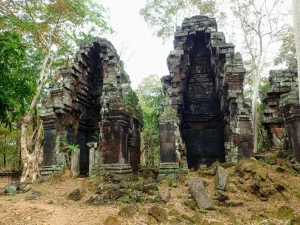
Koh Ker dibangun oleh Raja Jayavarman IV sebagai ibu kota baru kerajaan Khmer, menggantikan Angkor. Kota ini dibangun dengan tujuan untuk memperkuat kekuasaan dan pengaruh politik raja saat itu. Koh Ker dikenal karena memiliki sejumlah kuil yang megah, termasuk Prasat Thmar, Prasat Chen, dan Prasat Krahom, yang mencerminkan kemegahan arsitektur Khmer klasik.

pesona-tersembunyi-di-koh-ker-ibu-kota-kuno-kerajaan-khmer

Salah satu daya tarik utama di Koh Ker adalah Prasat Thom, yang merupakan kuil terbesar di kawasan ini. Dengan menara setinggi 30 meter yang berbentuk piramida, kuil ini merupakan simbol kejayaan arsitektur Khmer. Di sekitar Prasat Thom, terdapat banyak kuil kecil dan bangunan yang kaya akan ukiran dan relief yang menggambarkan kisah mitologi Hindu dan Buddha.

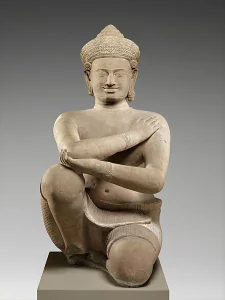
Koh Ker juga terkenal dengan Linga atau simbol kesuburan, yang diyakini memiliki makna spiritual dalam budaya Khmer. Pengunjung dapat melihat berbagai Linga yang tersebar di seluruh kawasan kuil, yang menambah pesona spiritual dari situs ini.

Selain warisan sejarahnya, Koh Ker juga dikelilingi oleh hutan lebat dan pemandangan alam yang menakjubkan. Keindahan alam di sekitar kuil-kuil ini menciptakan suasana damai yang sangat kontras dengan kebisingan dan keramaian tempat wisata lainnya di Kamboja, seperti Angkor Wat. Pengunjung dapat menjelajahi jalur trekking yang mengarah ke berbagai sudut indah, serta menikmati keanekaragaman hayati yang melimpah di daerah ini.

Meskipun tidak sepopuler Angkor, Koh Ker semakin menarik perhatian wisatawan berkat keindahan dan keunikan yang ditawarkannya. Untuk mencapai Koh Ker, pengunjung biasanya harus melakukan perjalanan darat selama sekitar 2-3 jam dari Siem Reap. Dengan infrastruktur yang semakin baik, akses ke situs ini menjadi lebih mudah, dan banyak wisatawan mulai menambahkan Koh Ker ke dalam daftar perjalanan mereka.

pesona-tersembunyi-di-koh-ker-ibu-kota-kuno-kerajaan-khmer

Bagi mereka yang mencari pengalaman wisata yang lebih tenang dan mendalam mengenai sejarah Khmer, Koh Ker adalah tempat yang sempurna. Dengan pesona yang masih tersembunyi, lokasi ini menawarkan kesempatan untuk mengeksplorasi warisan budaya yang kaya dan menikmati keindahan alam yang memikat.

Koh Ker adalah permata tersembunyi di kamboja slot yang layak untuk dijelajahi. Dengan kombinasi arsitektur yang menakjubkan, sejarah yang kaya, dan keindahan alam yang luar biasa, Koh Ker tidak hanya memberikan wawasan tentang masa lalu Kerajaan Khmer tetapi juga menjadi tempat yang ideal bagi para pencinta sejarah dan alam. Jadi, bagi Anda yang berencana mengunjungi Kamboja, jangan lewatkan kesempatan untuk mengunjungi Koh Ker, ibu kota kuno yang menyimpan banyak cerita menakjubkan.

Timeline: A History of Qatar Football

marwaarsanios.info – The journey of Qatar football is a fascinating narrative of growth, ambition, and success on the international stage. From its early beginnings to becoming a powerhouse in Asian football, Qatar’s football history is marked by significant milestones and achievements. Here is a timeline that captures the key moments in the evolution of Qatar football:

Early Beginnings (1950s-1960s)

  • 1950s: The first recorded football matches in Qatar were played informally among local expatriate communities.
  • 1960: The Qatar Football Association (QFA) was established, marking the formal beginning of organized football in the country.
  • 1963: Qatar joined FIFA, the international governing body of association football.

Formative Years (1970s-1980s)

  • 1972: Qatar hosted the 5th Arabian Gulf Cup, its first major international tournament, and finished in third place.
  • 1976: Qatar participated in the Asian Cup for the first time, held in Iran, and reached the quarter-finals.
  • 1980: Qatar hosted the Asian Cup for the first time and finished in fourth place.
  • 1984: Qatar won the Arabian Gulf Cup for the first time, signaling its growing football prowess in the region.

Rise to Prominence (1990s-2000s)

  • 1992: Qatar won the Arabian Gulf Cup for the second time, solidifying its status as a regional powerhouse.
  • 2000: Qatar reached the semi-finals of the Asian Cup, held in Lebanon, showcasing its continued competitiveness on the continental stage.
  • 2004: Qatar hosted the 13th Asian Games and won the men’s football tournament, a significant achievement for the nation.

Breakthrough and Success (2010s-2020s)

  • 2011: Qatar won the Arabian Gulf Cup for the third time, further cementing its dominance in the region.
  • 2019: Qatar made history by winning the Asian Cup for the first time, held in the United Arab Emirates. The team’s performance was exceptional, and they defeated Japan 3-1 in the final.
  • 2021: Qatar participated in the Copa America, a first for a West Asian nation, showcasing its ambition to compete on a global stage beyond Asia.
  • 2022: Qatar hosted the FIFA World Cup, becoming the first Arab country to do so. Despite not advancing past the group stage, the tournament was a landmark event that showcased the nation’s football infrastructure and capabilities.

Recent Achievements and Future Ambitions

  • 2023: Qatar continues to invest in youth development, infrastructure, and international competitions, aiming to sustain its success and further elevate its status in world football.

The history of Qatar football is a testament to the nation’s dedication and investment in the sport. From humble beginnings to achieving significant milestones on the international stage, Qatar’s football journey is one of ambition, perseverance, and success. As the nation looks to the future, it aims to build on its achievements and continue to make an impact on the global football landscape.

The Discovery and Early Exploration of Easter Island

marwaarsanios.info – Easter Island, known locally as Rapa Nui, is one of the most remote inhabited islands in the world, located in the southeastern Pacific Ocean. Its mysterious giant stone statues, known as moai, have captivated the imagination of explorers and researchers for centuries. This article delves into the discovery and early exploration of Easter Island, highlighting the key events and figures involved in uncovering its enigmatic past.

The Discovery by Jacob Roggeveen

Easter Island was first discovered by Europeans on Easter Sunday, April 5, 1722, by the Dutch explorer Jacob Roggeveen. Roggeveen, along with his crew aboard three ships, stumbled upon the island during a voyage in the South Pacific. The island’s name, “Easter Island,” was derived from the day of its discovery. Roggeveen was astonished by the sight of numerous large stone statues, which he described as “monumental” and “mysterious”.

Early European Visitors

Following Roggeveen’s discovery, Easter Island remained largely unknown to the outside world for several decades. It was not until 1774 that the British explorer James Cook visited the island. Cook was equally impressed by the moai and the island’s inhabitants, whom he noted had a variety of skin colors and distinctive earlobe piercings.

The Moai and Their Significance

The moai, the iconic stone statues of Easter Island, have been a subject of fascination and speculation. These statues, carved from volcanic rock, are believed to represent deceased ancestors and were erected along the coast to watch over the island. The largest moai stands at over 30 feet tall and weighs up to 80 tons. The process of carving and transporting these massive statues remains a mystery, with various theories suggesting the use of ropes, sleds, and human labor.

Theories on Settlement and Culture

The origins of the Rapa Nui people and their culture have been a topic of extensive research. Oral traditions suggest that the island was settled by Polynesians around 300-400 CE, although some scholars argue for a later settlement date around 1200 CE. The island’s isolation and limited resources led to the development of a unique culture, characterized by the construction of the moai and other monumental structures.

Environmental and Social Challenges

The Rapa Nui civilization faced significant environmental and social challenges. Deforestation and overuse of resources led to ecological collapse, which in turn contributed to social unrest and conflict. By the time Europeans arrived, the island’s population had drastically declined, and many of the moai had been toppled. The island’s history is a cautionary tale of the consequences of environmental mismanagement and cultural disruption.

Modern Research and Preservation

In recent years, extensive archaeological and scientific research has been conducted on Easter Island. Efforts to preserve the moai and other cultural artifacts have been ongoing, with international cooperation playing a crucial role. The island’s unique history and cultural significance continue to attract scholars and tourists alike, ensuring that the legacy of the Rapa Nui people remains a subject of global interest.

Conclusion

The discovery and early exploration of Easter Island by European explorers marked the beginning of a long and complex relationship between the outside world and the enigmatic Rapa Nui culture. The island’s mysterious moai, its isolated location, and the challenges faced by its inhabitants have made it a subject of enduring fascination. As research continues, the story of Easter Island continues to unfold, revealing new insights into one of the world’s most intriguing archaeological sites.

Nauru’s International Relations & Diplomacy

marwaarsanios.info – Nauru, a small island nation in the Pacific, has a unique and often tumultuous history in its international relations and diplomacy. Since gaining independence from the United Kingdom in 1968, Nauru has navigated complex geopolitical waters, particularly in its relationships with major powers like China and Taiwan. This article explores the key aspects of Nauru’s diplomatic engagements and the factors influencing its foreign policy.

Historical Context

Nauru became a sovereign, independent republic on January 31, 1968, following its independence from the United Kingdom. Since then, the country has established diplomatic relations with several nations, but its most notable diplomatic shifts have been in its relations with China and Taiwan.

Diplomatic Relations with China and Taiwan

Nauru’s diplomatic relations with China and Taiwan have been a significant focus of its foreign policy. The country first established diplomatic ties with Taiwan in 1980, but it has switched allegiances multiple times. In 2002, Nauru cut ties with Taiwan in favor of China, only to re-establish relations with Taiwan in 2005. Most recently, in January 2024, Nauru once again severed its diplomatic ties with Taiwan and re-established relations with China.

Reasons for the Shift

The decision to switch diplomatic recognition from Taiwan to China is often attributed to economic incentives and geopolitical considerations. China has been known to offer significant financial aid and development assistance to small Pacific nations in exchange for diplomatic recognition. This shift has far-reaching consequences, impacting the geopolitical landscape of the Pacific region and the balance of power between China and Taiwan.

Current Diplomatic Relations

As of 2024, Nauru maintains diplomatic relations with China, which has led to increased economic cooperation and development projects on the island. The re-establishment of ties was marked by a signing ceremony and high-level talks between the leaders of both nations, signaling a new chapter in their relationship.

Challenges and Future Prospects

Nauru’s small size and limited resources make it vulnerable to external pressures and economic dependencies. The country’s frequent shifts in diplomatic alliances highlight the challenges it faces in maintaining stable and beneficial international relations. Moving forward, Nauru will need to carefully balance its relationships with major powers to ensure its sovereignty and economic well-being.

Conclusion

Nauru’s international relations and diplomacy are characterized by strategic shifts and economic dependencies. The recent re-establishment of ties with China underscores the complex dynamics at play in the Pacific region. As Nauru continues to navigate its foreign policy, it will be crucial for the country to seek sustainable and mutually beneficial relationships that support its development and sovereignty.

By understanding the historical context and current dynamics of Nauru’s diplomatic engagements, we can better appreciate the challenges and opportunities facing this small island nation in the global arena.

A Model for the World: Iceland’s Renewable Energy Revolution

marwaarsanios.info – Iceland, a small island nation in the North Atlantic, has become a global leader in renewable energy production. The country’s journey from relying on fossil fuels to achieving 100% renewable energy for electricity and 90% for heating is a remarkable story of innovation, sustainability, and environmental stewardship. This article explores how Iceland has transformed its energy landscape and what lessons can be learned from its success.

Historical Context

For centuries, Iceland’s energy landscape was dominated by traditional methods, with the use of geothermal resources limited to basic activities like washing clothes and bathing. The transition to renewable energy began in earnest in the mid-20th century, driven by the need to reduce dependence on imported fossil fuels and harness the country’s abundant natural resources.

Key Drivers of the Revolution

Geothermal Energy

Iceland’s geothermal resources are among the most extensive in the world. The country has leveraged these resources to provide heat and electricity to its population. Today, geothermal energy accounts for a significant portion of Iceland’s energy mix, powering homes, businesses, and even industrial processes.

Hydropower

In addition to geothermal energy, Iceland has harnessed its abundant water resources to develop extensive hydropower facilities. Hydropower plants generate a substantial amount of electricity, contributing to the country’s goal of 100% renewable energy.

Wind Energy

While geothermal and hydropower are the primary sources of renewable energy in Iceland, the country has also made strides in developing wind energy. Recent investments in wind farms have further diversified Iceland’s renewable energy portfolio.

Achievements and Impact

Iceland’s commitment to renewable energy has led to several significant achievements:

  • 100% Renewable Electricity: Iceland is the only country in the world to generate 100% of its electricity from renewable sources, primarily geothermal and hydropower.
  • 90% Renewable Heating: The country has also made remarkable progress in heating, with 90% of homes using geothermal energy for heating.
  • Economic Benefits: The renewable energy sector has become a cornerstone of Iceland’s economy, supporting industries such as aluminum smelting and data centers, which require large amounts of electricity.

Lessons for the World

Iceland’s success in transitioning to renewable energy offers several lessons for other countries:

  • Leverage Natural Resources: Iceland’s abundant geothermal and hydropower resources were key to its energy transformation. Other countries should assess and utilize their natural resources effectively.
  • Government Support and Planning: Strong government support and long-term planning were crucial in Iceland’s energy transition. Policies and incentives can drive the adoption of renewable energy technologies.
  • Economic Diversification: The renewable energy sector can support economic growth by attracting industries that require large amounts of electricity, thereby creating jobs and boosting the economy.

Conclusion

Iceland’s renewable energy revolution is a testament to the potential of sustainable energy solutions. By harnessing its natural resources and implementing effective policies, Iceland has not only achieved energy independence but has also set a global standard for renewable energy production. As the world grapples with the challenges of climate change and energy security, Iceland’s experience provides valuable insights and inspiration for a greener future.

Australian Innovation Landscape: Research and Development

marwaarsanios.info – Australia’s innovation landscape is a vibrant and dynamic ecosystem that encompasses a wide range of activities, from cutting-edge research and development to the success of entrepreneurs and their businesses. This landscape is characterized by a blend of government support, academic excellence, and a growing startup culture. Understanding the key elements and trends within this ecosystem is essential for appreciating its potential and challenges.

Government Support and Policies

  1. Innovation Policies and Funding: The Australian government plays a crucial role in fostering innovation through various policies and funding initiatives. Programs like the Research and Development Tax Incentive and the Entrepreneurs’ Programme provide financial support and resources to businesses and researchers, encouraging them to innovate and commercialize their ideas .
  2. Innovation Precincts and Hubs: The establishment of innovation precincts and hubs across the country has created collaborative environments where startups, researchers, and industry professionals can work together. These spaces often provide access to state-of-the-art facilities, mentorship, and networking opportunities, facilitating the success of entrepreneurs and their businesses .

Academic Excellence and Research

  1. World-Class Research Institutions: Australia is home to several world-class research institutions and universities that are at the forefront of scientific and technological advancements. These institutions not only contribute to the global knowledge pool but also play a pivotal role in translating research into practical applications and commercial products .
  2. Collaboration Between Academia and Industry: The collaboration between academic institutions and industry is a hallmark of Australia’s innovation landscape. Such partnerships enable the exchange of knowledge, skills, and resources, leading to the development of innovative solutions to complex problems .

The Startup Ecosystem

  1. Growth of Startups and Scaleups: The Australian startup ecosystem has seen significant growth in recent years, with a focus on sectors such as fintech, healthtech, agritech, and cleantech. This growth is fueled by a combination of government support, venture capital investment, and a culture that celebrates entrepreneurship .
  2. Success Stories and Global Impact: Several Australian startups have achieved global success, demonstrating the potential of the local innovation landscape. Companies like Atlassian, Canva, and Afterpay have not only disrupted their respective industries but also inspired a new generation of entrepreneurs .

Challenges and Opportunities

  1. Talent Retention and Attraction: One of the key challenges facing the Australian innovation landscape is the retention and attraction of talent. The global competition for skilled workers in technology and research requires strategic efforts to ensure that Australia remains an attractive destination for top talent .
  2. Scaling Up Innovations: While Australia excels in generating innovative ideas and startups, scaling these businesses to become global leaders remains a challenge. This requires a supportive environment that facilitates access to capital, markets, and expertise .
  3. Digital Infrastructure and Connectivity: The development of a robust digital infrastructure is crucial for supporting innovation. Initiatives to improve broadband connectivity and digital literacy are essential for ensuring that all regions of Australia can participate in the digital economy .

Future Directions

  1. Focus on Emerging Technologies: Australia has the opportunity to focus on emerging technologies such as artificial intelligence, quantum computing, and biotechnology. Investing in these areas can position Australia as a leader in the global innovation landscape .
  2. International Collaboration: Engaging in international collaboration can open up new avenues for research, development, and commercialization. Partnerships with other countries can provide access to new markets, technologies, and talent .
  3. Sustainable Innovation: There is a growing emphasis on sustainable innovation, particularly in addressing climate change and environmental challenges. Australia can leverage its natural resources and innovative capabilities to develop sustainable solutions that benefit both the economy and the environment .

In conclusion, the Australian innovation landscape is a testament to the country’s commitment to fostering a culture of innovation and entrepreneurship. By addressing challenges and seizing opportunities, Australia can continue to drive economic growth, create jobs, and contribute to global innovation.

Suriname: A Tapestry of Cultures

marwaarsanios.info – Suriname, a small country on the northeastern coast of South America, is a vibrant mosaic of cultures, each contributing to the rich tapestry that defines the nation’s identity. This cultural diversity is a legacy of its history as a Dutch colony, which saw the arrival of people from Africa, India, Indonesia, China, and Europe, among others. Today, Suriname’s population is a unique blend of these ethnic groups, each with its own traditions, languages, and religions, yet united under the Surinamese identity.

The Historical Weave

The story of Suriname’s cultural tapestry begins with its indigenous peoples, the Amerindians, who have inhabited the land for thousands of years. Their influence is seen in the country’s name, derived from the Surinen tribe. The colonial era brought Dutch settlers, who established plantations and an economy heavily reliant on slave labor. African slaves, brought to Suriname in the 17th and 18th centuries, introduced their languages, religions, and traditions, which have since become integral to Surinamese culture.

The East Meets West

In the 19th and 20th centuries, Suriname’s cultural fabric was further enriched by the arrival of indentured laborers from India and Indonesia. These groups brought with them Hinduism, Islam, and Buddhism, as well as their culinary traditions, music, and festivals. The Javanese introduced coffee and tea plantations, while the Indians contributed to the cultivation of rice and sugarcane. The Chinese, who came later, established themselves in retail and commerce, leaving their mark on the local economy and cuisine.

A Melting Pot of Languages and Religions

Suriname’s cultural diversity is reflected in its linguistic landscape. Dutch is the official language, but Sranan Tongo, an English-based creole, is widely spoken. Additionally, there are several other languages, including Hindi, Javanese, and Mandarin, each representing a different community. This linguistic diversity is mirrored in the country’s religious landscape, which includes Christianity, Hinduism, Islam, and Buddhism, among others.

Festivals and Cuisine: The Heart of Surinamese Culture

The fusion of cultures is most evident in Suriname’s festivals and cuisine. The annual Keti Koti festival, celebrating the abolition of slavery, is a vibrant display of African-Surinamese culture, featuring music, dance, and traditional attire. Diwali, Phagwa, and Eid are other significant cultural celebrations, showcasing the diversity and unity of Surinamese society.

Surinamese cuisine is a testament to the country’s multicultural heritage, blending African, Indian, Javanese, Chinese, and Dutch influences. Dishes like roti, nasi goreng, and pom are enjoyed across the country, symbolizing the shared culinary heritage of Suriname’s people.

Preserving the Tapestry

Efforts to preserve and celebrate Suriname’s cultural diversity are ongoing. Museums, cultural centers, and festivals play a crucial role in educating both locals and visitors about the country’s rich history and traditions. The government and various organizations are committed to promoting cultural exchange and understanding, ensuring that Suriname’s tapestry of cultures remains vibrant and resilient.

In conclusion, Suriname’s unique blend of cultures is a testament to its history of migration and colonization. This cultural tapestry, woven over centuries, continues to define Suriname’s national identity, making it a fascinating destination for those seeking to experience the richness of multiculturalism.

The Gambia’s Crafts & Artisans: Preserving Traditions

marwaarsanios.info – The Gambia, a small West African nation, is renowned for its vibrant culture and rich heritage, much of which is encapsulated in its traditional crafts and artisanal work. These crafts are not just expressions of artistic skill but also serve as a means of preserving the country’s cultural identity and historical traditions. From intricate wood carvings to colorful textiles, The Gambia’s artisans are custodians of a legacy that spans generations.

The Art of Wood Carving

One of the most prominent crafts in The Gambia is wood carving, a practice that has been passed down through generations. Artisans use local hardwoods to create a variety of items, including masks, statues, and utensils. Each piece is meticulously carved by hand, often depicting scenes from daily life or mythological figures, reflecting the country’s cultural narratives.

Textile Weaving and Dyeing

Textile production is another significant craft in The Gambia. The country is famous for its tie-dye and batik fabrics, which are used to make clothing, accessories, and home decor items. The process of creating these textiles involves intricate techniques of folding, tying, and dyeing, which are carefully executed to produce unique patterns and colors. The Gambia’s textile artisans are skilled in maintaining the vibrancy and durability of these fabrics, ensuring that each piece is a testament to their craftsmanship.

Pottery and Ceramics

Pottery and ceramics have been an essential part of The Gambia’s cultural landscape, with potters creating functional and decorative items. The artisans use locally sourced clay to mold pots, bowls, and figurines, which are then fired in traditional kilns. The finished products often feature geometric patterns and are used in both domestic settings and ceremonial occasions.

The Role of Artisans in Cultural Preservation

The Gambia’s artisans play a crucial role in the preservation of the country’s cultural heritage. By continuing to practice and teach traditional crafts, they ensure that these skills are not lost to time. Their work also provides a window into The Gambia’s history and customs, offering visitors and locals alike a deeper understanding of the nation’s cultural tapestry.

Challenges and Opportunities

Despite the importance of these crafts, The Gambia’s artisans face various challenges, including competition from mass-produced goods and the need for sustainable practices. However, there are also opportunities for growth, such as the increasing interest in authentic, handmade products and the potential for artisanal tourism. By embracing modern marketing techniques and collaborating with international partners, The Gambia’s craftsmen and craftswomen can continue to thrive while safeguarding their traditions.

Conclusion

The crafts and artisans of The Gambia are more than just creators of beautiful objects; they are the keepers of the nation’s cultural flame. Through their dedication and skill, they preserve the heritage of The Gambia, ensuring that future generations can appreciate and continue the traditions that have been cherished for centuries. As the world becomes increasingly globalized, the importance of these artisans in maintaining cultural diversity and identity cannot be overstated.

The Silicon Savannah and Beyond: Kenya’s Tech Boom

marwaarsanios.info – Kenya has emerged as a beacon of technological innovation in Africa, earning the moniker “Silicon Savannah” due to its burgeoning tech ecosystem. This article explores the factors contributing to Kenya’s rise as a global tech hub and the future prospects of its tech industry.

The Rise of the Silicon Savannah

Kenya’s journey to becoming a tech powerhouse began in the early 2000s, with the introduction of M-Pesa, a mobile money system that revolutionized financial transactions in the country. M-Pesa, which serves over 22 million subscribers, has been a cornerstone of Kenya’s tech infrastructure, enabling a variety of mobile-based services and applications.

The government of Kenya has played a crucial role in fostering the tech ecosystem by providing supportive policies and infrastructure. President Mwai Kibaki’s administration was particularly instrumental in promoting technology and innovation, laying the groundwork for Kenya’s tech boom.

Key Factors Contributing to Kenya’s Tech Boom

  1. Skilled Workforce: Kenya boasts a growing pool of skilled developers and tech professionals, many of whom are educated at local universities and tech schools. This skilled workforce is essential for the development and maintenance of tech projects.
  2. Strategic Partnerships: Kenya has attracted major tech companies such as Google, Microsoft, Intel, and IBM, which have set up offices in Nairobi. These partnerships have brought significant investment and expertise to the local tech scene.
  3. Innovative Startups: The Silicon Savannah is home to numerous startups focusing on mobile technology, fintech, and e-commerce. These startups are driving innovation and creating new job opportunities.
  4. Government Support: The Kenyan government has implemented policies that encourage tech innovation and entrepreneurship. This includes the establishment of tech incubators and the provision of funding for startups.

The Future of Kenya’s Tech Industry

Kenya’s tech industry is poised for continued growth, with several initiatives aimed at expanding its tech ecosystem. The construction of Konza Technopolis, a planned smart city designed to be the hub of Kenya’s tech industry, is a significant step forward.

Moreover, Kenya’s tech ecosystem is increasingly focusing on sustainability and social impact, aligning with global trends towards responsible innovation. This shift is likely to attract more international investment and partnerships.

Conclusion

Kenya’s transformation into a tech powerhouse is a testament to the country’s visionary leadership, strategic policies, and a dynamic tech community. As Kenya continues to innovate and expand its tech infrastructure, it is well-positioned to lead Africa’s tech revolution and make a significant impact on the global tech landscape.

The Silicon Savannah is not just a geographical designation but a symbol of Kenya’s ambition and potential in the tech world. As the country looks beyond its current achievements, the future of Kenya’s tech industry promises to be as bright as its innovative past.

Shaping the Future Through Learning: Jamaican Education

marwaarsanios.info – Education in Jamaica is a cornerstone of the nation’s development strategy, aiming to equip its citizens with the knowledge, skills, and values necessary to contribute to a thriving society. The Jamaican education system, with its roots in a rich cultural heritage, is continuously evolving to meet the challenges of the modern world. This article explores the key aspects of Jamaican education, its impact on the country’s future, and the efforts being made to enhance learning outcomes.

The Structure of Jamaican Education

The Jamaican education system is divided into four main levels: early childhood, primary, secondary, and tertiary education. Each level plays a crucial role in shaping the educational journey of Jamaican students.

Early Childhood Education

Early childhood education in Jamaica lays the foundation for lifelong learning. Programs focus on the holistic development of children, including cognitive, social, emotional, and physical aspects. The government has recognized the importance of this stage and has been investing in expanding access to quality early childhood education.

Primary Education

Primary education is compulsory for children aged 6 to 12. This phase is critical for the development of basic literacy and numeracy skills. The curriculum is designed to be broad-based, covering a range of subjects to provide a well-rounded education. Primary schools also emphasize the importance of values and character development.

Secondary Education

Secondary education in Jamaica is divided into two main types: all-age schools and high schools. All-age schools cater to students from the primary to the secondary level, while high schools admit students after they have completed their primary education. The secondary curriculum is more specialized, allowing students to focus on specific subject areas that align with their interests and career goals.

Tertiary Education

Tertiary education in Jamaica includes community colleges, teacher training colleges, and universities. These institutions offer a variety of undergraduate and postgraduate programs, preparing students for the workforce or further academic study. The tertiary sector is also a hub for research and innovation, contributing to the country’s knowledge economy.

Challenges and Innovations

Despite its progress, the Jamaican education system faces several challenges, including resource constraints, disparities in educational quality, and the need for curriculum modernization. However, the government and educational stakeholders are working to address these issues through various initiatives.

Technology in Education

The integration of technology in the classroom is a significant focus, with efforts to enhance digital literacy and provide access to online resources. This not only supports the development of 21st-century skills but also helps to bridge the educational gap between urban and rural areas.

Teacher Training and Development

Investment in teacher training and professional development is crucial for improving the quality of education. Programs aimed at enhancing pedagogical skills and fostering a culture of continuous learning among educators are essential for the success of the education system.

Curriculum Reform

Curriculum reform is another area of focus, with efforts to make learning more relevant and engaging. This includes incorporating more practical and experiential learning opportunities, as well as ensuring that the curriculum reflects the diverse needs and aspirations of Jamaican students.

Conclusion

Jamaican education is a dynamic field, constantly adapting to the changing needs of society. By focusing on quality, equity, and innovation, the education system is playing a pivotal role in shaping the future of Jamaica. As the country continues to invest in its human capital, the potential for educational excellence and national development is limitless. The journey of Jamaican education is a testament to the power of learning in transforming lives and building a prosperous nation.

Model of Accessibility: The Andorran Healthcare System

marwaarsanios.info – Andorra’s healthcare system, known as Caixa Andorrana de Seguretat Social (CASS), stands out globally for its high quality and accessibility. Established in April 1968, CASS has been instrumental in providing low-cost medical care to the residents of Andorra, making it a model of accessibility and efficiency in healthcare delivery.

Quality and Rankings

Andorra’s healthcare system has consistently ranked among the best in the world. In 2017, The Lancet medical journal rated Andorra as number one in the Healthcare Access and Quality Index (HAC), with an impressive score of 95 out of 100. This ranking reflects Andorra’s exceptional performance in providing accessible and high-quality healthcare services.

Coverage and Accessibility

Healthcare in Andorra is provided to all employed persons and their families through the government-run social security system, CASS. More than 90% of Andorra’s inhabitants are covered by this system, ensuring broad access to healthcare services. Residents can access the public healthcare system by joining CASS, which is a crucial step in ensuring comprehensive coverage.

Cost and Financing

Andorra’s healthcare system operates on a public healthcare model with co-payment, where the costs are shared between the state and the residents. This system helps in distributing the financial burden and making healthcare more accessible to all segments of the population.

Innovations and Efficiency

To enhance accessibility and efficiency, Andorra has implemented the referring physician concept. This system requires CASS users to choose a referring physician, which helps in improving coordination and efficiency within the healthcare system.

Conclusion

The Andorran healthcare system, through its innovative approach and commitment to quality, has set a high standard for healthcare accessibility and efficiency. With its consistent top rankings in global healthcare indices, Andorra continues to be a model for other countries looking to improve their healthcare systems. The success of CASS lies in its ability to provide high-quality healthcare services at an affordable cost, ensuring that all residents have access to necessary medical care.

Islam, Christianity, and Beyond: Albania’s Religious Diversity

marwaarsanios.info – Albania, a small country nestled in the Balkan Peninsula, has a rich tapestry of religious diversity that is both fascinating and unique. Unlike many of its neighbors, Albania’s religious landscape is not dominated by a single faith but is instead characterized by a harmonious coexistence of Islam and Christianity, with a sprinkling of other beliefs. This article explores the historical context, current religious demographics, and the societal implications of Albania’s religious diversity.

Historical Context

Albania’s religious diversity is deeply rooted in its history. The country was predominantly Christian until the Ottoman conquest in the 15th century, which introduced Islam. Over the centuries, both religions have left their mark on Albanian culture and society. The country’s strategic location between Europe and Asia has also made it a crossroads for various religious influences.

Religious Demographics

Today, Albania’s population is roughly divided between Muslims and Christians, with a small percentage adhering to other beliefs or declaring themselves non-religious. The Muslim community is further divided between Sunni and Bektashi, a Sufi order with significant differences in practices and beliefs from mainstream Sunni Islam. Christians in Albania are primarily Orthodox, with a smaller number of Roman Catholics.

The Bektashi Influence

The Bektashi order, recognized as a distinct faith in Albania, has played a crucial role in the country’s religious landscape. It has been associated with Albanian nationalism and has a unique set of rituals and beliefs that incorporate elements of Christianity and local traditions. The Bektashi community has been particularly influential in the southern part of the country.

Interfaith Harmony

One of the most striking aspects of Albania’s religious diversity is the level of interfaith harmony. Despite the country’s tumultuous history, including a period of state-enforced atheism under the communist regime, Albanians have generally managed to coexist peacefully across religious lines. This is exemplified by the common practice of families celebrating both Christian and Muslim holidays, and the presence of Christian and Muslim symbols side by side in public and private spaces.

The Role of Religion in Society

Religion in Albania is often seen as a personal matter, with a low level of religious observance compared to other countries in the region. This secular approach to religion has been encouraged by the government, which promotes a policy of religious neutrality. However, religious communities continue to play an important role in Albanian society, contributing to cultural events, education, and social welfare.

Challenges and Opportunities

While Albania’s religious diversity is a source of pride, it also presents challenges. The country is working to address issues such as the restoration of religious properties damaged during the communist era and the integration of religious education into the school curriculum in a way that respects the country’s pluralistic values. Additionally, Albania’s experience with religious tolerance offers valuable lessons for other countries grappling with religious diversity and conflict.

Conclusion

Albania’s religious diversity is a testament to the country’s rich history and the resilience of its people. The coexistence of Islam and Christianity, alongside other beliefs, is a unique feature of Albanian society that contributes to the country’s cultural richness. As Albania continues to navigate the complexities of modern life, its tradition of religious tolerance remains a beacon of hope and a model for peaceful coexistence in a diverse world.

Cultural Diversity in the Heartland: China’s Minority Tribes

marwaarsanios.info – China, a vast country with a rich tapestry of history and culture, is home to not only the Han majority but also to 55 officially recognized ethnic minority groups. These minority tribes, scattered across the country’s vast landscape, contribute to the cultural diversity that enriches the nation’s heritage. From the snow-capped peaks of the Himalayas to the lush tropical forests of Yunnan, each tribe has its unique traditions, languages, and customs, making China a melting pot of ethnic diversity.

The Tapestry of Ethnic Diversity

China’s ethnic minority groups are as diverse as the country’s geography. The Zhuang, with a population of over 16 million, is the largest minority group, primarily residing in the Guangxi Zhuang Autonomous Region. Other significant groups include the Manchu, Hui, Miao, Uyghur, Yi, Tujia, Mongolian, Tibetan, and Buyi, among others. Each of these groups has its distinct language, dress, and cultural practices, contributing to the vibrant mosaic of Chinese society.

Preserving Cultural Heritage

In recent years, the Chinese government has taken steps to preserve the cultural heritage of these minority tribes. Autonomous regions, prefectures, and counties have been established to protect the rights and promote the cultures of these ethnic groups. Traditional festivals, such as the Mongolian Naadam, the Tibetan Losar, and the Dai Water-Splashing Festival, are celebrated with government support, allowing these traditions to flourish.

The Challenge of Modernization

Despite efforts to preserve their cultures, many minority tribes face challenges in the face of modernization and globalization. Younger generations may be more inclined to adopt mainstream Han culture, leading to a dilution of traditional practices. However, there is also a growing movement among these communities to revitalize their languages and customs, using technology and education to ensure their survival.

Tourism and Cultural Exchange

Tourism has become a significant factor in the lives of many minority tribes. Visitors from around the world are drawn to the unique cultures and traditions of these communities. While tourism can bring economic benefits, it also poses risks of cultural commodification. Balancing the needs of development with the preservation of cultural integrity is a delicate task for both the government and the tribes themselves.

Conclusion

China’s minority tribes are a testament to the country’s rich cultural diversity. Their resilience and vibrancy add depth to the nation’s identity, reminding us of the importance of preserving the world’s diverse cultures. As China continues to develop, the protection and celebration of these ethnic groups will be crucial in maintaining the country’s unique mosaic of traditions and heritage.

A Worldwide Connection: The Portuguese Language

marwaarsanios.info – The Portuguese language is a Romance language that originated in the Iberian Peninsula. It is the official language of Portugal, Brazil, and several other countries and territories, making it one of the most widely spoken languages in the world. With a rich history and a global reach, Portuguese serves as a bridge connecting people across continents, cultures, and communities.

The Origins of Portuguese

The roots of Portuguese can be traced back to the Vulgar Latin spoken by the Romans who occupied the Iberian Peninsula during the 2nd century BC. Over time, the language evolved, influenced by the local Celtic and Germanic languages, as well as by the Arabic language during the Moorish occupation. By the 15th century, Portuguese had become the language of a global empire, spreading to the Americas, Africa, and Asia through exploration and colonization.

Portuguese as a Global Language

Today, Portuguese is spoken by over 270 million people worldwide. It is the sixth most spoken language in the world and the third most spoken European language, after English and Spanish. The language’s global presence is a testament to the historical and cultural impact of Portugal and Brazil, the two largest Portuguese-speaking countries.

Brazil: The Largest Portuguese-Speaking Country

Brazil, with its vibrant culture and large population, is the epicenter of the Portuguese-speaking world. The language has been adapted and enriched by the diverse influences of indigenous peoples, Africans, and immigrants from Europe and Asia, creating a unique dialect known as Brazilian Portuguese.

Portugal: The Birthplace of the Language

Portugal, the European homeland of the language, continues to play a significant role in the promotion and preservation of Portuguese. The country’s historical ties with its former colonies have fostered a community of Portuguese speakers across the globe.

The Cultural Impact of Portuguese

The Portuguese language has contributed significantly to the world’s cultural landscape. It is a language of literature, with renowned authors such as Luís de Camões and Fernando Pessoa. It is also a language of music, with genres like Fado in Portugal and Samba in Brazil captivating audiences worldwide.

The Community of Portuguese-Speaking Countries (CPLP)

The Community of Portuguese Language Countries (CPLP) is an international organization consisting of all the countries that have Portuguese as an official language. Founded in 1996, the CPLP aims to promote cooperation in various areas, including education, culture, and economic development, among its member states.

Learning Portuguese: A Gateway to New Opportunities

For those interested in learning Portuguese, the language offers a gateway to new opportunities. It opens doors to a rich cultural heritage, fosters international relationships, and provides access to a vast market, particularly in Brazil, one of the world’s largest economies.

Conclusion

The Portuguese language is more than just a means of communication; it is a symbol of a shared history and a vibrant culture that spans the globe. As a worldwide connection, Portuguese continues to unite people across different continents, promoting understanding and cooperation in an increasingly interconnected world. Whether through literature, music, or conversation, the Portuguese language remains a powerful tool for building bridges between diverse communities.

The Salsa: Cuba’s Infectious Rhythm

marwaarsanios.info – The salsa, a vibrant and infectious rhythm, has its roots deeply embedded in the cultural tapestry of Cuba. This musical genre, characterized by its lively beats, intricate rhythms, and passionate dance moves, has transcended geographical boundaries to become a global phenomenon. Originating from the Afro-Cuban traditions, salsa has evolved over the years, incorporating various musical influences to create a unique sound that is both complex and irresistibly catchy.

The Historical Backdrop of Salsa

To understand the salsa, one must delve into the rich history of Cuban music. The island’s musical heritage is a fusion of African, Spanish, and indigenous Taíno elements, with each contributing to the development of various rhythms and styles. The clave rhythm, a fundamental component of salsa, originated from the Yoruba people of Nigeria and became a central element in Cuban music.

The term “salsa” itself was popularized in the 1970s, primarily in New York City, as a catch-all name for the diverse Latin music styles that were gaining popularity. However, the roots of this music can be traced back to Cuba, where it was known by various names such as son, mambo, and cha-cha-cha.

The Elements of Salsa Music

Salsa music is a complex blend of various musical elements, including percussion, brass, and vocals. The rhythm section typically includes conga drums, timbales, and bongos, which lay down the infectious beat that is the hallmark of salsa. The brass section, consisting of trumpets and trombones, adds a dynamic layer to the music, while the piano plays the essential montuno pattern that ties the rhythm together.

Vocals in salsa range from passionate singing to call-and-response patterns, often telling stories of love, heartbreak, and social issues. The lyrics, usually in Spanish, add depth and emotion to the music, making salsa not just a dance but a form of cultural expression.

The Salsa Dance

The salsa dance is as integral to the music as the rhythm itself. It is a partner dance that requires skill, coordination, and a deep connection between the dancers. The basic steps involve a pattern of six steps over eight beats of music, allowing for a myriad of turns, spins, and stylistic flourishes.

In Cuba, salsa dancing is not just a performance but a social activity, bringing people together in communal spaces like parks, dance halls, and street corners. The infectious rhythm encourages participation, making salsa a unifying force in Cuban society.

Salsa’s Global Influence

While salsa has its origins in Cuba, its influence has spread far beyond the island’s shores. Today, salsa is danced and celebrated in countries around the world, from the United States and Europe to Asia and Australia. International salsa festivals and competitions have sprung up, showcasing the diverse interpretations of this Cuban rhythm.

Moreover, salsa has influenced other musical genres, including jazz, pop, and even electronic music. Its fusion with other styles has created new subgenres, further expanding its reach and appeal.

Conclusion

The salsa is more than just a rhythm; it is a cultural emblem of Cuba, encapsulating the country’s history, traditions, and spirit. Its infectious beat and passionate dance have captivated audiences worldwide, making salsa a universal language of joy, expression, and unity. As long as there are people willing to move to its rhythm, the salsa will continue to thrive, evolving and spreading its infectious energy to every corner of the globe.

The Story of America’s Diverse Population: Immigration Nation

marwaarsanios.info – The United States of America, often referred to as a “melting pot,” is a nation built on the foundation of immigration. From the earliest settlers to the modern-day visa holders, the story of America is intricately woven with the narratives of people from all corners of the globe seeking a new life, freedom, and opportunity. This article delves into the rich tapestry of America’s diverse population, exploring the historical context, the impact of immigration on the nation’s identity, and the challenges and triumphs of integrating various cultures into the fabric of American society.

The Historical Context

The history of immigration to the United States is as old as the nation itself. The first significant wave of immigrants were the English settlers who established the Jamestown colony in 1607. Over the centuries, the composition of immigrants has changed dramatically, reflecting global events, economic conditions, and shifts in U.S. immigration policy.

The 18th and 19th centuries saw a massive influx of Europeans, including Irish fleeing the Great Famine, Germans escaping political and economic turmoil, and Italians and Eastern Europeans seeking better lives. The late 19th and early 20th centuries also marked the arrival of significant numbers of Asians, particularly Chinese and Japanese, who came to work on the railroads and in agricultural fields.

The 20th century brought new waves of immigrants from Latin America, the Caribbean, and Asia, as well as an increase in refugees and asylum seekers fleeing war, persecution, and natural disasters. Each group has contributed to the cultural, economic, and social landscape of the United States, shaping it into the diverse nation it is today.

The Impact on America’s Identity

Immigration has played a pivotal role in defining the American identity. The Statue of Liberty, with its welcoming beacon, has become a symbol of the country’s openness to those seeking refuge and opportunity. The diverse backgrounds of immigrants have enriched American culture, contributing to its music, cuisine, literature, and arts.

Moreover, the economic impact of immigration cannot be overstated. Immigrants have filled labor shortages, started businesses, and driven innovation in science and technology. They have been integral to the growth and development of the U.S. economy, from the building of the transcontinental railroad to the tech boom of Silicon Valley.

Challenges and Triumphs

The story of immigration is not without its challenges. Throughout history, immigrants have faced discrimination, xenophobia, and legal barriers. The Chinese Exclusion Act of 1882, the Immigration Act of 1917, and the National Origins Act of 1924 are examples of legislation that sought to limit or prohibit immigration based on race, nationality, or ethnicity.

Despite these challenges, the resilience and contributions of immigrants have been a source of national pride and strength. The civil rights movements of the 20th century, including the struggle for Mexican-American rights, the Asian-American movement, and the fight for justice for undocumented immigrants, have all played crucial roles in advancing the rights and recognition of immigrants in the United States.

The Future of Immigration Nation

As the United States continues to evolve, the conversation around immigration remains a central issue. Debates over border security, refugee policies, and pathways to citizenship reflect the ongoing negotiation of what it means to be American. The diversity of America’s population is both a challenge and an opportunity, offering a unique platform for dialogue, understanding, and unity.

In conclusion, “Immigration Nation: The Story of America’s Diverse Population” is a testament to the enduring spirit of those who have sought a new life in the United States. It is a narrative of resilience, contribution, and the ongoing pursuit of the American Dream. As the nation looks to the future, the story of its diverse population will continue to be a defining feature of its identity, shaping its culture, economy, and society for generations to come.

Celebrating Diversity and Tradition: Australian Festivals

marwaarsanios.info – Australia, a country known for its vibrant culture, stunning landscapes, and welcoming spirit, is also renowned for its rich tapestry of festivals that celebrate both its indigenous heritage and the diversity brought by its multicultural population. These festivals are not just events; they are expressions of the nation’s soul, showcasing its traditions, arts, music, food, and the unique blend of cultures that make Australia what it is today. From the ancient traditions of the Aboriginal and Torres Strait Islander peoples to the celebrations of the diverse communities that have made Australia their home, these festivals are a testament to the country’s inclusive and celebratory nature.

Indigenous Celebrations: Honoring the First Australians

The indigenous festivals in Australia are deeply rooted in the traditions and spiritual beliefs of the Aboriginal and Torres Strait Islander peoples, who have lived on the continent for over 65,000 years. One of the most significant events is the Garma Festival, held in northeast Arnhem Land. This festival is a celebration of Yolngu culture, offering workshops, yidaki (didgeridoo) concerts, and cultural dialogues, providing a unique opportunity for visitors to learn about and experience the rich cultural heritage of the Yolngu people.

Another significant event is the Laura Aboriginal Dance Festival, held in the small community of Laura in Far North Queensland. This festival showcases the dance, song, and culture of Aboriginal peoples from across Cape York and is a powerful display of cultural resilience and pride.

Multicultural Festivals: Embracing Diversity

Australia’s multicultural festivals are a reflection of its diverse population, with events celebrating the traditions and cultures of communities from all over the world. The Sydney Gay and Lesbian Mardi Gras, for example, is not only a celebration of LGBTQ+ culture but also an event that has become an integral part of Australia’s cultural landscape, drawing millions of visitors each year.

The Melbourne International Film Festival is another highlight, showcasing films from around the globe and providing a platform for Australian filmmakers to share their stories with the world. This festival is a testament to the country’s love for the arts and its role in fostering cultural exchange.

Food and Wine: A Culinary Journey

Australia’s love for food and wine is celebrated in numerous festivals across the country. The Tasting Australia festival in Adelaide is a celebration of South Australia’s culinary scene, offering a range of events from long lunches and dinners to cooking classes and wine tastings. It’s a showcase of the region’s produce and the talent of its chefs and winemakers.

The Melbourne Food and Wine Festival is another highlight, offering a program that includes everything from masterclasses and wine tastings to gourmet picnics and street food events. This festival is a celebration of Melbourne’s reputation as a foodie paradise and its diverse culinary influences.

Music and Arts: A Cultural Symphony

Music and arts festivals are a cornerstone of Australia’s cultural calendar, offering a platform for local and international artists to showcase their talents. The Sydney Festival, held in January each year, is a celebration of the arts, featuring theater, dance, music, and visual arts. It’s a celebration of creativity and diversity, with events that cater to all tastes and ages.

The Byron Bay Bluesfest is a highlight on the music festival calendar, attracting some of the biggest names in blues and roots music from around the world. Held over the Easter long weekend, it’s a celebration of music, community, and the laid-back lifestyle of the Byron Bay region.

Conclusion

Australian festivals are more than just events; they are a reflection of the country’s rich cultural heritage, its diversity, and its spirit of inclusivity. From indigenous celebrations to multicultural festivals, food and wine events to music and arts gatherings, these festivals offer something for everyone. They are a testament to Australia’s ability to celebrate its traditions while embracing the diverse cultures that make it such a unique and vibrant country. Whether you’re a local or a visitor, participating in these festivals is a wonderful way to experience the heart and soul of Australia.