Lady Leshurr: The Queen of UK Grime and Rap Innovation

marwaarsanios.info – Lady Leshurr is an influential force in the UK rap scene, known for her sharp wordplay, energetic delivery, and trailblazing contributions to grime and rap. With her unique style, versatility, and charisma, she has not only captivated audiences in the UK but also earned respect on the international stage. As one of the most talented and creative female rappers of her generation, Lady Leshurr continues to break barriers and redefine the role of women in hip-hop.

Early Life and Rise to Fame

Born Melesha O’Garro on December 15, 1988, in Birmingham, England, Lady Leshurr grew up in a family that encouraged her to embrace her love for music. Her Jamaican heritage played a significant role in shaping her early musical influences, and her surroundings in Birmingham’s diverse cultural environment fueled her passion for rap and grime.

Lady Leshurr started rapping at a young age, influenced by the local music scene and the emerging grime culture that was taking over the UK in the early 2000s. As a teenager, she would battle in local cyphers, showcasing her natural talent for freestyling and her quick wit. She soon began to gain recognition for her clever punchlines, confidence, and authentic style. Initially, Lady Leshurr was part of the all-female collective known as “The C.O.T.S.” (The Crayola Of The Streets), where she started honing her craft and attracting attention.

Her breakout moment came when she released a series of freestyle videos on social media, quickly gaining traction for her raw talent and charisma. Her freestyle on the “Fire in the Booth” series, a respected platform for showcasing rap talent, helped solidify her reputation as one of the UK’s most promising artists. This exposure led to her becoming a household name in the grime and rap scenes, as her unique sound began to resonate with a wide audience.

The Rise of “Leshurr” and Chart-Topping Success

In 2015, Lady Leshurr released the first installment of her Leshurr mixtape series, which marked a major milestone in her career. The mixtape was packed with infectious beats, energetic flows, and humorous, yet powerful, lyricism that drew listeners in. Songs like “Queen’s Speech” and “Screwdriver” helped to establish Lady Leshurr as a rising star in UK rap. The success of these tracks, particularly “Queen’s Speech,” saw Lady Leshurr receive praise for her clever punchlines and ability to blend humor with hard-hitting bars.

The Queen’s Speech series became one of Lady Leshurr’s signature projects, with each release garnering more attention. The series, which featured Lady Leshurr rapping over popular beats while showcasing her wordplay and quick wit, became a cultural phenomenon in the UK. “Queen’s Speech 4” quickly went viral and reached millions of views on YouTube, proving her widespread appeal and ability to connect with a global audience.

Her music is characterized by its infectious energy and infectious melodies, but what truly sets Lady Leshurr apart is her versatility. She can seamlessly switch between grime, rap, and even R&B, creating a unique sound that is both innovative and accessible. Whether she’s delivering rapid-fire bars on a grime track or singing melodically on a hook, Lady Leshurr’s style is both distinct and multifaceted.

Breaking Through to International Audiences

While Lady Leshurr first gained recognition in the UK, her appeal has extended far beyond the borders of her home country. Through social media and her electrifying live performances, Lady Leshurr has attracted a global fanbase and earned respect from international artists. Her influence has spread beyond grime and hip-hop circles, as she continues to collaborate with a range of artists from diverse genres, further showcasing her musical flexibility.

Lady Leshurr’s international appeal was cemented when she collaborated with American artists such as Missy Elliott and M.O., with the track “R.I.P.” receiving significant attention. This cross-genre collaboration helped to elevate her profile in the global music scene, as it highlighted her ability to bring her uniquely UK sound to international audiences.

In addition to her musical collaborations, Lady Leshurr has been a frequent guest on high-profile radio shows, podcasts, and TV programs, further increasing her visibility. Her appearance on BBC Radio 1Xtra’s “Live Lounge” and her performance at festivals such as Wireless Festival have shown that Lady Leshurr is not only a talent within the UK, but also an artist capable of dominating the international stage.

Lady Leshurr’s Legacy: Empowering Women in Hip-Hop

Lady Leshurr has become a role model for women in the male-dominated world of hip-hop. As one of the few successful female grime artists, she has paved the way for future generations of women to take their place in the rap game. Her success proves that women can hold their own in the genre without having to conform to mainstream expectations of femininity or style.

In her music, Lady Leshurr frequently addresses themes of empowerment, independence, and self-confidence, which resonate strongly with her fanbase. Whether she’s spitting bars about being a queen in the rap world or reflecting on the struggles women face in the music industry, Lady Leshurr’s lyrical content often touches on the importance of staying true to oneself and pushing back against societal pressures.

Her work has inspired countless young women to pursue their own musical careers, and her success has shown that there is a space for women in grime and rap. Through her bold personality and unapologetic confidence, Lady Leshurr has helped to redefine what it means to be a female rapper in the modern era, breaking barriers and challenging traditional norms.

Looking Ahead: The Future of Lady Leshurr

As Lady Leshurr continues to evolve as an artist, her future in the music industry looks incredibly bright. Her versatility, creativity, and unapologetic style ensure that she remains one of the most exciting and unique voices in modern hip-hop. Fans eagerly anticipate her upcoming projects, knowing that she will continue to push boundaries and innovate within the genre.

Her potential for even greater success is limitless, as her fanbase continues to grow, and her influence extends beyond just music. With her focus on empowering others and her dedication to staying true to her artistry, Lady Leshurr’s legacy as one of the most influential figures in UK rap is already cemented.

As she continues to shape the future of hip-hop, Lady Leshurr’s impact on the genre is undeniable. Whether through her electrifying performances, viral freestyles, or powerful messages of empowerment, Lady Leshurr’s presence in the rap game is here to stay, and she will undoubtedly continue to inspire and influence both artists and fans for years to come.
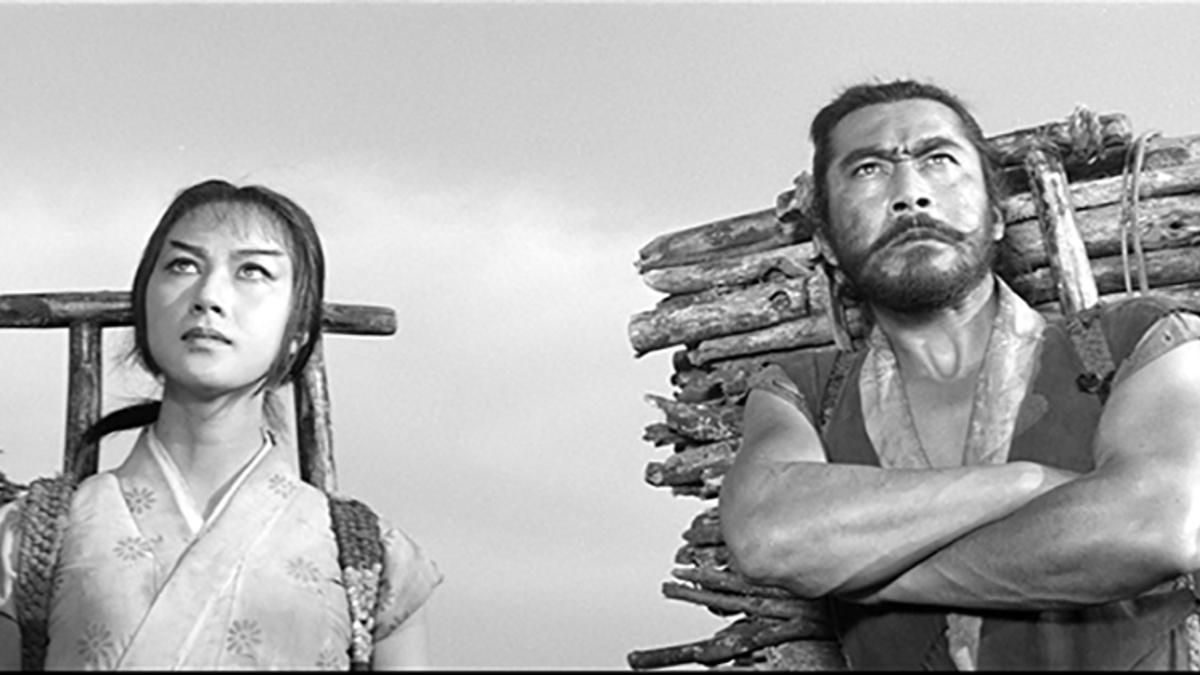

The Hidden Fortress (1958): Comedy, & Cinematic Innovation

marwaarsanios.info – The Hidden Fortress (1958), directed by Akira Kurosawa, is a cinematic adventure that blends action, humor, and profound themes of loyalty, honor, and human nature. One of the director’s most commercially successful films, The Hidden Fortress combines Kurosawa’s mastery of storytelling with a unique structure and a sense of adventure that has had a lasting influence on the world of cinema. While it is often regarded as one of Kurosawa’s more accessible works, The Hidden Fortress is also a film of considerable depth, tackling themes of social hierarchy, personal loyalty, and the clash between personal ambition and collective duty.

Set in feudal Japan, The Hidden Fortress follows the journey of two lowly peasants, Tahei (Toshiro Mifune) and Matashichi (Minoru Chiaki), who become involved in a dangerous quest to transport gold and a princess across enemy lines. As they accompany a general and his army on their mission, the film mixes adventure with comedy, while also exploring themes of leadership, bravery, and personal transformation. Its innovative use of point of view, particularly the peasants’ perspective, and its unforgettable characters make The Hidden Fortress an enduring classic.

Plot Overview: A Quest for Gold, Honor, and Survival

The story is set during Japan’s Warring States period, where two peasants, Tahei and Matashichi, find themselves in a desperate situation after being caught on opposite sides of a losing battle. After narrowly escaping capture, they hear of a large sum of gold hidden in a distant fortress, which is rumored to be guarded by a powerful general and his forces. The peasants, motivated by greed and the promise of wealth, set out on a perilous journey to find and steal the gold.

However, they soon find themselves caught up in a much larger and more dangerous mission. The gold is actually being carried by a general named Rokurota Makabe (Toshiro Mifune), who is secretly escorting a princess, Yuki (Misa Uehara), and her retinue across enemy territory. The general and the princess are on a mission to reunite with the remnants of their clan, and their journey is fraught with peril, as they are pursued by rival forces.

The peasants are unaware of the larger political struggle at play, and much of the film’s tension arises from the dramatic irony that we, the audience, know that the gold they seek is not as important as the more significant mission at hand. As the peasants become involved in the larger story, they are forced to reckon with the complex dynamics of loyalty, leadership, and survival.

The Central Characters: Peasants and Heroes

What distinguishes The Hidden Fortress is its focus on two seemingly insignificant characters, Tahei and Matashichi, who provide the film’s comedic and humanizing elements. Unlike traditional hero figures, the peasants are portrayed as greedy, self-interested, and far from heroic. Their primary motivation throughout the film is to secure the gold and escape with it, but their journey gradually reveals more about their characters and the broader themes of the story.

Tahei and Matashichi are portrayed as bumbling and somewhat cowardly, often bringing humor to the otherwise serious story. Their perspective on the events surrounding them is one of selfishness and survival, and this is where much of the comedy arises. The peasants’ point of view contrasts with the more noble and stoic figures of General Rokurota Makabe and Princess Yuki, who are embroiled in a much more significant political and emotional struggle. The peasants’ moral transformation over the course of the film is subtle but effective, as they gradually come to understand the larger stakes of their journey and the true meaning of honor and loyalty.

On the opposite end, General Rokurota Makabe is a stoic and capable leader who embodies the virtues of honor and duty. Though he is constantly under threat and faced with numerous challenges, his calm demeanor and strategic mind guide him through the most difficult of situations. Princess Yuki, though initially presented as a helpless figure, proves to be strong and resilient, playing a vital role in the unfolding of events. Their evolving relationships with the peasants serve to highlight the contrast between personal ambition and collective duty.

Themes: Honor, Loyalty, and the Human Condition

The Nature of Heroism

At its core, The Hidden Fortress is a film about heroism in all its forms. While the peasants are far from traditional heroes, they ultimately experience a form of redemption by learning the true meaning of loyalty and honor. Their arc reflects a broader theme of personal growth and the transformation that comes from engaging with the larger struggles of society.

On the other hand, the general and the princess represent a more traditional form of heroism—one defined by sacrifice, duty, and a commitment to a cause greater than oneself. While the peasants start out seeking gold for their own gain, the general and the princess are driven by the desire to preserve their clan and fight for a cause that transcends personal survival. This juxtaposition of self-interest and selflessness is central to the film’s exploration of the nature of heroism.

Loyalty and Sacrifice

The theme of loyalty is pervasive throughout The Hidden Fortress. The peasants, initially motivated by personal greed, eventually learn that true loyalty goes beyond self-interest. They are forced to choose between loyalty to their own desires and their loyalty to the princess and the general. As the film progresses, the characters’ development highlights the importance of self-sacrifice for the greater good. General Makabe and Princess Yuki’s unwavering commitment to their mission serves as a powerful example of the sacrifices that come with leadership and the responsibility to others.

For the peasants, their journey is a gradual realization that the quest for gold and personal glory is less important than the loyalty and bonds they form with others. The ultimate lesson they learn is that true heroism lies not in selfish pursuits but in the ability to rise above personal desire for the sake of something greater.

The Clash of Social Hierarchies

Another theme that is explored in The Hidden Fortress is the complex and often rigid social hierarchy in feudal Japan. The peasants, with their lowly status, represent the marginalized and disenfranchised members of society. In contrast, the general and the princess are from the noble class, their lives defined by duty, power, and responsibility. Throughout the film, the peasants are forced to interact with the nobility, and while their motivations and actions may seem petty, their role in the story reveals the ways in which the lower classes are affected by, and sometimes pivotal to, the larger events of history.

The film ultimately suggests that the social hierarchy is not as straightforward as it may appear. Through the peasants’ interaction with the aristocracy, The Hidden Fortress demonstrates how even the most ordinary people can have a significant impact on the world around them. The peasants’ eventual transformation into more noble figures highlights the possibility for personal growth and redemption, regardless of one’s social status.

Cinematic Innovation: Kurosawa’s Visual Mastery

Kurosawa’s direction in The Hidden Fortress is marked by innovative visual techniques that would later influence generations of filmmakers, most notably George Lucas in creating Star Wars. The film is structured in such a way that much of the narrative is experienced from the perspective of the two peasants. This point of view gives the film a fresh and humorous angle, allowing the audience to sympathize with the peasants’ motives while simultaneously engaging with the larger, more serious themes of the story.

One of the film’s most notable features is its use of framing and camera movement. Kurosawa employs wide shots to capture the grandeur of the landscapes and the scale of battle, while also using intimate close-ups to capture the emotions of his characters. The balance between the grand and the personal is key to the film’s impact, as it allows the audience to feel both the weight of the political struggle and the humor of the peasants’ antics.

Kurosawa’s mastery of action sequences is also on full display, particularly in the film’s many moments of suspense and combat. The action is dynamic, fast-paced, and exhilarating, contributing to the film’s sense of adventure. The pacing is expertly crafted, with the film moving between moments of tension, humor, and character development with seamless transitions.

Legacy and Influence: A Classic Adventure

The Hidden Fortress is a landmark film in Kurosawa’s career and a significant achievement in the history of Japanese cinema. Its influence extends far beyond Japan, inspiring filmmakers worldwide. Perhaps most famously, it had a profound impact on George Lucas, who cited the film as a primary inspiration for the creation of Star Wars. The structure of the two peasants’ point of view, along with the themes of loyalty, honor, and the classic adventure narrative, echoes throughout Lucas’s space opera.

The film’s blend of adventure, comedy, and drama has ensured that The Hidden Fortress remains a beloved classic. It is both a product of its time and a timeless exploration of human nature, making it relevant to audiences even decades after its release. Its combination of genre and serious themes sets it apart as one of the most innovative and influential films of the 20th century.

Conclusion: An Unforgettable Journey of Transformation

The Hidden Fortress (1958) is a captivating and multifaceted film that combines the best elements of action, comedy, and profound social commentary. Akira Kurosawa’s masterful direction, along with strong performances from Toshiro Mifune and the rest of the cast, creates a cinematic experience that is both entertaining and thought-provoking. The film’s exploration of heroism, loyalty, and social hierarchy ensures that it remains a classic of world cinema, while its influence on future filmmakers, including George Lucas, secures its place in the annals of cinematic history. Through its timeless themes and innovative storytelling, The Hidden Fortress continues to captivate and inspire audiences around the globe.

Boomers in the Workforce: Experience Meets Innovation

marwaarsanios.info – The modern workforce is a dynamic melting pot of diverse generations, each bringing unique perspectives, skills, and values. Among these generations, Baby Boomers—individuals born between 1946 and 1964—play a pivotal role. As they continue to work beyond traditional retirement age, the interaction between their wealth of experience and the innovative spirit of younger generations is shaping the future of work in profound ways.

The Value of Experience

Baby Boomers have witnessed and contributed to significant changes in the workplace over decades. Their experience encompasses a deep understanding of industry-specific trends, historical context, and organizational knowledge. This experience is invaluable in industries that require extensive expertise and a nuanced understanding of long-term market dynamics. Furthermore, Boomers often possess well-honed problem-solving skills and a strong work ethic, qualities that can enhance productivity and stability within teams.

Bridging the Generational Gap

Despite the wealth of experience Boomers bring, the rapid pace of technological advancement has sometimes led to a generational divide. However, this gap presents an opportunity for intergenerational collaboration. Young professionals, often more adept at leveraging new technologies and digital tools, can complement the experience of Boomers with innovative approaches to problem-solving and communication.

Organizations benefit when they foster an environment of mutual learning, where Boomers mentor younger colleagues, sharing insights and industry knowledge, while also remaining open to learning new skills and adapting to change.

The Role of Innovation

Innovation is the lifeblood of modern business, driving growth and competitive advantage. While younger generations may be at the forefront of technological innovation, Boomers contribute by applying their experience to ensure that innovations are practical and sustainable. They can offer critical insights into the feasibility of new ideas, helping to align innovative endeavors with organizational goals and customer needs.

Embracing Change

For Boomers, remaining relevant in the workforce often means embracing change and continuous learning. Many are taking advantage of professional development opportunities to update their skills, particularly in areas like digital literacy and remote work technology. This adaptability not only benefits their careers but also enriches the organizations they serve.

Conclusion

The intersection of experience and innovation in the workforce is a powerful catalyst for progress. By valuing the contributions of Boomers and facilitating cross-generational collaboration, organizations can harness the full potential of their teams. As the workforce continues to evolve, embracing the strengths of each generation will be key to achieving sustained success and resilience in the face of future challenges.

Australian Innovation Landscape: Research and Development

marwaarsanios.info – Australia’s innovation landscape is a vibrant and dynamic ecosystem that encompasses a wide range of activities, from cutting-edge research and development to the success of entrepreneurs and their businesses. This landscape is characterized by a blend of government support, academic excellence, and a growing startup culture. Understanding the key elements and trends within this ecosystem is essential for appreciating its potential and challenges.

Government Support and Policies

  1. Innovation Policies and Funding: The Australian government plays a crucial role in fostering innovation through various policies and funding initiatives. Programs like the Research and Development Tax Incentive and the Entrepreneurs’ Programme provide financial support and resources to businesses and researchers, encouraging them to innovate and commercialize their ideas .
  2. Innovation Precincts and Hubs: The establishment of innovation precincts and hubs across the country has created collaborative environments where startups, researchers, and industry professionals can work together. These spaces often provide access to state-of-the-art facilities, mentorship, and networking opportunities, facilitating the success of entrepreneurs and their businesses .

Academic Excellence and Research

  1. World-Class Research Institutions: Australia is home to several world-class research institutions and universities that are at the forefront of scientific and technological advancements. These institutions not only contribute to the global knowledge pool but also play a pivotal role in translating research into practical applications and commercial products .
  2. Collaboration Between Academia and Industry: The collaboration between academic institutions and industry is a hallmark of Australia’s innovation landscape. Such partnerships enable the exchange of knowledge, skills, and resources, leading to the development of innovative solutions to complex problems .

The Startup Ecosystem

  1. Growth of Startups and Scaleups: The Australian startup ecosystem has seen significant growth in recent years, with a focus on sectors such as fintech, healthtech, agritech, and cleantech. This growth is fueled by a combination of government support, venture capital investment, and a culture that celebrates entrepreneurship .
  2. Success Stories and Global Impact: Several Australian startups have achieved global success, demonstrating the potential of the local innovation landscape. Companies like Atlassian, Canva, and Afterpay have not only disrupted their respective industries but also inspired a new generation of entrepreneurs .

Challenges and Opportunities

  1. Talent Retention and Attraction: One of the key challenges facing the Australian innovation landscape is the retention and attraction of talent. The global competition for skilled workers in technology and research requires strategic efforts to ensure that Australia remains an attractive destination for top talent .
  2. Scaling Up Innovations: While Australia excels in generating innovative ideas and startups, scaling these businesses to become global leaders remains a challenge. This requires a supportive environment that facilitates access to capital, markets, and expertise .
  3. Digital Infrastructure and Connectivity: The development of a robust digital infrastructure is crucial for supporting innovation. Initiatives to improve broadband connectivity and digital literacy are essential for ensuring that all regions of Australia can participate in the digital economy .

Future Directions

  1. Focus on Emerging Technologies: Australia has the opportunity to focus on emerging technologies such as artificial intelligence, quantum computing, and biotechnology. Investing in these areas can position Australia as a leader in the global innovation landscape .
  2. International Collaboration: Engaging in international collaboration can open up new avenues for research, development, and commercialization. Partnerships with other countries can provide access to new markets, technologies, and talent .
  3. Sustainable Innovation: There is a growing emphasis on sustainable innovation, particularly in addressing climate change and environmental challenges. Australia can leverage its natural resources and innovative capabilities to develop sustainable solutions that benefit both the economy and the environment .

In conclusion, the Australian innovation landscape is a testament to the country’s commitment to fostering a culture of innovation and entrepreneurship. By addressing challenges and seizing opportunities, Australia can continue to drive economic growth, create jobs, and contribute to global innovation.