Laphet Thoke: A Unique Tea Leaf Salad – A Cultural Tapestry

marwaarsanios.info – Laphet Thoke, a unique and flavorful tea leaf salad, is a beloved dish in Myanmar. This vibrant salad is characterized by its tangy, slightly bitter, and slightly salty taste, which is balanced by a variety of crunchy and savory toppings.

A Symphony of Flavors

The star ingredient of Laphet Thoke is fermented tea leaves, which give the salad its signature flavor. These tea leaves are carefully fermented and then dried, resulting in a product that is both flavorful and nutritious.

To prepare Laphet Thoke, the fermented tea leaves are typically mixed with a variety of ingredients, including:

  • Toasted sesame seeds: These add a nutty flavor and a satisfying crunch.
  • Fried garlic: This aromatic ingredient adds a savory depth of flavor.
  • Dried chili flakes: These provide a spicy kick.
  • Pickled mustard greens: These tangy vegetables add a refreshing contrast to the rich flavors of the tea leaves.
  • Crushed peanuts: These add a nutty, crunchy texture.

The salad is often dressed with a simple dressing made from lime juice, fish sauce, and garlic. This dressing helps to balance the bitterness of the tea leaves and enhances the overall flavor of the dish.

A Cultural Tapestry

Laphet Thoke is deeply rooted in Myanmar’s cultural heritage and is often enjoyed as a snack or a side dish. It is particularly popular in the Shan State, where it is often served with other dishes, such as Shan noodles and mohinga.

The preparation of Laphet Thoke is a skill that is often passed down from generation to generation. It requires a delicate balance of flavors and textures, and the best versions of the dish are often made by experienced cooks who have honed their craft over many years.

A Global Culinary Sensation

In recent years, Laphet Thoke has gained international recognition, captivating the palates of food lovers around the world. Its unique flavor profile, its vibrant and colorful presentation, and its healthy ingredients have contributed to its growing popularity.

From renowned chefs incorporating Laphet Thoke into their menus to home cooks experimenting with their own versions, the dish has transcended borders and become a global culinary sensation.

A Recipe for the Soul

While the exact recipe for Laphet Thoke may vary, the essential elements remain the same: fermented tea leaves, a variety of savory toppings, and a simple dressing. The key to a truly authentic Laphet Thoke experience lies in the quality of the ingredients and the balance of flavors.

Whether you’re savoring a bowl of Laphet Thoke in a bustling street market in Myanmar or recreating the dish in your own kitchen, it is sure to transport you to the heart of Burmese culture, offering a taste of its unique and delicious cuisine.
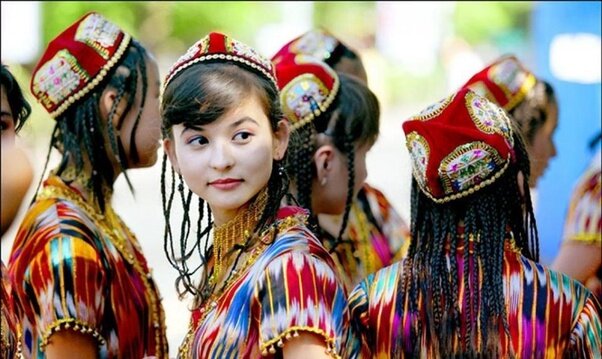
Cultural Diversity in the Heartland: China’s Minority Tribes

marwaarsanios.info – China, a vast country with a rich tapestry of history and culture, is home to not only the Han majority but also to 55 officially recognized ethnic minority groups. These minority tribes, scattered across the country’s vast landscape, contribute to the cultural diversity that enriches the nation’s heritage. From the snow-capped peaks of the Himalayas to the lush tropical forests of Yunnan, each tribe has its unique traditions, languages, and customs, making China a melting pot of ethnic diversity.

The Tapestry of Ethnic Diversity

China’s ethnic minority groups are as diverse as the country’s geography. The Zhuang, with a population of over 16 million, is the largest minority group, primarily residing in the Guangxi Zhuang Autonomous Region. Other significant groups include the Manchu, Hui, Miao, Uyghur, Yi, Tujia, Mongolian, Tibetan, and Buyi, among others. Each of these groups has its distinct language, dress, and cultural practices, contributing to the vibrant mosaic of Chinese society.

Preserving Cultural Heritage

In recent years, the Chinese government has taken steps to preserve the cultural heritage of these minority tribes. Autonomous regions, prefectures, and counties have been established to protect the rights and promote the cultures of these ethnic groups. Traditional festivals, such as the Mongolian Naadam, the Tibetan Losar, and the Dai Water-Splashing Festival, are celebrated with government support, allowing these traditions to flourish.

The Challenge of Modernization

Despite efforts to preserve their cultures, many minority tribes face challenges in the face of modernization and globalization. Younger generations may be more inclined to adopt mainstream Han culture, leading to a dilution of traditional practices. However, there is also a growing movement among these communities to revitalize their languages and customs, using technology and education to ensure their survival.

Tourism and Cultural Exchange

Tourism has become a significant factor in the lives of many minority tribes. Visitors from around the world are drawn to the unique cultures and traditions of these communities. While tourism can bring economic benefits, it also poses risks of cultural commodification. Balancing the needs of development with the preservation of cultural integrity is a delicate task for both the government and the tribes themselves.

Conclusion

China’s minority tribes are a testament to the country’s rich cultural diversity. Their resilience and vibrancy add depth to the nation’s identity, reminding us of the importance of preserving the world’s diverse cultures. As China continues to develop, the protection and celebration of these ethnic groups will be crucial in maintaining the country’s unique mosaic of traditions and heritage.