Richmond, Virginia: A City of History, Culture, & Southern Charm

marwaarsanios.info – Richmond, the capital of Virginia, is a city steeped in history, rich in culture, and known for its Southern hospitality. Located along the James River, Richmond offers a blend of historic landmarks, vibrant arts scenes, and a growing culinary landscape. With its deep historical roots in the American Revolution and Civil War, alongside its modern-day attractions, Richmond has something to offer everyone. Whether you’re a history enthusiast, an art lover, or someone looking to explore a dynamic city, Richmond has it all.

A City Shaped by History

Richmond’s historical significance cannot be overstated. As one of the oldest major cities in the United States, it played a pivotal role in both the American Revolution and the Civil War. The city served as the capital of the Confederate States of America during the Civil War, and many of its historical sites reflect this turbulent period.

The American Civil War Center at Historic Tredegar is a must-visit for anyone interested in understanding the Civil War’s impact on Richmond and the nation. The museum, located at the site of a former Confederate ironworks, offers exhibits on the war’s military, social, and political aspects.

The Virginia State Capitol, designed by Thomas Jefferson and completed in 1788, is another important historical landmark. Visitors can tour the Capitol building to see the chambers where the Virginia General Assembly meets and learn about the role the building played in American history.

Richmond’s Monument Avenue, a street lined with statues of Confederate leaders, also draws visitors interested in the city’s Civil War past. While the monuments have been a source of controversy, they remain a key part of Richmond’s historical landscape.

A Thriving Arts and Cultural Scene

Richmond is a city that celebrates creativity, with a thriving arts community and numerous cultural institutions. The Virginia Museum of Fine Arts (VMFA) is one of the city’s standout cultural attractions. With a vast collection that spans thousands of years and covers a wide range of artistic styles, from European and American art to African and contemporary works, the VMFA is a must-visit for art lovers.

For those interested in performing arts, the Carpenter Theatre at Dominion Energy Center is home to the Richmond Symphony and hosts Broadway shows, concerts, and other live performances. The city also boasts a lively music scene, with venues like The National and The Broadberry offering a variety of live music performances ranging from indie rock to country and everything in between.

The neighborhood of Scott’s Addition is an up-and-coming area for artists and creatives, with breweries, galleries, and street art contributing to its vibrant atmosphere. The First Fridays Art Walk is a popular monthly event where local artists open their studios, and galleries showcase their work, making it a great opportunity to explore the city’s artistic side.

A Growing Culinary Scene

Richmond’s culinary scene has flourished in recent years, earning the city a reputation as one of the best food cities in the South. The city’s diverse food offerings reflect its history, with a mix of Southern comfort food, farm-to-table dining, and international cuisine.

One of the standout dishes in Richmond is the classic Southern comfort food, such as fried chicken, biscuits, and collard greens. The city’s restaurants, like Mama J’s Kitchen, offer hearty meals that pay homage to the region’s culinary traditions. For those seeking a more modern dining experience, Richmond’s growing food scene features trendy spots like L’Opossum, known for its creative take on Southern classics, and The Roosevelt, which offers inventive dishes using locally sourced ingredients.

The city is also known for its vibrant craft beer scene, with a number of breweries offering unique beers brewed with local ingredients. Hardywood Park Craft Brewery and Ardent Craft Ales are two popular choices for those looking to sample Richmond’s best local brews. The city’s growing food truck culture also offers a wide variety of options for casual dining on the go, from gourmet tacos to Korean BBQ.

Outdoor Activities and Scenic Beauty

Richmond’s natural beauty and outdoor spaces are a significant part of the city’s appeal. The James River, which flows through the heart of the city, offers a range of outdoor activities, including kayaking, canoeing, and stand-up paddleboarding. The James River Park System, which spans over 600 acres, features scenic trails for hiking and biking, as well as spots for fishing and picnicking.

The city’s extensive park system provides plenty of opportunities to enjoy nature. Maymont Park, a 100-acre historic estate, features beautifully landscaped gardens, a Japanese garden, and a wildlife exhibit with native animals. The Lewis Ginter Botanical Garden is another beautiful destination, offering themed gardens, a conservatory, and a variety of seasonal events and programs.

Richmond’s proximity to the Blue Ridge Mountains and the Appalachian Trail makes it an ideal base for those who enjoy outdoor adventures like hiking, camping, and mountain biking. The surrounding natural beauty offers countless opportunities for exploration and relaxation.

A City for Families

Richmond is a family-friendly city with a wide range of activities and attractions for children and parents alike. The Children’s Museum of Richmond is a popular destination for families, with interactive exhibits designed to engage young minds in learning and play. The Virginia Holocaust Museum is another educational stop, offering exhibits that teach visitors about the history and lessons of the Holocaust.

Richmond also offers numerous family-friendly parks, including Byrd Park, which features a large lake for paddle boating, walking trails, and sports facilities. The city’s many outdoor festivals and events, such as the Richmond Folk Festival and the Virginia State Fair, provide family-friendly entertainment throughout the year.

A Growing Economy and Thriving Job Market

Richmond is a city with a robust economy and a growing job market. The city is a hub for industries such as finance, healthcare, education, and manufacturing. Several large companies have their headquarters in the city, including the insurance giant Genworth Financial and the healthcare provider Bon Secours Health System.

The city’s proximity to Washington, D.C., and its central location on the East Coast make it an attractive destination for businesses and professionals. The tech and startup scene in Richmond has also seen significant growth in recent years, with new ventures and incubators emerging to support innovation and entrepreneurship.

Conclusion

Richmond, Virginia, is a city that offers a rich blend of history, culture, and modern amenities. From its Civil War landmarks and historical significance to its growing arts scene, vibrant culinary culture, and abundance of outdoor activities, Richmond has something for everyone. With its welcoming atmosphere and strong sense of community, Richmond continues to evolve as one of the most exciting cities in the South. Whether you’re visiting for a weekend or looking to make Richmond your home, you’ll find a city that offers both charm and opportunity.

Wurstmarkt: A Wine Lover’s Paradise – A Rich History

marwaarsanios.info – Wurstmarkt, held annually in Bad Dürkheim, Germany, is one of the largest wine festivals in the world. This vibrant event offers a unique blend of wine tasting, cultural experiences, and festive celebrations.

A Rich History

The origins of Wurstmarkt can be traced back to the 15th century. Initially, it was a market for livestock and agricultural products. Over time, it evolved into a major wine festival, reflecting the region’s rich winemaking tradition.

A Wine Lover’s Dream

The heart of Wurstmarkt lies in its numerous wine tents, where visitors can sample a wide range of wines from the region. The Palatinate wine region, known for its diverse range of grape varieties, produces high-quality wines that are celebrated at the festival.

More Than Just Wine

While wine is the main attraction, Wurstmarkt offers much more. The festival grounds are filled with various attractions, including amusement park rides, traditional folk music and dance performances, and a bustling market.

A Culinary Delight

In addition to wine, Wurstmarkt also boasts a diverse culinary scene. Visitors can indulge in a variety of local delicacies, such as sausages, grilled meats, and hearty stews. The festive atmosphere, combined with the delicious food and drink, creates a truly unforgettable experience.

A Cultural Experience

Wurstmarkt is not just a celebration of wine; it’s also a cultural event that showcases the traditions and customs of the region. Traditional costumes, folk music, and historical reenactments add to the festive atmosphere.

A Memorable Experience

Whether you’re a wine connoisseur or simply looking for a fun-filled weekend, Wurstmarkt offers something for everyone. The combination of delicious wine, great food, and lively entertainment makes it a must-visit event for anyone traveling to Germany.

Vanuatu: History, People, and Location

marwaarsanios.info – Vanuatu, a Pacific island nation, is known for its rich cultural diversity and stunning natural landscapes. Located in the South Pacific Ocean, northeast of Australia, Vanuatu consists of approximately 83 islands, offering a mix of rugged terrain, volcanic mountains, and coral reefs.

History

The history of Vanuatu is marked by its diverse cultural influences and colonial past. The earliest settlers, the Lapita people, arrived around 3,000 years ago, bringing with them a distinctive pottery style and a seafaring culture. European contact began in the 17th century, with explorers such as Pedro Fernández de Quirós and Captain James Cook visiting the islands.

In the late 19th century, both the British and French established colonial interests in the region, leading to the unique Anglo-French Condominium of the New Hebrides, which was established in 1906. This dual administration lasted until Vanuatu gained independence in 1980, becoming a member of the Commonwealth of Nations.

People

Vanuatu’s population is made up of a diverse mix of ethnic groups, predominantly Melanesian, with a small percentage of Polynesians, Europeans, and Asians. The country is home to over 100 languages, reflecting its cultural diversity. Bislama, a creole language, serves as the lingua franca, while English and French are also official languages.

The Ni-Vanuatu, as the indigenous people are known, maintain a strong connection to their traditional customs and practices, known as “kastom.” These traditions play a crucial role in daily life and community governance, and they are celebrated through music, dance, and ceremonies.

Location and Geography

Vanuatu is located in the southwestern Pacific Ocean, approximately 1,750 kilometers east of northern Australia. The archipelago stretches over 1,300 kilometers and consists of a chain of islands of volcanic origin. The largest islands include Espiritu Santo, Malakula, and Efate, which is home to the capital city, Port Vila.

The country is part of the Pacific Ring of Fire, with frequent volcanic activity and earthquakes. Vanuatu’s diverse ecosystems range from lush rainforests and fertile agricultural lands to pristine beaches and vibrant coral reefs, making it a popular destination for eco-tourism and adventure activities.

Conclusion

Vanuatu’s unique blend of history, people, and geography make it a fascinating and vibrant nation. Its rich cultural heritage, coupled with its stunning natural beauty, offers a captivating experience for visitors and a strong sense of identity for its inhabitants. As Vanuatu continues to navigate the challenges of modernization and climate change, it remains a testament to the resilience and diversity of the Pacific islands.

Timeline: A History of Qatar Football

marwaarsanios.info – The journey of Qatar football is a fascinating narrative of growth, ambition, and success on the international stage. From its early beginnings to becoming a powerhouse in Asian football, Qatar’s football history is marked by significant milestones and achievements. Here is a timeline that captures the key moments in the evolution of Qatar football:

Early Beginnings (1950s-1960s)

  • 1950s: The first recorded football matches in Qatar were played informally among local expatriate communities.
  • 1960: The Qatar Football Association (QFA) was established, marking the formal beginning of organized football in the country.
  • 1963: Qatar joined FIFA, the international governing body of association football.

Formative Years (1970s-1980s)

  • 1972: Qatar hosted the 5th Arabian Gulf Cup, its first major international tournament, and finished in third place.
  • 1976: Qatar participated in the Asian Cup for the first time, held in Iran, and reached the quarter-finals.
  • 1980: Qatar hosted the Asian Cup for the first time and finished in fourth place.
  • 1984: Qatar won the Arabian Gulf Cup for the first time, signaling its growing football prowess in the region.

Rise to Prominence (1990s-2000s)

  • 1992: Qatar won the Arabian Gulf Cup for the second time, solidifying its status as a regional powerhouse.
  • 2000: Qatar reached the semi-finals of the Asian Cup, held in Lebanon, showcasing its continued competitiveness on the continental stage.
  • 2004: Qatar hosted the 13th Asian Games and won the men’s football tournament, a significant achievement for the nation.

Breakthrough and Success (2010s-2020s)

  • 2011: Qatar won the Arabian Gulf Cup for the third time, further cementing its dominance in the region.
  • 2019: Qatar made history by winning the Asian Cup for the first time, held in the United Arab Emirates. The team’s performance was exceptional, and they defeated Japan 3-1 in the final.
  • 2021: Qatar participated in the Copa America, a first for a West Asian nation, showcasing its ambition to compete on a global stage beyond Asia.
  • 2022: Qatar hosted the FIFA World Cup, becoming the first Arab country to do so. Despite not advancing past the group stage, the tournament was a landmark event that showcased the nation’s football infrastructure and capabilities.

Recent Achievements and Future Ambitions

  • 2023: Qatar continues to invest in youth development, infrastructure, and international competitions, aiming to sustain its success and further elevate its status in world football.

The history of Qatar football is a testament to the nation’s dedication and investment in the sport. From humble beginnings to achieving significant milestones on the international stage, Qatar’s football journey is one of ambition, perseverance, and success. As the nation looks to the future, it aims to build on its achievements and continue to make an impact on the global football landscape.

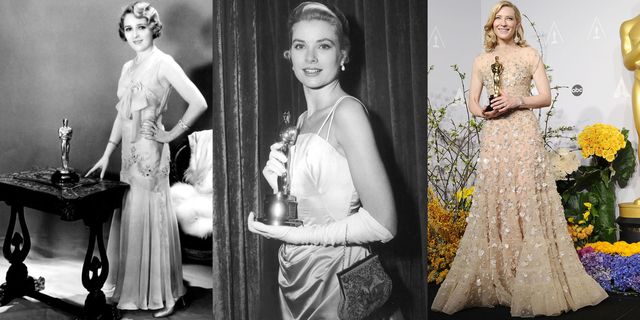
Visual History: Oscars Fashion Through the Decades

marwaarsanios.info – The Oscars, officially known as the Academy Awards, is not just a celebration of cinematic excellence but also a grand showcase of fashion and style. Over the years, the red carpet has become a runway for the world’s most talented designers and their celebrity muses. From the glamorous gowns of the 1940s to the bold statements of the 2000s, the evolution of Oscars fashion is a fascinating journey through the decades.

The Golden Age: 1940s and 1950s

During the Golden Age of Hollywood, the Oscars were a testament to elegance and sophistication. Actresses like Joan Crawford and Grace Kelly graced the red carpet in flowing gowns with intricate details, cinched waists, and dramatic trains. The fashion of this era was heavily influenced by the film industry itself, with designers like Edith Head creating custom pieces that would become iconic.

The Swinging Sixties

The 1960s brought a wave of change to the Oscars red carpet. As fashion became more daring and experimental, so did the choices of the stars. Mini skirts, bold colors, and geometric patterns made their debut, reflecting the vibrant cultural scene of the decade. Audrey Hepburn and Elizabeth Taylor were among the trendsetters, each with their distinct style that captured the essence of the sixties.

The Glam Rock and Disco Era: 1970s

The 1970s were all about glam rock and disco, and the Oscars were no exception. Sequins, platform shoes, and wide-legged trousers were the order of the day. This was also the era of the jumpsuit, with stars like Cher and Barbra Streisand redefining what it meant to be fashion-forward at an awards show.

The Power of the Eighties

The 1980s were characterized by power dressing, and the Oscars were a prime example of this trend. Big hair, shoulder pads, and metallic fabrics dominated the red carpet. Stars like Madonna and Cher continued to push the boundaries of fashion, making bold statements that would be remembered for years to come.

The Grunge and Glamour of the Nineties

The 1990s saw a shift towards minimalism and grunge, but the Oscars remained a bastion of glamour. The decade was marked by the rise of supermodels and the influence of high fashion on the red carpet. Iconic moments included Gwyneth Paltrow’s pink Ralph Lauren gown and Julia Roberts’s vintage Chanel.

The New Millennium: 2000s

The 2000s were all about individuality and self-expression. Celebrities began to take more risks, with fashion becoming an extension of their personal brand. The decade saw the rise of the “naked dress” trend, with stars like Jennifer Lopez and Halle Berry making headlines for their daring choices.

The Modern Era: 2010s to Present

In recent years, the Oscars have become a platform for social and political statements through fashion. Celebrities have used the red carpet to support causes, from gender equality to sustainability in fashion. The #MeToo and Time’s Up movements have also had a significant impact, with many stars choosing to wear black in solidarity.

As we look back at the history of Oscars fashion, it’s clear that the red carpet has always been more than just a parade of pretty dresses. It’s a reflection of the times, a showcase for creativity, and a powerful tool for change. Whether it’s a classic gown from the 1940s or a modern statement piece, each decade has left its mark on the annals of fashion history.