Islam, Christianity, and Beyond: Albania’s Religious Diversity

marwaarsanios.info – Albania, a small country nestled in the Balkan Peninsula, has a rich tapestry of religious diversity that is both fascinating and unique. Unlike many of its neighbors, Albania’s religious landscape is not dominated by a single faith but is instead characterized by a harmonious coexistence of Islam and Christianity, with a sprinkling of other beliefs. This article explores the historical context, current religious demographics, and the societal implications of Albania’s religious diversity.

Historical Context

Albania’s religious diversity is deeply rooted in its history. The country was predominantly Christian until the Ottoman conquest in the 15th century, which introduced Islam. Over the centuries, both religions have left their mark on Albanian culture and society. The country’s strategic location between Europe and Asia has also made it a crossroads for various religious influences.

Religious Demographics

Today, Albania’s population is roughly divided between Muslims and Christians, with a small percentage adhering to other beliefs or declaring themselves non-religious. The Muslim community is further divided between Sunni and Bektashi, a Sufi order with significant differences in practices and beliefs from mainstream Sunni Islam. Christians in Albania are primarily Orthodox, with a smaller number of Roman Catholics.

The Bektashi Influence

The Bektashi order, recognized as a distinct faith in Albania, has played a crucial role in the country’s religious landscape. It has been associated with Albanian nationalism and has a unique set of rituals and beliefs that incorporate elements of Christianity and local traditions. The Bektashi community has been particularly influential in the southern part of the country.

Interfaith Harmony

One of the most striking aspects of Albania’s religious diversity is the level of interfaith harmony. Despite the country’s tumultuous history, including a period of state-enforced atheism under the communist regime, Albanians have generally managed to coexist peacefully across religious lines. This is exemplified by the common practice of families celebrating both Christian and Muslim holidays, and the presence of Christian and Muslim symbols side by side in public and private spaces.

The Role of Religion in Society

Religion in Albania is often seen as a personal matter, with a low level of religious observance compared to other countries in the region. This secular approach to religion has been encouraged by the government, which promotes a policy of religious neutrality. However, religious communities continue to play an important role in Albanian society, contributing to cultural events, education, and social welfare.

Challenges and Opportunities

While Albania’s religious diversity is a source of pride, it also presents challenges. The country is working to address issues such as the restoration of religious properties damaged during the communist era and the integration of religious education into the school curriculum in a way that respects the country’s pluralistic values. Additionally, Albania’s experience with religious tolerance offers valuable lessons for other countries grappling with religious diversity and conflict.

Conclusion

Albania’s religious diversity is a testament to the country’s rich history and the resilience of its people. The coexistence of Islam and Christianity, alongside other beliefs, is a unique feature of Albanian society that contributes to the country’s cultural richness. As Albania continues to navigate the complexities of modern life, its tradition of religious tolerance remains a beacon of hope and a model for peaceful coexistence in a diverse world.
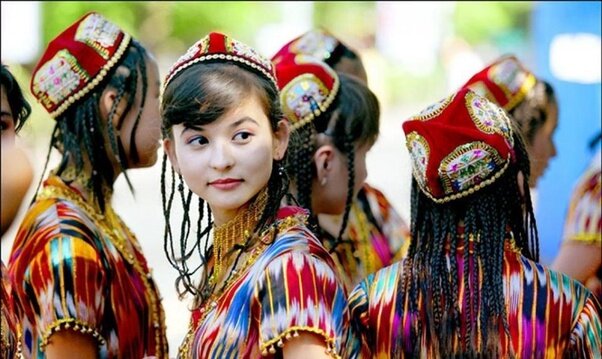
Cultural Diversity in the Heartland: China’s Minority Tribes

marwaarsanios.info – China, a vast country with a rich tapestry of history and culture, is home to not only the Han majority but also to 55 officially recognized ethnic minority groups. These minority tribes, scattered across the country’s vast landscape, contribute to the cultural diversity that enriches the nation’s heritage. From the snow-capped peaks of the Himalayas to the lush tropical forests of Yunnan, each tribe has its unique traditions, languages, and customs, making China a melting pot of ethnic diversity.

The Tapestry of Ethnic Diversity

China’s ethnic minority groups are as diverse as the country’s geography. The Zhuang, with a population of over 16 million, is the largest minority group, primarily residing in the Guangxi Zhuang Autonomous Region. Other significant groups include the Manchu, Hui, Miao, Uyghur, Yi, Tujia, Mongolian, Tibetan, and Buyi, among others. Each of these groups has its distinct language, dress, and cultural practices, contributing to the vibrant mosaic of Chinese society.

Preserving Cultural Heritage

In recent years, the Chinese government has taken steps to preserve the cultural heritage of these minority tribes. Autonomous regions, prefectures, and counties have been established to protect the rights and promote the cultures of these ethnic groups. Traditional festivals, such as the Mongolian Naadam, the Tibetan Losar, and the Dai Water-Splashing Festival, are celebrated with government support, allowing these traditions to flourish.

The Challenge of Modernization

Despite efforts to preserve their cultures, many minority tribes face challenges in the face of modernization and globalization. Younger generations may be more inclined to adopt mainstream Han culture, leading to a dilution of traditional practices. However, there is also a growing movement among these communities to revitalize their languages and customs, using technology and education to ensure their survival.

Tourism and Cultural Exchange

Tourism has become a significant factor in the lives of many minority tribes. Visitors from around the world are drawn to the unique cultures and traditions of these communities. While tourism can bring economic benefits, it also poses risks of cultural commodification. Balancing the needs of development with the preservation of cultural integrity is a delicate task for both the government and the tribes themselves.

Conclusion

China’s minority tribes are a testament to the country’s rich cultural diversity. Their resilience and vibrancy add depth to the nation’s identity, reminding us of the importance of preserving the world’s diverse cultures. As China continues to develop, the protection and celebration of these ethnic groups will be crucial in maintaining the country’s unique mosaic of traditions and heritage.

Celebrating Diversity and Tradition: Australian Festivals

marwaarsanios.info – Australia, a country known for its vibrant culture, stunning landscapes, and welcoming spirit, is also renowned for its rich tapestry of festivals that celebrate both its indigenous heritage and the diversity brought by its multicultural population. These festivals are not just events; they are expressions of the nation’s soul, showcasing its traditions, arts, music, food, and the unique blend of cultures that make Australia what it is today. From the ancient traditions of the Aboriginal and Torres Strait Islander peoples to the celebrations of the diverse communities that have made Australia their home, these festivals are a testament to the country’s inclusive and celebratory nature.

Indigenous Celebrations: Honoring the First Australians

The indigenous festivals in Australia are deeply rooted in the traditions and spiritual beliefs of the Aboriginal and Torres Strait Islander peoples, who have lived on the continent for over 65,000 years. One of the most significant events is the Garma Festival, held in northeast Arnhem Land. This festival is a celebration of Yolngu culture, offering workshops, yidaki (didgeridoo) concerts, and cultural dialogues, providing a unique opportunity for visitors to learn about and experience the rich cultural heritage of the Yolngu people.

Another significant event is the Laura Aboriginal Dance Festival, held in the small community of Laura in Far North Queensland. This festival showcases the dance, song, and culture of Aboriginal peoples from across Cape York and is a powerful display of cultural resilience and pride.

Multicultural Festivals: Embracing Diversity

Australia’s multicultural festivals are a reflection of its diverse population, with events celebrating the traditions and cultures of communities from all over the world. The Sydney Gay and Lesbian Mardi Gras, for example, is not only a celebration of LGBTQ+ culture but also an event that has become an integral part of Australia’s cultural landscape, drawing millions of visitors each year.

The Melbourne International Film Festival is another highlight, showcasing films from around the globe and providing a platform for Australian filmmakers to share their stories with the world. This festival is a testament to the country’s love for the arts and its role in fostering cultural exchange.

Food and Wine: A Culinary Journey

Australia’s love for food and wine is celebrated in numerous festivals across the country. The Tasting Australia festival in Adelaide is a celebration of South Australia’s culinary scene, offering a range of events from long lunches and dinners to cooking classes and wine tastings. It’s a showcase of the region’s produce and the talent of its chefs and winemakers.

The Melbourne Food and Wine Festival is another highlight, offering a program that includes everything from masterclasses and wine tastings to gourmet picnics and street food events. This festival is a celebration of Melbourne’s reputation as a foodie paradise and its diverse culinary influences.

Music and Arts: A Cultural Symphony

Music and arts festivals are a cornerstone of Australia’s cultural calendar, offering a platform for local and international artists to showcase their talents. The Sydney Festival, held in January each year, is a celebration of the arts, featuring theater, dance, music, and visual arts. It’s a celebration of creativity and diversity, with events that cater to all tastes and ages.

The Byron Bay Bluesfest is a highlight on the music festival calendar, attracting some of the biggest names in blues and roots music from around the world. Held over the Easter long weekend, it’s a celebration of music, community, and the laid-back lifestyle of the Byron Bay region.

Conclusion

Australian festivals are more than just events; they are a reflection of the country’s rich cultural heritage, its diversity, and its spirit of inclusivity. From indigenous celebrations to multicultural festivals, food and wine events to music and arts gatherings, these festivals offer something for everyone. They are a testament to Australia’s ability to celebrate its traditions while embracing the diverse cultures that make it such a unique and vibrant country. Whether you’re a local or a visitor, participating in these festivals is a wonderful way to experience the heart and soul of Australia.