Kat Von D Saint & Sinner Eyeshadow Palette: Versatile Shades

marwaarsanios.info – The Kat Von D Saint & Sinner Eyeshadow Palette is an iconic and artistic makeup collection that blends a combination of light and dark shades, inspired by the duality of good and evil. This palette features an exquisite array of rich, highly-pigmented hues ranging from soft, angelic tones to deep, rebellious colors. It’s perfect for makeup enthusiasts who love to create a wide variety of eye looks — from ethereal, glowing creations to sultry, dramatic styles.

A Stunning Fusion of Light and Dark Shades

The Saint & Sinner Eyeshadow Palette is divided into two sections: “Saint” for softer, lighter tones that evoke purity, and “Sinner” for bold, darker shades that embody the more rebellious side. This juxtaposition makes the palette uniquely versatile, allowing you to create everything from delicate, angelic looks to fierce, intense eyeshadow styles.

  • Saint (Light Tones): The “Saint” side features a selection of soft, ethereal shades that are perfect for creating fresh, glowing eye makeup. This section includes light neutral mattes, warm golds, soft peaches, and delicate shimmers that provide the ideal base for a subtle daytime look. These shades are perfect for creating a soft, romantic eye that’s perfect for everyday wear or a gentle, luminous evening look.
  • Sinner (Dark Tones): The “Sinner” side is where the palette shines with bold, intense hues such as deep burgundies, rich purples, smoky blacks, and jewel-toned blues. These shades are designed for creating edgy, dramatic eye makeup. Whether you’re looking for a smoky eye or want to add depth and intensity to your look, the “Sinner” side gives you all the tools you need to make a bold statement.

This dual-themed palette offers endless possibilities for creating diverse eye looks that are both playful and intense, making it a must-have for anyone who loves experimenting with color.

Rich Pigmentation for a Striking Finish

The Saint & Sinner Palette is known for its vibrant, high-pigment formula, ensuring that each shadow delivers an intense color payoff. The light tones on the “Saint” side provide soft, buildable coverage that’s perfect for a delicate wash of color, while the darker shades on the “Sinner” side offer bold, dramatic finishes that stand out with each application.

The intense pigmentation allows you to layer the colors easily to create a variety of looks, whether you’re going for something soft and natural or intense and sultry. You can build the color to your desired intensity, allowing you to create everything from soft transitions to full-on dramatic eye makeup.

Smooth, Blendable Formula for Easy Application

One of the standout features of the Kat Von D Saint & Sinner Eyeshadow Palette is its creamy, blendable formula. The shadows glide on effortlessly, whether you’re working with matte or shimmer finishes, and they blend seamlessly into the skin without patchiness. The matte shades are rich and smooth, perfect for creating defined creases, while the shimmer shades provide a beautiful, reflective finish.

The palette’s buttery texture ensures that every color applies smoothly, and the shadows stay in place throughout the day. Whether you’re blending the soft, angelic tones on the “Saint” side or intensifying the deep, dramatic shades on the “Sinner” side, the blendability of the palette makes it easy to achieve a flawless, professional-looking eye makeup finish.

Versatile Looks for Day and Night

The Saint & Sinner Palette offers incredible versatility, allowing you to create a wide range of looks for any occasion. Whether you’re in the mood for something light and angelic or dark and seductive, this palette has you covered.

For a soft, daytime look, you can use the delicate matte and shimmer shades from the “Saint” side to create a natural, glowing look that enhances your eyes with warmth and radiance. The soft peaches, neutral tones, and shimmering highlights can be blended for a beautiful, light-catching effect.

For a more intense, evening look, the “Sinner” side is perfect for crafting dramatic, smokey eyes. You can use the deep purples, blues, and blacks to create a sultry, dark eye makeup look, adding dimension with the shimmery metallics or using the matte shades for depth and definition.

Whether you’re creating a classic everyday eye or a bold, evening statement look, the Saint & Sinner Palette allows you to experiment with both light and dark shades to bring out your inner angel or rebel.

Elegant, Travel-Friendly Packaging

The Saint & Sinner Palette comes in an elegant, artistic case that reflects the theme of the palette. The striking, gothic-inspired design adds a touch of luxury to your makeup collection. The compact, sturdy packaging is perfect for travel, allowing you to take your favorite eye looks on the go without sacrificing style or quality.

The palette also features a large mirror for easy, on-the-go application, making it perfect for touch-ups throughout the day or while traveling.

Long-Wearing, Smudge-Proof Formula

The high-quality formula of the Saint & Sinner Palette ensures that your eye makeup stays vibrant and fresh all day long. The shadows are designed to resist fading and creasing, giving you a long-lasting, smudge-proof finish that will last from day to night.

Whether you’re wearing the light tones for a soft, luminous look or the bold, dark shades for a sultry eye, you can trust that the Saint & Sinner Palette will keep your eye makeup in place for hours without needing constant touch-ups.

Cruelty-Free and Vegan

As with all Kat Von D Beauty products, the Saint & Sinner Eyeshadow Palette is 100% cruelty-free and vegan. Kat Von D has committed to producing makeup products that are not tested on animals, so you can feel confident about your ethical beauty choices when using this palette.

Conclusion: Dual Beauty for Every Mood and Style

The Kat Von D Saint & Sinner Eyeshadow Palette is a stunningly versatile, high-quality palette that delivers bold color, rich pigmentation, and smooth blendability. Whether you’re feeling angelic and soft or rebellious and daring, the Saint & Sinner Palette provides the perfect shades to create a wide range of eye-catching looks. Its dual-themed design allows you to experiment with both light and dark tones, giving you everything you need for any occasion. With its luxurious packaging, long-wearing formula, and cruelty-free credentials, the Saint & Sinner Eyeshadow Palette is a must-have addition to your makeup collection.
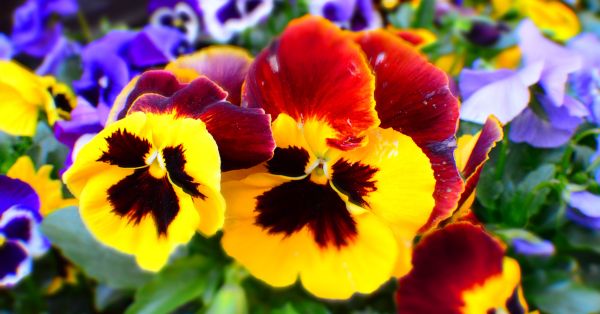
Wild Pansy Flower: A Delicate & Resilient Beauty of the Wild

marwaarsanios.info – The Wild Pansy (Viola tricolor), also known as the Heartsease, is a small, vibrant flower native to Europe and parts of Asia. Celebrated for its delicate, multi-colored petals and resilience in diverse environments, the Wild Pansy has earned its place as a beloved wildflower and a symbol of natural beauty. With its cheerful blooms and adaptability, this flower thrives in various habitats, including fields, meadows, and even cracks in pavements. Often regarded as a symbol of love, admiration, and remembrance, the Wild Pansy is more than just a pretty flower—it’s an enduring symbol of nature’s elegance and resilience.

Appearance and Characteristics

The Wild Pansy is a low-growing, herbaceous perennial that typically reaches a height of 6 to 12 inches (15 to 30 cm). Its heart-shaped leaves are dark green and often have slightly jagged edges. The plant produces striking, five-petaled flowers that are usually a combination of purple, yellow, white, and blue, with distinct dark markings at the center. These vivid colors make the flower easily recognizable and give it a cheerful, whimsical appearance. The petals are typically arranged in such a way that the flower appears to “smile,” with the lower petal forming a “mouth” and the upper petals forming the “eyes.”

The Wild Pansy blooms primarily in the spring and early summer, producing flowers that attract a variety of pollinators, including bees, butterflies, and other insects. The blooms are usually about 1 to 2 inches (2.5 to 5 cm) across and appear in clusters at the top of the plant. After blooming, the plant produces small seed pods that contain the seeds, which can easily spread in the wind or by other natural means.

Habitat and Distribution

The Wild Pansy is native to the temperate regions of Europe and Asia but has also become widely naturalized in North America and other parts of the world. It prefers well-drained, slightly acidic to neutral soils and thrives in areas with ample sunlight. Wild Pansies can be found in a variety of habitats, including meadows, grasslands, woodland edges, and road verges. It is also common in disturbed areas, such as farmland and garden beds, where the plant’s seeds may have been introduced.

Due to its hardiness and ability to adapt to different growing conditions, the Wild Pansy can often be found growing in unexpected places, such as along the edges of trails or in cracks in pavement. This adaptability to a wide range of environments has contributed to its success as a wildflower in many regions.

Ecological Importance

The Wild Pansy plays an important role in local ecosystems, primarily by attracting pollinators. Its colorful flowers and sweet nectar are particularly attractive to bees and butterflies, which help ensure the plant’s continued reproduction. As a member of the Viola genus, which includes other well-known plants like the garden pansy, the Wild Pansy is an essential part of many ecosystems, supporting biodiversity by providing a food source for pollinators.

Additionally, the Wild Pansy is a host plant for certain species of butterflies, such as the Common Blue (Polyommatus icarus) and the Pansy Butterfly (Junonia almana), which lay their eggs on the leaves of the plant. Once hatched, the caterpillars feed on the leaves, completing their life cycle.

Because of its wide distribution and ability to grow in a variety of environments, the Wild Pansy also contributes to soil stabilization in areas that are prone to erosion, such as embankments and bare soil patches. This resilience makes it an important plant for maintaining ecosystem health.

Growing and Caring for Wild Pansy

The Wild Pansy is an easy-to-grow flower that thrives in many garden environments. It is well-suited for wildflower gardens, rock gardens, and even container plantings. If you are interested in cultivating Wild Pansy flowers in your garden, here are some essential tips for care:

  1. Light: Wild Pansies prefer full sun to partial shade. They will bloom most profusely in sunny locations but can tolerate some light shade, especially in hotter climates. A spot that receives 4 to 6 hours of sunlight each day is ideal.
  2. Soil: Wild Pansies prefer well-drained, slightly acidic to neutral soil. They will grow in a variety of soil types but do best in soils that are not too rich or overly fertile. It is important to ensure the soil does not retain too much moisture, as this can cause the plant to become susceptible to rot.
  3. Watering: While Wild Pansies are fairly drought-tolerant once established, they benefit from regular watering during dry spells, particularly when they are actively blooming. Water the plant at the base, being careful not to wet the leaves or flowers, as this can lead to fungal diseases.
  4. Temperature and Climate: Wild Pansies are hardy plants that can tolerate a range of temperatures. They are typically hardy in USDA zones 4 to 9, meaning they can survive cold winters in most temperate climates. In warmer climates, they may act as annuals, while in cooler regions, they are more likely to behave as perennials.
  5. Propagation: Wild Pansies can be propagated from seed or by dividing established plants. To propagate by seed, simply sow the seeds in early spring or late fall in a cold frame or greenhouse. The seeds will often germinate without much fuss, as long as they are kept in a cool, moist environment. If propagating by division, dig up an established plant and separate the root clumps into smaller sections before replanting.
  6. Pruning: Deadheading spent flowers can help encourage new blooms and keep the plant looking tidy. Wild Pansies do not require much pruning, but cutting back any leggy or overgrown stems will help maintain their shape and promote healthy growth.

Medicinal and Cultural Significance

The Wild Pansy has been used for medicinal purposes for centuries, particularly in traditional herbal medicine. It is thought to have mild anti-inflammatory and soothing properties and has been used to treat conditions such as skin irritations, coughs, and sore throats. While it is not commonly used in modern herbalism, the plant’s long history of medicinal use demonstrates its value in traditional remedies.

In addition to its medicinal properties, the Wild Pansy is rich in symbolism. The flower is often associated with love, admiration, and remembrance, making it a popular flower in bouquets and floral arrangements. In the language of flowers, also known as floriography, the Wild Pansy is often used to convey messages of affection and loyalty.

The Wild Pansy also has literary significance and has been featured in works of art, poetry, and folklore. Its vibrant colors and delicate form have inspired artists and writers for centuries, further solidifying its place in cultural history.

Conclusion

The Wild Pansy is a small but mighty flower, beloved for its cheerful blooms, resilience, and cultural significance. Whether growing in the wild or cultivated in gardens, this flower adds a touch of beauty to any landscape. With its ease of care, ecological benefits, and vibrant, multi-colored flowers, the Wild Pansy is a wonderful addition to any garden or natural space. Its historical and symbolic meanings also add depth and richness to its appeal, making it a flower that continues to inspire admiration and love.

Climbing Rose: The Timeless Beauty of Vertical Floral Elegance

marwaarsanios.info – The Climbing Rose is a beloved flowering shrub that adds a touch of romance and elegance to any garden or landscape. Known for its ability to climb walls, fences, trellises, and arbors, the climbing rose creates dramatic vertical displays of color and fragrance. With its vigorous growth and stunning blooms, this climbing variety of the rose is a favorite among gardeners looking to add both beauty and structure to their outdoor spaces. Whether cascading over a trellis or adorning a garden arch, climbing roses offer a timeless and classic charm that is hard to resist.

Botanical Description

Climbing roses belong to the Rosaceae family and are a group of roses characterized by their long, arching canes that can grow 8 to 20 feet or more, depending on the variety. These roses produce a profusion of flowers in a variety of colors, including red, pink, white, yellow, and purple, with many varieties displaying rich fragrances. The blooms can range from small, single-petal flowers to large, multi-petaled blooms, often resembling the classic hybrid tea rose in form.

The foliage of climbing roses is typically deep green, with a glossy finish, and the plant can produce clusters or individual flowers, depending on the variety. Some climbing roses bloom only once during the season, while others are repeat bloomers, flowering multiple times from late spring to fall.

The stems of climbing roses are flexible but strong enough to support their weight as they grow, and they usually require some form of support to keep them upright. The thorns on climbing roses are also more prominent than on bush-type roses, which gives them a rugged, textured appearance.

Habitat and Growth Conditions

Climbing roses thrive in USDA hardiness zones 5 to 9 and prefer well-drained, fertile soil. They require full sun—at least 6 hours per day—to produce the best blooms, although they can tolerate some afternoon shade in hotter climates. The soil should be slightly acidic to neutral, with a pH range of 6.0 to 6.5. Good air circulation around the plant is important to prevent fungal diseases, so spacing the plants appropriately is essential.

These roses are adaptable to various growing conditions but are best suited for areas that receive consistent moisture, especially during the growing season. However, they do not like to sit in wet soil, and good drainage is necessary to avoid root rot. Mulching around the base of the plant helps retain moisture, regulate temperature, and suppress weeds.

Cultivation and Care

Caring for climbing roses requires some attention to detail, but with the right care, they can thrive and bloom abundantly for many years. Here are the key steps for growing and maintaining climbing roses:

  1. Planting: When planting climbing roses, choose a location with ample sunlight and good air circulation. Dig a hole that is large enough to accommodate the root system and add organic matter like compost to enrich the soil. Plant the rose slightly deeper than it was in the pot, ensuring the graft union is at soil level.
  2. Support Structures: As climbing roses require support, it is important to provide sturdy structures such as trellises, fences, or arbors. Make sure the support is strong enough to withstand the weight of the growing plant. As the rose climbs, gently tie the canes to the support with soft ties, being careful not to damage the stems.
  3. Watering: Climbing roses need regular watering, especially during dry periods. Water deeply at the base of the plant to encourage deep root growth. Avoid overhead watering to keep the foliage dry, which can help prevent fungal infections. Watering early in the day allows the leaves to dry out before nightfall.
  4. Fertilizing: Fertilizing climbing roses is important for promoting strong growth and abundant blooms. A balanced, slow-release fertilizer can be applied in early spring as the plant begins to show new growth. You can also apply a liquid fertilizer every 4 to 6 weeks during the growing season. Be cautious not to over-fertilize, as this can result in excessive foliage growth at the expense of flowers.
  5. Pruning: Pruning is a vital part of maintaining climbing roses and ensuring continued health and beauty. The best time to prune climbing roses is in late winter or early spring, before new growth begins. Remove any dead, damaged, or diseased wood and trim back any overly long canes to encourage new growth. For repeat-blooming varieties, deadheading spent flowers throughout the season can help promote additional blooms.
  6. Pest and Disease Control: While climbing roses are relatively hardy, they can be susceptible to a few pests and diseases, such as aphids, black spot, and powdery mildew. Regularly inspect the plant for signs of stress and treat any pest or disease problems promptly. Using organic pest control methods like insecticidal soap or neem oil can be effective, and good air circulation helps prevent fungal issues.

Symbolism and Cultural Significance

Roses, including climbing roses, have long been symbols of love, passion, and beauty. In many cultures, roses are given as gifts to express romantic feelings, and climbing roses, with their ability to grow high and strong, are often associated with the idea of enduring love and devotion.

In Victorian symbolism, roses were used to communicate messages of affection, with different colors representing different meanings. For example, a red rose symbolized passionate love, while a white rose represented purity. Climbing roses, due to their graceful, cascading growth, are also seen as symbols of reaching new heights and spiritual growth.

In medieval times, climbing roses were often planted around homes and gardens as an expression of love and fidelity, and they were believed to protect the household from evil spirits.

Ecological Benefits

Climbing roses not only offer aesthetic value but also provide ecological benefits. Their flowers attract a variety of pollinators, including bees, butterflies, and hummingbirds, which help support biodiversity in the garden. In addition, the plant’s dense foliage can provide shelter for small birds and beneficial insects.

The roots of climbing roses also help to stabilize the soil, particularly when planted on slopes or embankments. While roses do not have as extensive a root system as some other plants, they still contribute to the prevention of soil erosion.

Ornamental Uses

Climbing roses are highly valued for their ornamental appeal and are a fantastic addition to vertical garden designs. They can be trained to climb over trellises, fences, pergolas, and arbors, creating beautiful focal points in the garden. The cascading blooms provide an instant vertical burst of color, making them ideal for enhancing gates, pathways, and garden entrances.

In addition to their use as climbing plants, climbing roses can also be grown in containers and pots, where they can be trained to grow up a trellis or be allowed to cascade over the edges. When grown on a support structure, climbing roses can create a stunning garden archway, offering both beauty and shade.

Climbing roses also make great cut flowers. Their large, fragrant blooms are perfect for creating bouquets, centerpieces, and floral arrangements, bringing a touch of classic elegance to any occasion.

Conclusion

Climbing roses are one of the most enchanting and versatile plants for gardeners who wish to add beauty, structure, and fragrance to their outdoor spaces. With their dramatic growth, stunning flowers, and rich symbolism, climbing roses create a timeless elegance in gardens of all sizes. Whether used to adorn a trellis, cascade over an arbor, or frame a doorway, climbing roses offer a sense of romance and grace that is hard to match. With proper care, these remarkable plants will continue to bloom year after year, providing enduring beauty and joy.

Brazilian Plume Flower: A Vibrant Tropical Beauty

marwaarsanios.info – The Brazilian Plume Flower (Justicia carnea) is a striking tropical plant known for its dramatic, plume-like flowers and vibrant colors. Native to the tropical regions of South America, this flowering plant has become a favorite in gardens and landscapes, especially in warmer climates, thanks to its eye-catching blooms and relatively low-maintenance care. With its bold colors and exotic appeal, the Brazilian Plume Flower adds a touch of the tropics to any garden, creating a stunning focal point and attracting attention throughout the year.

Appearance and Characteristics

The Brazilian Plume Flower is a bushy, upright shrub that typically grows between 3 to 6 feet (90 to 180 cm) in height, making it an excellent choice for adding vertical interest to gardens, borders, or containers. Its long, lance-shaped leaves are deep green and provide a lush backdrop for its striking flowers. The plant’s growth habit is dense, with a natural bushy shape that can be easily maintained with occasional pruning.

The flowers of the Brazilian Plume are the true highlight of this plant. They are borne in tall, elongated clusters at the top of the stems, giving the plant its plume-like appearance. The flowers are tubular in shape and come in a variety of colors, including shades of pink, lavender, and red, often with contrasting white or cream-colored accents. The petals are delicate, and the flowers’ structure gives them an exotic, almost feathery look that stands out in the landscape.

Blooming typically occurs from late spring to fall, and the plant can produce a continuous display of flowers when grown in the right conditions. The blossoms are not only beautiful but also attract pollinators such as hummingbirds, bees, and butterflies, making the Brazilian Plume Flower a valuable addition to any garden focused on biodiversity and attracting wildlife.

Growing Conditions and Care

The Brazilian Plume Flower thrives in tropical and subtropical climates and is best suited to USDA hardiness zones 9 to 11. It prefers warm, sunny conditions and requires at least 6 hours of direct sunlight per day to bloom profusely. In regions with cooler winters, it is often grown as an annual or in containers that can be brought indoors during colder months. The plant is not frost-tolerant, so it must be protected from freezing temperatures.

In terms of soil, the Brazilian Plume Flower does best in well-drained, fertile soil that retains moisture but does not become waterlogged. It can tolerate a variety of soil types, including sandy, loamy, and clay soils, as long as they are not excessively dry or compacted. The plant benefits from regular watering, especially during the warmer months when it is actively growing and flowering. However, it is important to avoid overwatering, as the roots can rot in soggy soil.

To promote healthy growth, the Brazilian Plume Flower can be fertilized with a balanced, slow-release fertilizer during the growing season. Applying a light layer of organic mulch around the base of the plant can help retain moisture and regulate soil temperature. Regular deadheading of spent flowers will encourage continuous blooming and help keep the plant looking neat.

While the Brazilian Plume is relatively low-maintenance, it can benefit from occasional pruning to maintain its shape and size. Pruning should be done after the flowering period to remove any dead or damaged wood and to encourage new growth. Additionally, the plant can be cut back in the late fall or early spring to help rejuvenate its growth for the next season.

Benefits and Uses

Brazilian Plume Flower is not only prized for its beauty but also for its versatility in the garden. Its tropical appearance makes it a great choice for adding vibrant color and texture to borders, flower beds, and container plantings. The plant’s ability to bloom for months at a time adds long-lasting interest to gardens, especially when paired with other tropical or heat-tolerant plants.

Its vertical growth habit makes it an excellent choice for filling empty spaces in the garden or for use as a backdrop to lower-growing plants. The plant works well in mixed borders, where its colorful blooms can contrast with the foliage of other perennials, shrubs, and annuals. It also looks striking when planted in clusters or as a specimen plant in the center of garden beds.

Brazilian Plume Flower is a wonderful addition to hummingbird and butterfly gardens, as its vibrant flowers attract these pollinators throughout the growing season. The tubular flowers provide a rich nectar source for hummingbirds, while bees and butterflies are drawn to the plant for both nectar and pollen. As a result, the Brazilian Plume is a key player in supporting biodiversity and promoting a healthy garden ecosystem.

Additionally, the plant’s colorful flowers make it a fantastic choice for cut flower arrangements. The striking, plume-like blooms add a touch of drama and color to bouquets, making them perfect for tropical-themed or vibrant floral designs.

Symbolism and Cultural Significance

In various cultures, the Brazilian Plume Flower is associated with exotic beauty, vibrancy, and life. Its tropical origins and bold appearance have made it a symbol of energy and vitality, often associated with tropical landscapes and the warmth of the sun. The plant’s lush, colorful blooms evoke a sense of paradise, making it a fitting symbol for those who appreciate the beauty of nature’s more tropical aspects.

In some cultures, flowers like the Brazilian Plume are also linked to spiritual growth and transformation. The plant’s bold appearance and ability to thrive in challenging conditions can symbolize resilience and the ability to adapt and flourish in the face of adversity.

Conclusion

The Brazilian Plume Flower is a breathtaking and versatile plant that brings exotic beauty to any garden. With its striking, plume-like flowers and dense, bushy growth habit, it serves as an attention-grabbing centerpiece in tropical, subtropical, and warm climate gardens. Its long blooming period, ease of care, and attraction to pollinators make it a valuable addition to any landscape.

Whether planted in borders, containers, or mixed plantings, the Brazilian Plume Flower adds a burst of color and tropical charm to gardens year-round. Its low-maintenance care and ability to thrive in full sun and warm conditions make it an excellent choice for gardeners seeking a vibrant, long-lasting floral display. For those looking to create a tropical oasis or add a touch of the exotic to their garden, the Brazilian Plume Flower is an ideal plant that will continue to delight for many seasons to come.

Zen Zone: The Tranquil Essence of Japan

marwaarsanios.info – Japan, an archipelago of stunning contrasts, is a land where ancient traditions blend seamlessly with modern innovation. Known for its serene landscapes, rich cultural heritage, and profound philosophical traditions, Japan offers a unique experience that embodies tranquility and balance. The concept of “Zen,” central to Japanese culture, permeates its art, architecture, and daily life, inviting visitors to explore the essence of peace and mindfulness.

Natural Beauty

Japan’s natural beauty is both diverse and breathtaking. From the iconic cherry blossoms in spring to the vibrant maple leaves in autumn, the changing seasons are celebrated with enthusiasm. The majestic Mount Fuji, often shrouded in mist, stands as a symbol of natural beauty and spiritual significance. Japan’s gardens, such as the Zen rock gardens of Kyoto, are meticulously designed to reflect harmony and simplicity, encouraging contemplation and inner peace.

Cultural Depth

Japan’s culture is a rich tapestry woven from centuries of tradition and artistic expression. The serene practice of tea ceremonies, the intricate art of bonsai, and the expressive forms of calligraphy all reflect the Zen philosophy that emphasizes simplicity and mindfulness. Traditional arts such as Noh and Kabuki theater, along with the martial discipline of Kendo and Judo, highlight the balance between discipline and creativity inherent in Japanese culture.

Historical Legacy

Japan’s historical legacy is preserved in its ancient temples, shrines, and castles. Kyoto, the city of a thousand temples, offers a glimpse into Japan’s spiritual heritage, with sites like Kinkaku-ji (the Golden Pavilion) and Ryoan-ji showcasing architectural elegance and Zen aesthetics. The historic streets of Nara and the preserved samurai districts of Kanazawa further illustrate Japan’s enduring connection to its past.

Conclusion

Japan’s “Zen Zone” is a realm of tranquility and reflection, where the harmony between nature, culture, and history creates a serene and balanced environment. Whether walking through a bamboo grove in Arashiyama, meditating in a Zen garden, or experiencing the quiet beauty of a traditional tea ceremony, Japan invites visitors to embrace a sense of peace and mindfulness. The tranquil essence of Japan continues to inspire and captivate, offering a profound journey into the heart of Zen.