
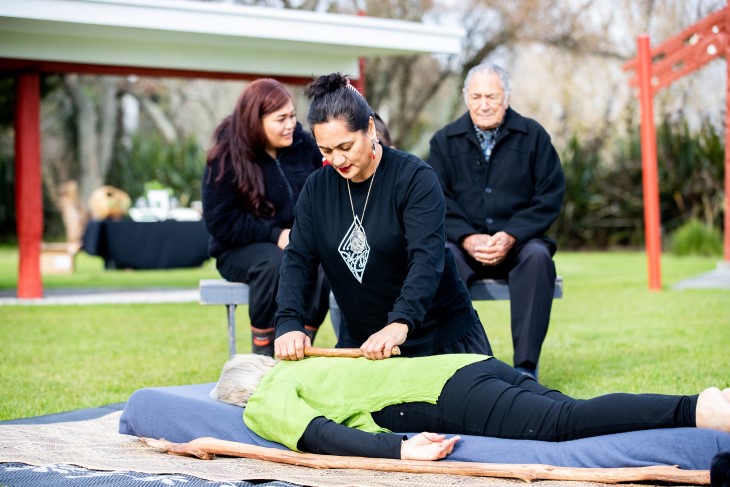
marwaarsanios.info – Rongoā Māori is the traditional Māori system of healing, a practice rooted in the deep knowledge of nature and spirituality. This holistic approach to health incorporates a wide range of remedies, including medicinal plants, physical therapies, spiritual healing, and rituals. For centuries, Māori healers—known as tohunga rongoā—have used the land, sea, and sky as their primary sources of healing, treating physical, emotional, and spiritual ailments. This ancient knowledge was passed down through generations, intertwined with Māori worldview and culture, emphasizing the interconnectedness of people, nature, and the spiritual realm.
Today, Rongoā Māori is experiencing a revival, as Māori communities reclaim and revitalize their traditional healing practices. This article explores the principles of Rongoā Māori, the remedies and techniques used, and the ways in which these practices continue to shape Māori health and wellbeing in contemporary society.
The Principles of Rongoā Māori
Rongoā Māori is based on the concept of balance—balance within the body, between the body and the environment, and between the physical and spiritual realms. It recognizes that health is not simply the absence of disease but the harmonious alignment of mind, body, and spirit. Māori healing practices emphasize the importance of mauri (life force), tapu (sacredness), mana (spiritual power), and whakapapa (genealogy) in maintaining wellbeing.
Mauri – The Life Force
In Rongoā Māori, the idea of mauri is central to the understanding of health. Mauri refers to the life force or essence that exists in all living things—plants, animals, people, and even inanimate objects. The health of an individual is closely connected to the strength and balance of their mauri. When mauri is disturbed, whether through illness, stress, or spiritual disconnection, it can lead to physical and mental health problems. Rongoā Māori aims to restore balance to the mauri, helping individuals regain their vitality and wellbeing.
Tapu and Mana – Sacredness and Spiritual Power
Tapu and mana are integral to the Māori understanding of health. Tapu refers to the sacredness and protection of an individual or place, while mana represents spiritual power or authority. In Rongoā Māori, the healing process is seen as not just a physical one but a spiritual journey. Restoring health often involves addressing the spiritual dimensions of a person’s life, such as their relationships with ancestors, the natural world, and the gods.
Whakapapa – Genealogy and Connection to the Land
Whakapapa—the genealogy of a person or a tribe—is crucial in understanding Rongoā Māori practices. Healing involves understanding an individual’s connection to their ancestors, to their iwi (tribe), and to the land. Plants and natural remedies are considered sacred gifts from the environment, and the knowledge of how to use them is passed down through generations. This ancestral knowledge ensures that healing practices are connected to the land and its resources, maintaining the balance between people and nature.
Traditional Remedies and Techniques in Rongoā Māori
Rongoā Māori draws on a wide range of natural remedies, many of which are derived from the plants, trees, and herbs found in New Zealand’s unique environment. These plants are used for their medicinal properties and have been employed by Māori healers for centuries to treat a variety of ailments.
Healing Plants and Herbs
Māori traditional medicine is renowned for its use of native plants with therapeutic qualities. Some of the most important plants used in Rongoā Māori include:
- Kawakawa (Macropiper excelsum): Often referred to as the “Māori aspirin,” kawakawa is widely used in Rongoā Māori for its anti-inflammatory, pain-relieving, and antibacterial properties. It is often brewed into a tea or applied as a poultice to treat wounds, stomach ailments, and joint pain.
- Rātā and Kahikatea (White Pine): The bark and leaves of the rātā and kahikatea trees are used for respiratory issues, particularly coughs and colds. These plants are also used to treat wounds and infections.
- Harakeke (Flax): The leaves of the flax plant are used for a variety of medicinal purposes, including for dressing wounds and burns. The sap is also used as a soothing ointment for skin ailments.
- Tī Kaka (Cabbage Tree): The leaves of the cabbage tree are used to treat respiratory conditions such as asthma and bronchitis. Tī Kaka is also used as an antiseptic and anti-inflammatory.
- Manuka (Leptospermum scoparium): Manuka is widely known for its antibacterial properties and is used in a range of treatments, including for wounds, infections, and digestive issues. Manuka honey is a modern example of its widespread use in healing.
Te Ahu (Physical Therapies)
Rongoā Māori also involves physical therapies to restore health and wellbeing. These therapies may include:
- Massage (Rongoā Rākau): A traditional form of therapeutic massage that involves the use of hands, fingers, and sometimes hot stones to relieve muscle tension and improve circulation.
- Taping and Binding: Traditional Māori healing methods may also include the use of natural materials, such as flax or harakeke, to bind injured limbs or provide support to aching joints.
- Mirimiri (Massage Therapy): A form of bodywork therapy used to heal the body and mind by releasing tension and stress. It is often used in conjunction with spiritual healing and is considered a vital component of Rongoā Māori.
Spiritual Healing
In addition to physical treatments, Rongoā Māori places great emphasis on spiritual healing. This may involve the use of karakia (prayers), healing rituals, and spiritual guidance from Māori healers. The aim is to restore the individual’s spiritual connection to their ancestors, the environment, and the divine, as imbalance in the spiritual realm is often seen as a cause of physical illness. Spiritual healing is considered essential for holistic recovery, addressing the root causes of illness.
Wairua and the Healing Process
In Rongoā Māori, the healing process is seen as a balance between wairua (spirit), tinana (body), and hinengaro (mind). A practitioner may use various spiritual practices, including prayers and rituals, to address the spiritual causes of an illness. The idea is to restore harmony between the patient and their environment, ensuring that both their physical and spiritual needs are met.
The Revival of Rongoā Māori in Modern Times
In recent years, there has been a resurgence of interest in Rongoā Māori as part of a broader movement toward cultural revitalization and decolonization. Māori communities have increasingly turned to traditional healing practices to complement, and in some cases, replace modern medical treatments. This revival is not only about reclaiming traditional knowledge but also about strengthening Māori identity and sovereignty.
Māori health practitioners and universities have worked to formalize and incorporate Rongoā Māori into modern healthcare systems, with some practitioners offering services that combine traditional healing with contemporary medical practices. The integration of Rongoā Māori with modern medicine ensures that Māori communities have access to a more holistic form of healthcare, one that is culturally appropriate and acknowledges the spiritual dimensions of wellbeing.
Conclusion
Rongoā Māori is a profound and integral part of Māori culture, offering a holistic approach to health and healing that encompasses the mind, body, and spirit. By drawing on the natural world, spiritual practices, and ancestral knowledge, Rongoā Māori provides a powerful and enduring system of healing that has stood the test of time. As Māori people continue to reclaim and revitalize their traditional healing practices, Rongoā Māori plays a central role in promoting wellbeing, reconnecting individuals to their heritage, and asserting the importance of cultural identity in modern healthcare. In a world increasingly focused on the importance of environmental sustainability and holistic health, the knowledge and practices of Rongoā Māori serve as a valuable and relevant source of healing for future generations.

