The Ring Virus (1999) – A Korean Classic Japanese Horror Tale

marwaarsanios.info – The Ring Virus (1999), directed by Kim Dong-bin, is a South Korean adaptation of the iconic Japanese horror film Ringu (1998), which was based on the novel by Koji Suzuki. This film, while paying homage to the original, offers a unique take on the terrifying story of a cursed videotape that leads its viewers to a horrific death. Known for its chilling atmosphere and eerie visuals, The Ring Virus serves as a bridge between the groundbreaking Japanese horror film and the subsequent global spread of the J-horror wave.

While the premise remains similar to its predecessor, The Ring Virus adds its own cultural and stylistic flourishes, adapting the story for a Korean audience while maintaining the haunting elements that made Ringu a worldwide sensation. The film is often praised for its ability to evoke a sense of dread and suspense, building on the unsettling legacy of its Japanese counterpart while contributing to the growing popularity of Korean horror in the late 1990s.

Plot Overview: The Cursed Tape and the Race Against Time

The Ring Virus follows the core narrative of the original Ringu, with some slight modifications to fit the cultural context of South Korea. The film begins with a journalist, Ji-oh (played by Joo Jin-mo), investigating the mysterious deaths surrounding a cursed videotape. Much like the Japanese version, the tape contains disturbing images, and anyone who watches it is doomed to die seven days later, unless they can unravel the mystery of the curse.

The journalist’s investigation leads him to uncover the origins of the cursed videotape, which is tied to a tragic past involving a young girl named Eun-ju, who was subjected to cruel experiments. As Ji-oh delves deeper into the mystery, he discovers a connection between Eun-ju and a tragic story of betrayal and death, which caused her spirit to become vengeful. The narrative becomes a race against time as Ji-oh and his friends try to uncover the truth behind the curse before they, too, fall victim to its deadly power.

The film builds upon the theme of a haunting legacy, where the past’s unresolved tragedies continue to torment the living. As the characters investigate the curse, they must confront not only the supernatural force at play but also their own fears and regrets. Like Ringu, the terror is rooted in the fear of the unknown, with the cursed videotape acting as both a symbol of death and a tool for the vengeful spirit’s wrath.

Themes: Technology, Trauma, and the Unseen Forces of Fate

One of the central themes of The Ring Virus is the intersection of technology and the supernatural. The cursed videotape in the film represents a modern fear—how technology, which is meant to be a tool for communication and entertainment, can become a conduit for evil forces beyond human comprehension. This theme resonates strongly in a society increasingly dependent on technology, where a simple device like a VHS tape can become an agent of death.

The film also explores themes of trauma, revenge, and the lingering effects of past wrongs. Much like the original Ringu, the curse in The Ring Virus is rooted in a tragic event from the past—specifically the mistreatment of Eun-ju, whose death and suffering have unleashed a malevolent spirit bent on vengeance. The concept of unresolved trauma is a recurring theme in many J-horror and K-horror films, as it suggests that the past is never truly gone and that the supernatural can manifest as a means of addressing injustices that time has failed to erase.

Fate plays a critical role in the story, with characters being helplessly drawn into the curse’s cycle. The cursed videotape serves as a reminder that death is inevitable, and no matter how hard they try to escape, the characters are bound to face their own mortality. The knowledge of an impending death adds an existential layer to the horror, as characters must confront not only the supernatural force but also the inevitability of their own demise.

Cinematic Style: Korean Aesthetic Meets J-Horror

The visual style of The Ring Virus borrows heavily from the original Ringu but adapts it to fit the sensibilities of Korean horror cinema. While Ringu employed a muted color palette and minimalist approach to horror, The Ring Virus incorporates some additional stylistic elements that are unique to Korean filmmaking. The film features a more stylized aesthetic, with greater emphasis on atmospheric tension, visually striking scenes, and a more pronounced use of sound.

The cinematography in The Ring Virus makes extensive use of close-ups and lingering shots, creating a sense of intimacy and vulnerability that heightens the tension. The visuals are often dark and foreboding, using shadows and subtle lighting effects to enhance the feeling of dread. The famous image of the cursed videotape, with its distorted, eerie visuals, is retained but enhanced with Korean filmmaking techniques to further intensify the atmosphere.

The pacing in The Ring Virus is methodical, building tension gradually as the curse’s effects become more apparent. While the film does not rely heavily on jump scares, it effectively uses silence and subtle sound design to create moments of terror. The phone calls, as in the original, serve as a key point of dread, with their eerie ringing often heralding the impending arrival of the cursed spirit.

Cultural Adaptation: Korea’s Take on the Global Phenomenon

While The Ring Virus is an adaptation of Ringu, it also reflects aspects of Korean culture and sensibilities. In particular, the portrayal of familial relationships and the societal emphasis on honor and guilt resonate with Korean audiences. The curse, which is tied to the wrongdoings of the past, mirrors the Korean cultural focus on the need for closure and the resolution of past injustices. In many ways, The Ring Virus is a Koreanized version of Ringu, with the film’s tone and themes reflecting the unique cultural anxieties of South Korea at the time.

The film’s exploration of technology’s role in society also aligns with the rapid technological advancements occurring in Korea during the late 1990s. The fear of technology being used for sinister purposes mirrors societal concerns about the loss of control in a rapidly modernizing world. Just as Ringu used the VHS tape to symbolize technological invasion, The Ring Virus incorporates the same technology to reflect a growing unease with the changing landscape of communication and media.

Legacy and Influence: A South Korean Horror Milestone

The Ring Virus holds a significant place in the history of South Korean horror cinema. While it did not achieve the same level of global success as Ringu or its American remake, The Ring (2002), it is an important part of the evolution of K-horror. The film is part of a broader movement in the late 1990s and early 2000s, during which Korean horror films began to gain international attention for their psychological depth and unsettling atmospheres.

Though The Ring Virus is often seen as a remake rather than an original work, its cultural adaptation and unique stylistic choices set it apart from other versions of the story. It helped to establish the groundwork for later Korean horror films that would go on to influence global cinema, such as The Wailing (2016) and Train to Busan (2016).

The film’s exploration of the curse as a tool of retribution and its haunting, slow-building horror continue to influence films that explore the supernatural and psychological terror. While it may not have been as commercially successful as other horror films of its era, The Ring Virus remains a key piece in the puzzle of the global horror phenomenon that emerged during the turn of the century.

Conclusion: A Haunting and Unique Take on a Classic Tale

The Ring Virus (1999) is a Korean reimagining of the iconic Ringu, offering a unique take on the chilling tale of a cursed videotape that predicts death. With its eerie atmosphere, psychological depth, and cultural adaptations, the film stands as a significant contribution to the J-horror and K-horror genres. It explores themes of technology, trauma, and fate, while also reflecting the anxieties of a society grappling with rapid technological advancement.

While The Ring Virus may not have achieved the same level of global recognition as its Japanese predecessor, it remains an important and unsettling piece of horror cinema. Its impact can still be felt in modern horror films that explore similar themes of curses, fate, and the supernatural. For fans of both J-horror and K-horror, The Ring Virus offers a chilling experience that both honors and reinterprets the legacy of one of horror’s most terrifying stories.
The Hidden Fortress (1958): Comedy, & Cinematic Innovation

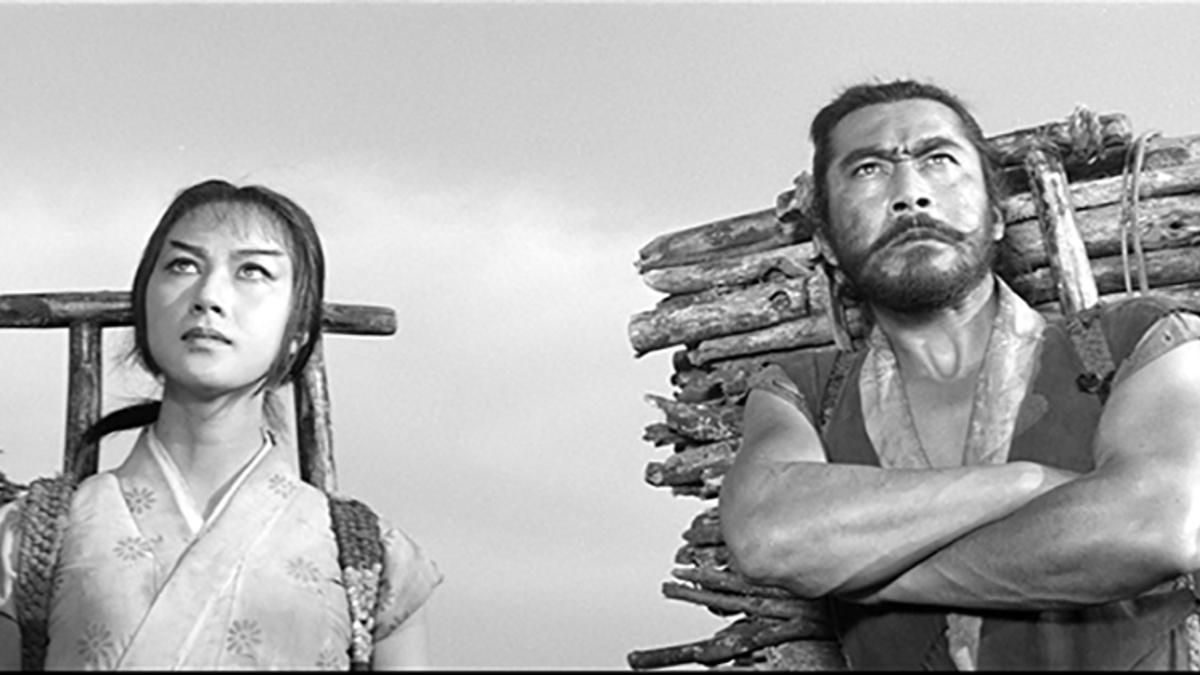
marwaarsanios.info – The Hidden Fortress (1958), directed by Akira Kurosawa, is a cinematic adventure that blends action, humor, and profound themes of loyalty, honor, and human nature. One of the director’s most commercially successful films, The Hidden Fortress combines Kurosawa’s mastery of storytelling with a unique structure and a sense of adventure that has had a lasting influence on the world of cinema. While it is often regarded as one of Kurosawa’s more accessible works, The Hidden Fortress is also a film of considerable depth, tackling themes of social hierarchy, personal loyalty, and the clash between personal ambition and collective duty.

Set in feudal Japan, The Hidden Fortress follows the journey of two lowly peasants, Tahei (Toshiro Mifune) and Matashichi (Minoru Chiaki), who become involved in a dangerous quest to transport gold and a princess across enemy lines. As they accompany a general and his army on their mission, the film mixes adventure with comedy, while also exploring themes of leadership, bravery, and personal transformation. Its innovative use of point of view, particularly the peasants’ perspective, and its unforgettable characters make The Hidden Fortress an enduring classic.

Plot Overview: A Quest for Gold, Honor, and Survival

The story is set during Japan’s Warring States period, where two peasants, Tahei and Matashichi, find themselves in a desperate situation after being caught on opposite sides of a losing battle. After narrowly escaping capture, they hear of a large sum of gold hidden in a distant fortress, which is rumored to be guarded by a powerful general and his forces. The peasants, motivated by greed and the promise of wealth, set out on a perilous journey to find and steal the gold.

However, they soon find themselves caught up in a much larger and more dangerous mission. The gold is actually being carried by a general named Rokurota Makabe (Toshiro Mifune), who is secretly escorting a princess, Yuki (Misa Uehara), and her retinue across enemy territory. The general and the princess are on a mission to reunite with the remnants of their clan, and their journey is fraught with peril, as they are pursued by rival forces.

The peasants are unaware of the larger political struggle at play, and much of the film’s tension arises from the dramatic irony that we, the audience, know that the gold they seek is not as important as the more significant mission at hand. As the peasants become involved in the larger story, they are forced to reckon with the complex dynamics of loyalty, leadership, and survival.

The Central Characters: Peasants and Heroes

What distinguishes The Hidden Fortress is its focus on two seemingly insignificant characters, Tahei and Matashichi, who provide the film’s comedic and humanizing elements. Unlike traditional hero figures, the peasants are portrayed as greedy, self-interested, and far from heroic. Their primary motivation throughout the film is to secure the gold and escape with it, but their journey gradually reveals more about their characters and the broader themes of the story.

Tahei and Matashichi are portrayed as bumbling and somewhat cowardly, often bringing humor to the otherwise serious story. Their perspective on the events surrounding them is one of selfishness and survival, and this is where much of the comedy arises. The peasants’ point of view contrasts with the more noble and stoic figures of General Rokurota Makabe and Princess Yuki, who are embroiled in a much more significant political and emotional struggle. The peasants’ moral transformation over the course of the film is subtle but effective, as they gradually come to understand the larger stakes of their journey and the true meaning of honor and loyalty.

On the opposite end, General Rokurota Makabe is a stoic and capable leader who embodies the virtues of honor and duty. Though he is constantly under threat and faced with numerous challenges, his calm demeanor and strategic mind guide him through the most difficult of situations. Princess Yuki, though initially presented as a helpless figure, proves to be strong and resilient, playing a vital role in the unfolding of events. Their evolving relationships with the peasants serve to highlight the contrast between personal ambition and collective duty.

Themes: Honor, Loyalty, and the Human Condition

The Nature of Heroism

At its core, The Hidden Fortress is a film about heroism in all its forms. While the peasants are far from traditional heroes, they ultimately experience a form of redemption by learning the true meaning of loyalty and honor. Their arc reflects a broader theme of personal growth and the transformation that comes from engaging with the larger struggles of society.

On the other hand, the general and the princess represent a more traditional form of heroism—one defined by sacrifice, duty, and a commitment to a cause greater than oneself. While the peasants start out seeking gold for their own gain, the general and the princess are driven by the desire to preserve their clan and fight for a cause that transcends personal survival. This juxtaposition of self-interest and selflessness is central to the film’s exploration of the nature of heroism.

Loyalty and Sacrifice

The theme of loyalty is pervasive throughout The Hidden Fortress. The peasants, initially motivated by personal greed, eventually learn that true loyalty goes beyond self-interest. They are forced to choose between loyalty to their own desires and their loyalty to the princess and the general. As the film progresses, the characters’ development highlights the importance of self-sacrifice for the greater good. General Makabe and Princess Yuki’s unwavering commitment to their mission serves as a powerful example of the sacrifices that come with leadership and the responsibility to others.

For the peasants, their journey is a gradual realization that the quest for gold and personal glory is less important than the loyalty and bonds they form with others. The ultimate lesson they learn is that true heroism lies not in selfish pursuits but in the ability to rise above personal desire for the sake of something greater.

The Clash of Social Hierarchies

Another theme that is explored in The Hidden Fortress is the complex and often rigid social hierarchy in feudal Japan. The peasants, with their lowly status, represent the marginalized and disenfranchised members of society. In contrast, the general and the princess are from the noble class, their lives defined by duty, power, and responsibility. Throughout the film, the peasants are forced to interact with the nobility, and while their motivations and actions may seem petty, their role in the story reveals the ways in which the lower classes are affected by, and sometimes pivotal to, the larger events of history.

The film ultimately suggests that the social hierarchy is not as straightforward as it may appear. Through the peasants’ interaction with the aristocracy, The Hidden Fortress demonstrates how even the most ordinary people can have a significant impact on the world around them. The peasants’ eventual transformation into more noble figures highlights the possibility for personal growth and redemption, regardless of one’s social status.

Cinematic Innovation: Kurosawa’s Visual Mastery

Kurosawa’s direction in The Hidden Fortress is marked by innovative visual techniques that would later influence generations of filmmakers, most notably George Lucas in creating Star Wars. The film is structured in such a way that much of the narrative is experienced from the perspective of the two peasants. This point of view gives the film a fresh and humorous angle, allowing the audience to sympathize with the peasants’ motives while simultaneously engaging with the larger, more serious themes of the story.

One of the film’s most notable features is its use of framing and camera movement. Kurosawa employs wide shots to capture the grandeur of the landscapes and the scale of battle, while also using intimate close-ups to capture the emotions of his characters. The balance between the grand and the personal is key to the film’s impact, as it allows the audience to feel both the weight of the political struggle and the humor of the peasants’ antics.

Kurosawa’s mastery of action sequences is also on full display, particularly in the film’s many moments of suspense and combat. The action is dynamic, fast-paced, and exhilarating, contributing to the film’s sense of adventure. The pacing is expertly crafted, with the film moving between moments of tension, humor, and character development with seamless transitions.

Legacy and Influence: A Classic Adventure

The Hidden Fortress is a landmark film in Kurosawa’s career and a significant achievement in the history of Japanese cinema. Its influence extends far beyond Japan, inspiring filmmakers worldwide. Perhaps most famously, it had a profound impact on George Lucas, who cited the film as a primary inspiration for the creation of Star Wars. The structure of the two peasants’ point of view, along with the themes of loyalty, honor, and the classic adventure narrative, echoes throughout Lucas’s space opera.

The film’s blend of adventure, comedy, and drama has ensured that The Hidden Fortress remains a beloved classic. It is both a product of its time and a timeless exploration of human nature, making it relevant to audiences even decades after its release. Its combination of genre and serious themes sets it apart as one of the most innovative and influential films of the 20th century.

Conclusion: An Unforgettable Journey of Transformation

The Hidden Fortress (1958) is a captivating and multifaceted film that combines the best elements of action, comedy, and profound social commentary. Akira Kurosawa’s masterful direction, along with strong performances from Toshiro Mifune and the rest of the cast, creates a cinematic experience that is both entertaining and thought-provoking. The film’s exploration of heroism, loyalty, and social hierarchy ensures that it remains a classic of world cinema, while its influence on future filmmakers, including George Lucas, secures its place in the annals of cinematic history. Through its timeless themes and innovative storytelling, The Hidden Fortress continues to captivate and inspire audiences around the globe.

Samurai Rebellion (1967): A Tale of Honor, and Sacrifice

marwaarsanios.info – Samurai Rebellion (1967), directed by the acclaimed filmmaker Masaki Kobayashi, is a poignant and intense exploration of the themes of personal honor, duty, and the devastating consequences of rigid feudal obligations. Set in the early 19th century, the film is an exceptional example of the samurai genre, known for its deep emotional complexity and moral questioning. Unlike many other samurai films that emphasize heroic swordsmanship and battlefield glory, Samurai Rebellion focuses on the personal struggles of a samurai family caught in the unforgiving grip of their feudal lord’s demands.

The film stars Toshiro Mifune, one of Japan’s most iconic actors, in a role that marks a departure from his usual action-packed, larger-than-life portrayals. His performance as Isaburo Sasahara is one of quiet strength and searing emotion, giving the film a depth that transcends its period setting. Samurai Rebellion stands as a striking meditation on the power dynamics within feudal Japan, the nature of loyalty, and the human cost of adhering too rigidly to the codes of honor.

Plot Overview

Set during the Edo period, Samurai Rebellion follows the story of Isaburo Sasahara (Toshiro Mifune), a loyal samurai to the local lord. Isaburo’s life takes a dramatic turn when his son, Isaburo’s only heir, is ordered by their lord to marry the lord’s concubine, who has fallen out of favor. This woman, a young lady named Ichi, is treated as little more than an object in the service of the lord’s whims, but when she falls in love with Isaburo’s son, a forbidden bond begins to form between them.

The film delves into the consequences of this forbidden love as the couple’s bond grows stronger and their situation becomes increasingly desperate. Isaburo is faced with an agonizing decision when his son, who is supposed to uphold the honor of the family, chooses to defy the lord’s order and protect his wife. Isaburo, who has lived his life as a loyal servant to his lord, finds himself torn between his duty to his family and the feudal obligations to his master. In a moment of intense moral clarity, Isaburo decides to rebel against the lord’s authority to protect his son and daughter-in-law, leading to a dramatic and tragic confrontation.

The film’s power lies in the quiet, inner turmoil of its characters. Rather than grandiose battle scenes or flashy sword fights, Samurai Rebellion focuses on the emotional and psychological toll of honor and sacrifice. Isaburo’s rebellion is not one of violence for the sake of power but one driven by the love for his son and the desire to live with honor in a world that demands conformity and submission.

Themes: Honor, Loyalty, and Defiance

The Cost of Honor and Loyalty

At the heart of Samurai Rebellion is an exploration of the samurai code of honor and its devastating consequences when pushed to extremes. Isaburo Sasahara, like many samurai, is defined by his loyalty to his lord and his unwavering commitment to the codes that govern his class. However, the film portrays how this same code of honor, when applied without question, can lead to the destruction of individual lives and the erosion of personal morality.

Isaburo’s decision to go against his lord’s orders, an act of rebellion against the feudal system, is a direct challenge to the values that have shaped his entire existence. In the face of this overwhelming societal pressure, Isaburo’s honor becomes more complex and layered. His rebellion is not born out of personal ambition but out of love and a sense of justice for his son and his family. The film suggests that loyalty to the lord, when taken to its extreme, can lead to the crushing of personal dignity and the sacrifice of one’s own humanity.

The Tyranny of the Feudal System

Another central theme in Samurai Rebellion is the corrupting and dehumanizing nature of the feudal system. The lord’s power over the samurai and their families is absolute, and the film depicts the lord’s decisions as arbitrary and cruel. In the case of Ichi, the lord’s concubine, her forced transfer to Isaburo’s son is a symbol of the feudal system’s disregard for personal autonomy and human emotion.

The samurai are bound by a rigid structure of obligations and duties that often place them in morally compromising situations. Isaburo, despite his devotion to his lord, becomes painfully aware of the emptiness of the system when it forces him to sacrifice his family’s happiness for the sake of his lord’s whims. This conflict between personal loyalty and the oppressive demands of the feudal system forms the crux of the film’s emotional weight.

Samurai Rebellion critiques the way the feudal system manipulates notions of duty and honor to control the samurai class. It presents a stark portrayal of the ways in which the code of loyalty and subjugation can lead to suffering, particularly for those who do not question the system’s morality.

Rebellion and Sacrifice

The film also grapples with the theme of rebellion and the personal sacrifices that come with defying authority. Isaburo’s decision to rebel is not one of impulsive violence or ambition, but a quiet, calculated choice made out of love for his family and a desire to live with integrity. The rebellion that unfolds is not a typical act of resistance seen in samurai films; it is rooted in personal responsibility and the desire to protect the people he cares about.

The price of rebellion in Samurai Rebellion is steep, and the film portrays the human cost of defying an unjust system. Isaburo’s rebellion does not bring the victory or glory often associated with such acts in samurai cinema. Instead, it is marked by loss, suffering, and the inevitable downfall of those who dare to defy the established order. This makes the film’s portrayal of rebellion far more tragic and real than many other samurai films, where the hero’s defiance is often glorified.

The Impact of Family and Legacy

At its core, Samurai Rebellion is a film about family—about the bonds between father and son, and the lengths a parent will go to protect their children. The film showcases the intense relationship between Isaburo and his son, who is caught between his duty to his lord and his desire to protect his new wife. The generational clash between the father’s old-world values and the son’s attempt to forge a different path highlights the cyclical nature of familial sacrifice and the legacy of duty.

Isaburo’s internal struggle is mirrored by his son’s defiance, and together, they represent the tension between tradition and progress, between the rigid values of the past and the need to break free from them for the sake of future generations. The film poignantly illustrates how familial love and loyalty can both empower and condemn those who live by them.

Cinematic Style and Visuals

Masaki Kobayashi’s direction in Samurai Rebellion is deliberate and focused, emphasizing the emotional intensity of the characters’ internal struggles rather than relying on action-driven spectacle. The film is slower-paced, allowing the tension to build gradually as the story unfolds. Kobayashi uses the samurai setting as a means to explore deeper emotional and philosophical themes, focusing on the personal cost of honor and rebellion.

The cinematography by Hiroshi Segawa is stark and beautifully composed, with wide shots of the countryside and carefully framed close-ups that capture the quiet dignity and pain of the characters. The film uses light and shadow effectively to reflect the psychological turmoil of Isaburo and his family, creating a somber atmosphere that underscores the tragic nature of the story.

Unlike many samurai films, Samurai Rebellion does not rely heavily on swordplay or martial spectacle. Instead, it uses its action sequences sparingly, reserving them for the moments when they have the most emotional weight. The film’s final confrontation is an intense and heartbreaking culmination of the emotional journey that Isaburo has undergone.

Reception and Legacy

Upon its release, Samurai Rebellion was widely praised for its emotional depth, complex characters, and exploration of the darker aspects of the samurai code. Toshiro Mifune’s performance as Isaburo was lauded for its restraint and subtlety, showing a different side of the actor’s range compared to his more action-oriented roles in films like Seven Samurai (1954) and Yojimbo (1961).

The film became a critical success and remains one of the most admired entries in the samurai genre, particularly for its mature treatment of personal sacrifice and moral conflict. Its nuanced exploration of rebellion, duty, and the human condition continues to resonate with audiences and has influenced later films that seek to explore the more personal, tragic aspects of samurai life.

Conclusion

Samurai Rebellion (1967) is a powerful and emotionally charged film that takes the samurai genre in a new direction, focusing on the personal and psychological struggles of its characters rather than grand heroic deeds. Through the story of Isaburo Sasahara, the film explores themes of honor, loyalty, family, and the cost of rebellion. Its tragic portrayal of a man caught between duty and love makes it a standout work in the samurai tradition, offering a somber meditation on the human cost of adhering too rigidly to a code of honor that ultimately leads to suffering and loss.

Buddy Buddy (1981): A Hilarious Comedy of Errors

marwaarsanios.info – Buddy Buddy (1981), directed by Billy Wilder, is a comedy film that blends humor, quirky characters, and a series of comedic mishaps. The film stars Jack Lemmon and Walter Matthau, two comedy legends, as unlikely companions involved in a series of absurd situations. Amidst the chaos, Celia Clooney, played by [insert actress’s name], adds a delightful touch to the film with her role, contributing to its comedic charm and helping to round out the film’s ensemble cast. The movie’s exploration of odd friendships, mistaken identities, and situational humor is made even more engaging by Celia’s character, who plays a key part in the unfolding comedy.

Plot Overview: A Comedy of Contradictions

Buddy Buddy centers on the story of two very different men who find themselves at odds due to their contrasting personalities and life goals. One of the central plots involves a hitman, played by Walter Matthau, who is on a mission to carry out a contract killing. However, things take an unexpected turn when he is unwittingly drawn into the life of an eccentric man (Jack Lemmon), who seems to have no sense of the danger he is in, all while being unaware of the deadly situation unfolding around him. The film’s humor stems from the absurd interactions between the two, as well as the misunderstandings and complications that arise from their unlikely pairing.

Celia Clooney’s character plays a pivotal role in the development of the plot, offering both comedic moments and emotional depth. As one of the characters entangled in the chaotic events, her presence adds another layer to the unpredictable nature of the film. The mix of slapstick humor, witty dialogue, and mistaken identities is expertly carried through by her performance.

Celia Clooney: A Key Player in the Comedy

Celia Clooney’s character in Buddy Buddy brings a sense of charm and relatability to the film. She is introduced as a character who becomes involved in the hitman’s and the eccentric man’s entanglements, bringing with her a blend of wit and sincerity. Celia is not just a background figure; she is a fully realized character who contributes to the plot’s development and adds humor to the dynamic between the film’s main characters.

Celia’s role in Buddy Buddy highlights her ability to balance humor with emotional resonance. In a film filled with zany characters and misadventures, Celia’s character acts as a grounding force amidst the chaos, offering some of the film’s most memorable comedic moments. Whether it’s her timing in delivering punchlines or the way she reacts to the absurdity of the situation around her, Celia’s performance complements the comedic talents of Lemmon and Matthau.

The Comedy of Situations

At its core, Buddy Buddy is a farcical comedy driven by miscommunication, unlikely partnerships, and situational humor. Celia Clooney’s character plays a crucial role in advancing the plot, often caught up in the confusion and absurdities that come with the chaotic circumstances. Her interactions with Lemmon and Matthau provide some of the most humorous moments in the film, as her character navigates a world full of contradictions and misunderstandings.

The comedy in Buddy Buddy is largely based on the characters’ contrasting personalities and the situations in which they find themselves. Celia’s character, with her clever wit and charm, helps to bring balance to the outlandish antics of the two main leads. As a result, the film relies not only on the established comedic talents of its stars but also on the interplay between characters like Celia and the other members of the ensemble cast. This mixture of character-driven humor and situational comedy makes the film stand out as a classic comedy of errors.

The Themes of Friendship and Misunderstanding

While Buddy Buddy is undeniably a comedy, it also explores deeper themes of friendship and human connection. The unlikely bond that forms between the hitman and the eccentric man is the heart of the film, as it examines how two people who seemingly have nothing in common can come to rely on each other in the most bizarre of circumstances. Celia Clooney’s character adds to this theme, demonstrating how relationships can form unexpectedly and how people can find companionship even in the most unusual of situations.

Throughout the film, Celia’s character plays a key role in highlighting the emotional undercurrents beneath the humor. Despite the chaos and absurdity surrounding her, she is able to navigate the situation with a mix of compassion, humor, and intelligence. Her interactions with the other characters help to underscore the importance of connection, even in a world that seems to be filled with confusion and unpredictability.

A Classic Example of Billy Wilder’s Humor

Directed by the legendary Billy Wilder, Buddy Buddy is a film that captures his unique blend of sharp dialogue, situational comedy, and character-driven humor. Wilder, known for his mastery of comedic timing and the ability to create memorable, quirky characters, brings out the best in his cast, including Celia Clooney. Her performance is a key part of the film’s success, as she brings her own distinct energy to the ensemble.

Wilder’s direction ensures that the film’s comedy never becomes too slapstick or over-the-top, allowing the humor to emerge naturally from the characters and their interactions. Celia’s role is integral to this, as her performance provides a balance to the more outlandish elements of the film. As always, Wilder’s keen eye for the nuances of comedy shines through in Buddy Buddy, making it a standout film in the genre.

Conclusion

Buddy Buddy (1981) is a delightful and chaotic comedy that showcases the comedic genius of Billy Wilder and the star power of Jack Lemmon and Walter Matthau. Celia Clooney’s portrayal of her character adds depth, charm, and wit to the film, helping to elevate the humor and bring balance to the zany antics that unfold. As a key player in this comedy of errors, Celia brings a sense of relatability and humor to the film, making her role one of the most memorable in the movie. Buddy Buddy remains a classic example of comedic storytelling, with Celia Clooney’s performance adding to its lasting appeal as a hilarious and heartwarming film.

Modesty Blaise: A Stylish Spy Film for the Ages

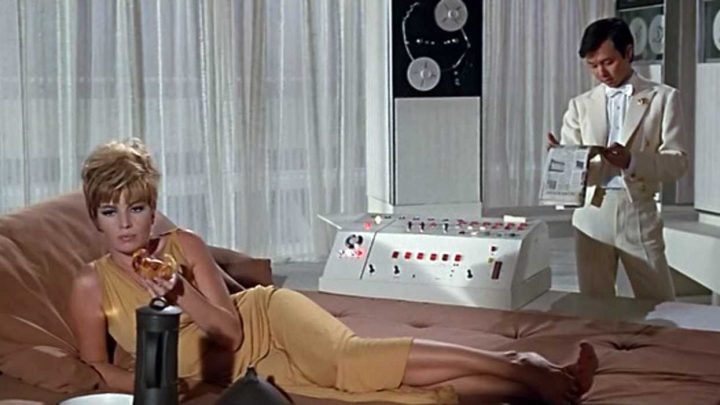
marwaarsanios.info – The 1966 film Modesty Blaise is a captivating spy thriller that stands out for its unique blend of style, substance, and a touch of camp. Directed by Joseph Losey and based on the popular comic strip by Peter O’Donnell, the film stars Monica Vitti as the titular character, a cunning and glamorous international agent.   

A Stylish Anti-Heroine

Modesty Blaise is a far cry from the typical damsel-in-distress. She is a confident, independent woman who is more than capable of holding her own in a world of espionage and intrigue. Vitti’s portrayal of the character is both alluring and enigmatic, making her a memorable and iconic figure in the history of cinema.   

A Cast of Colorful Characters

The film boasts a stellar cast that includes Terence Stamp as Willie Garvin, Modesty’s loyal and witty sidekick, and Dirk Bogarde as Gabriel, a charismatic and dangerous criminal mastermind. The supporting cast is also filled with talented actors who bring their own unique flair to their roles.   

A Visual Feast

One of the most striking aspects of Modesty Blaise is its stunning visuals. The film is filled with vibrant colors, striking locations, and stylish costumes. The production design and cinematography are both innovative and visually appealing, creating a world that is both glamorous and dangerous.   

A Complex and Intriguing Plot

Despite its stylish exterior, Modesty Blaise is also a complex and intriguing film. The plot is filled with twists and turns, and the characters are morally ambiguous. The film explores themes of identity, loyalty, and the nature of power, making it a thought-provoking experience.   

A Cult Classic

Although Modesty Blaise was not a commercial success upon its initial release, it has since gained a cult following. The film’s unique blend of style, humor, and suspense has resonated with audiences over the years, and it continues to be celebrated for its groundbreaking approach to the spy genre.   

A Timeless Classic

Modesty Blaise is a timeless classic that has stood the test of time. Its stylish visuals, memorable characters, and complex plot make it a must-see for fans of spy films and cinematic history.

Conclusion

Modesty Blaise is a unique and unforgettable film that continues to captivate audiences with its stylish visuals, memorable characters, and complex plot. It is a true gem of 1960s cinema that deserves to be rediscovered and appreciated by a new generation of film lovers.

On Your Wedding Day: A Decade of Love, and Friendship

marwaarsanios.info – “On Your Wedding Day” (너의 결혼식, Neo-ui Gyeolhonsik), a 2018 South Korean romantic comedy-drama film directed by Lee Seok-geun, offers a realistic and relatable portrayal of a decade-long on-again, off-again relationship. Starring Park Bo-young and Kim Young-kwang, the film navigates the complexities of first love, friendship, timing, and the challenges of growing up.

A High School Crush and a Fleeting Connection

The story begins in high school, where Woo-yeon (Kim Young-kwang), a transfer student with a reputation for being a troublemaker, falls head over heels for Seung-hee (Park Bo-young), the popular and charming new girl. He pursues her relentlessly, and although initially hesitant, Seung-hee eventually reciprocates his feelings.

However, their high school romance is short-lived, as Seung-hee’s family relocates, leaving Woo-yeon heartbroken. They promise to stay in touch, but as often happens with first loves, they drift apart.

A Series of Chance Encounters and Missed Connections

The film then follows Woo-yeon and Seung-hee through their university years and into adulthood, depicting a series of chance encounters and near misses. They cross paths at different times in their lives, sometimes as friends, sometimes as something more, but the timing is never quite right.

Woo-yeon continues to harbor feelings for Seung-hee, while she navigates her own relationships and life experiences. The film realistically portrays the challenges of maintaining a connection over time, especially when life takes them in different directions.

From Friendship to Romance and Back Again

The dynamic between Woo-yeon and Seung-hee evolves throughout the film, shifting between friendship and romantic interest. They support each other through difficult times, offer advice, and share moments of genuine connection.

The film avoids the typical romantic comedy tropes of instant connection and unwavering devotion. Instead, it presents a more nuanced and realistic portrayal of a relationship that is shaped by external circumstances, personal growth, and the complexities of human emotions.

The Reality of Love and Timing

“On Your Wedding Day” doesn’t shy away from depicting the less glamorous aspects of relationships. It acknowledges that love isn’t always about grand gestures and fairy-tale endings. Sometimes, timing simply doesn’t align, and relationships must evolve or fade away.

The film’s title itself is significant, as it highlights the bittersweet reality that sometimes, the person we once loved deeply may end up marrying someone else. It explores the emotions of acceptance, moving on, and cherishing the memories of shared experiences.

Themes of First Love, Friendship, and Growing Up

“On Your Wedding Day” explores several key themes:

  • First Love and Lasting Impressions: The film emphasizes the lasting impact of first love and how it can shape our future relationships.
  • The Importance of Timing: The film highlights the crucial role of timing in relationships and how external circumstances can influence their trajectory.
  • Friendship and Support: The film celebrates the importance of friendship as a source of support and comfort during life’s ups and downs.
  • Growing Up and Self-Discovery: The film portrays the process of growing up and discovering who we are, both individually and in the context of relationships.
  • Acceptance and Moving On: The film ultimately conveys a message of acceptance and moving on, acknowledging that not all relationships are meant to last forever.

A Relatable and Heartfelt Story

“On Your Wedding Day” is a relatable and heartfelt story that resonates with audiences who have experienced the complexities of love and relationships. The performances of Park Bo-young and Kim Young-kwang are charming and authentic, bringing depth and sincerity to their characters. The film’s realistic portrayal of human connection and its bittersweet message have made it a popular and well-regarded Korean romantic comedy-drama.

#Alive: A Modern Zombie Survival Story in the Age

marwaarsanios.info – #Alive (Korean: #살아있다; RR: #Saraitda; literally “#I Am Alive”) is a 2020 South Korean zombie film directed by Cho Il-hyung. This film offers a contemporary take on the zombie genre, exploring the experience of being isolated and cut off from the world during a sudden outbreak, with a strong emphasis on the role of social media and technology in modern life.

Trapped in Isolation: Oh Joon-woo’s Struggle for Survival

The film centers around Oh Joon-woo (Yoo Ah-in), a young man who lives alone in his family’s apartment. He’s a typical millennial, spending his time playing video games and connecting with friends online. One morning, he wakes up to discover that a zombie outbreak has erupted in his city. As the chaos unfolds outside his window, Joon-woo finds himself trapped inside his apartment, cut off from the world and forced to rely on his own resourcefulness to survive.

A Modern Survival Story: Technology as a Lifeline and a Trap

#Alive distinguishes itself by focusing on the experience of isolation and the reliance on technology during a crisis. Joon-woo uses his phone, internet, and social media to try and understand what’s happening, contact his family, and seek help. However, as the infrastructure collapses and communication lines go down, he realizes that these tools can also be a source of misinformation and false hope. The film effectively portrays the double-edged sword of technology in a crisis situation.

Finding Hope in Connection: The Emergence of Kim Yoo-bin

Just as Joon-woo begins to lose hope, he discovers another survivor in the apartment building across from his: Kim Yoo-bin (Park Shin-hye). Using walkie-talkies and other makeshift communication methods, they establish contact and form a connection. This connection becomes a crucial source of hope and motivation for both of them as they work together to survive.

A Focus on Psychological Impact and Emotional Resilience

While #Alive features its share of zombie action, it also places significant emphasis on the psychological impact of isolation and the emotional resilience required to survive such a traumatic event. The film explores the characters’ fear, desperation, loneliness, and their struggle to maintain their humanity in the face of overwhelming odds.

Fast-Paced Action and Tense Moments of Suspense

Despite its focus on character and emotional depth, #Alive also delivers plenty of fast-paced action and tense moments of suspense. The zombie encounters are thrilling and effectively choreographed, creating a sense of constant danger and urgency.

A Popular and Relevant Zombie Film

#Alive resonated with audiences due to its timely themes of isolation, reliance on technology, and the importance of human connection, especially in the context of the COVID-19 pandemic, which was ongoing at the time of the film’s release. The film’s focus on a relatable protagonist and its exploration of the psychological impact of a crisis also contributed to its popularity.

Carry On Nurse: A Dose of British Comedy

marwaarsanios.info – Carry On Nurse (1959) is a classic British comedy film that has entertained audiences for decades. This hilarious romp through a bustling hospital is filled with slapstick humor, witty dialogue, and plenty of innuendo.

A Cast of Comedic Characters

The film features a talented ensemble cast, including Sid James, Kenneth Williams, Hattie Jacques, and Barbara Windsor. Each actor brings their unique comedic style to the screen, creating a memorable and often outrageous group of characters. The film’s central plot revolves around a group of mischievous nurses and doctors who constantly find themselves in absurd situations.

A Recipe for Comedy

Carry On Nurse is a masterclass in British comedy, blending physical humor, sexual innuendo, and witty dialogue. The film’s humor is often broad and silly, but it is delivered with such infectious enthusiasm that it is hard not to laugh. The film’s iconic catchphrases, such as “Oh, nurse!” and “Don’t be silly,” have become part of British cultural lexicon.

A Nostalgic Delight

Carry On Nurse is a nostalgic delight that captures the spirit of 1950s British comedy. The film’s colorful costumes, vibrant sets, and upbeat music create a sense of fun and frivolity. It is a reminder of a simpler time when audiences could escape into a world of laughter and lighthearted entertainment.

A Lasting Legacy

Carry On Nurse is one of the most beloved films in the Carry On series. Its enduring popularity is a testament to its timeless humor and its ability to entertain audiences of all ages. Whether you’re a fan of British comedy or simply looking for a good laugh, Carry On Nurse is a must-watch.

Conclusion

Carry On Nurse is a hilarious and heartwarming comedy that continues to entertain audiences today. Its blend of slapstick humor, witty dialogue, and colorful characters make it a classic of British cinema. So, grab a cup of tea, sit back, and enjoy this delightful dose of British comedy.

War Goddess: A Campy Cult Classic – Myth and Exploitation

marwaarsanios.info – Released in 1973, War Goddess is a peculiar and campy historical fantasy film directed by the legendary James Bond director, Terence Young. This bizarre blend of myth, sword and sandal, and exploitation cinema has garnered a cult following over the years.   

A Bizarre Premise

The film is loosely based on the myth of Theseus and the Amazons. It depicts a fictionalized version of the Amazonian society, a matriarchal civilization where women rule and men are subservient. These Amazon warriors, led by the formidable Queen Hippolyta, engage in frequent battles with the Roman Empire.

The plot revolves around a group of Roman soldiers who are captured by the Amazons and forced to participate in their annual mating ritual. The film features a mix of sword fights, political intrigue, and, of course, plenty of nudity and sexual content.   

A Cult Classic

War Goddess is a quintessential example of 1970s exploitation cinema. Its unique blend of historical fiction, fantasy, and eroticism has made it a cult classic. The film’s campy dialogue, over-the-top performances, and bizarre plot twists have endeared it to fans of B-movies and cult cinema.

While the film’s historical accuracy is questionable at best, it is undeniably entertaining. The stunning visuals, including the exotic locations and the Amazon warriors’ elaborate costumes, are a highlight. The film’s score, composed by Riz Ortolani, is also notable for its dramatic and atmospheric quality.

A Guilty Pleasure

Despite its flaws, War Goddess is a fun and enjoyable film. Its campy nature and over-the-top performances make it a perfect choice for a late-night movie marathon. Whether you’re a fan of sword and sandal epics, historical fantasy, or exploitation cinema, War Goddess is sure to entertain.

Doctor Zhivago: A Timeless Tale of Love and Loss

marwaarsanios.info Doctor Zhivago is a sweeping epic film adaptation of Boris Pasternak’s novel of the same name, set against the backdrop of the Russian Revolution. Released in 1965, the film captivated audiences with its stunning cinematography, powerful performances, and poignant exploration of love, loss, and the human spirit.

A Tale of Love and Revolution

The film follows the life of Yuri Zhivago, a gentle doctor and poet, caught in the tumultuous events of the Russian Revolution. His love for Lara Antipova, a passionate and independent woman, becomes a central theme as they navigate the chaos and upheaval of the era.

The film explores the impact of the revolution on individual lives, portraying the destruction of the old world and the emergence of a new, uncertain future. Through the characters of Zhivago and Lara, the film delves into themes of love, loss, idealism, and the enduring power of the human spirit.

A Cinematic Masterpiece

Doctor Zhivago is renowned for its stunning cinematography, particularly its sweeping landscapes of the Russian countryside. The film’s visual style, combined with Maurice Jarre’s evocative score, creates a powerful and immersive cinematic experience.

The film’s cast features notable performances by Omar Sharif as Yuri Zhivago, Julie Christie as Lara Antipova, and Rod Steiger as the enigmatic Komarovsky. Their performances bring depth and nuance to the characters, making them relatable and unforgettable.

A Cultural Phenomenon

Upon its release, Doctor Zhivago became a cultural phenomenon, captivating audiences worldwide. The film’s epic scope, romantic storyline, and stunning visuals contributed to its immense popularity. It won multiple Academy Awards, including Best Original Score and Best Cinematography.

While the film has been praised for its artistic merits, it has also been criticized for its romanticized portrayal of the Russian Revolution. Some argue that the film’s focus on individual love stories overshadows the historical and political significance of the event.

Despite these criticisms, Doctor Zhivago remains a timeless classic that continues to resonate with audiences today. Its exploration of love, loss, and the human spirit, combined with its stunning visuals and powerful performances, make it a must-watch for film lovers.

Casino Royale: A Star-Studded, Genre-Bending Spy Parody

marwaarsanios.info – The 1967 film adaptation of Ian Fleming’s Casino Royale is a unique and unforgettable cinematic experience. It’s a star-studded, genre-bending spy parody that defies traditional expectations. Directed by a team of renowned filmmakers including John Huston, Ken Hughes, Val Guest, Robert Parrish, and Joseph McGrath, the film features an ensemble cast of legendary actors, each bringing their own unique style to the screen.   

Alexandra Bastedo: A Breathtaking Presence

Among the many talented actors who grace the screen in Casino Royale, Alexandra Bastedo stands out as the captivating Meg. Her portrayal of the alluring and mysterious character is both glamorous and enigmatic. Bastedo’s performance, coupled with her striking beauty, adds a touch of sophistication and intrigue to the film.

A Kaleidoscope of Stars

The film boasts an all-star cast that includes David Niven as the suave and debonair Sir James Bond, Peter Sellers as the bumbling but brilliant Evelyn Tremble, Ursula Andress as the seductive Vesper Lynd, and Orson Welles as the enigmatic Le Chiffre. Each actor brings their own unique flair to their role, creating a truly unforgettable ensemble.

A Wild and Unpredictable Plot

The plot of Casino Royale is as chaotic and unpredictable as the film itself. It involves a series of convoluted twists and turns, featuring a variety of eccentric characters and outlandish situations. The film’s playful and irreverent tone sets it apart from other Bond films, offering a refreshing take on the spy genre.

A Visual Feast

The film’s visual style is equally impressive, with stunning cinematography and elaborate production design. The opulent sets, lavish costumes, and exotic locations create a truly immersive cinematic experience. The film’s iconic opening sequence, featuring a kaleidoscope of images and the memorable theme song, is a testament to its groundbreaking visual style.

Casino Royale is a cult classic that continues to captivate audiences with its unique blend of humor, action, and style. It’s a film that celebrates the absurd and embraces the unexpected. Alexandra Bastedo’s performance as Meg is just one of the many highlights of this unforgettable cinematic adventure.

Tour of Duty: A Groundbreaking Vietnam War Drama

marwaarsanios.info – “Tour of Duty” is a seminal American television series that aired on CBS from 1987 to 1990. It is notable for being the first TV series to focus on the Vietnam War, providing a gritty and realistic portrayal of the conflict and its impact on soldiers and civilians alike.

Plot and Setting

The series centers around a single infantry platoon, Bravo Company, as they navigate the harrowing terrain of Vietnam during their year-long tour of duty. The show delves deeply into the personal and professional challenges faced by the soldiers, highlighting issues such as politics, racism, drug abuse, and the psychological toll of war.

Characters and Cast

“Tour of Duty” features a diverse ensemble cast, including Terence Knox as Sgt. Zeke Anderson, Stephen Caffrey as Lt. Myron Goldman, and Ramón Franco as Pvt. Alberto Ruiz. The interactions between these characters offer viewers a nuanced look at camaraderie and conflict within the military.

Themes and Impact

The series is acclaimed for its unflinching exploration of complex themes, such as the moral ambiguities of combat, the effects of war on families, and the struggle for survival amidst chaos. It also addressed contemporary issues like faith, teamwork, and the diverse cultural backgrounds of the soldiers.

Cultural Significance

“Tour of Duty” was a trailblazer in its depiction of the Vietnam War on television, paving the way for future series and films that sought to portray the complexities of military life. Its realistic portrayal of war, combined with a compelling narrative and strong character development, earned it critical acclaim and a dedicated fan base.

Conclusion

Overall, “Tour of Duty” remains a significant work in the landscape of television dramas, not only for its historical context but also for its powerful storytelling and memorable characters. Its legacy continues to influence how stories of war and its aftermath are told on screen.

Homestay (2018): The Rise of Homestay Tourism

marwaarsanios.info – Homestay tourism has emerged as a popular alternative to traditional hotel accommodations, offering travelers a unique opportunity to experience local culture and lifestyle. The concept of homestays involves guests staying with a local family, providing a more immersive travel experience. This article delves into the significance, benefits, and challenges faced by the homestay industry in 2018.

The Rise of Homestay Tourism

The year 2018 marked a significant increase in the popularity of homestays, driven by the desire for authentic travel experiences. Unlike hotels, homestays allow tourists to live within the community, participate in daily activities, and gain insights into local traditions and customs. This personalized experience is highly sought after by travelers looking to go beyond the typical tourist attractions.

Benefits of Homestays

Cultural Exchange

Homestays offer a platform for cultural exchange, where both hosts and guests learn from each other. Travelers get a firsthand experience of the local culture, while hosts gain exposure to different perspectives and practices.

Economic Impact

For many rural and underdeveloped areas, homestays have become a vital source of income. They provide economic opportunities for local families, promoting sustainable tourism and community development.

Environmental Considerations

Homestays generally have a lower environmental footprint compared to larger hotels. By utilizing existing homes, they help reduce the need for new construction and the associated environmental impact.

Challenges Faced by Homestay Providers

Despite their benefits, homestays also face several challenges. These include ensuring adequate standards of hygiene and safety, managing the expectations of diverse guests, and navigating regulatory requirements that vary widely between regions.

Conclusion

The homestay model continues to evolve, adapting to the changing demands of the tourism industry. As travelers increasingly seek meaningful and authentic experiences, homestays are likely to remain a popular choice. However, for the industry to thrive, it must address the challenges it faces and continue to prioritize the well-being of both hosts and guests.

Indonesian Heritage: “Tjoet Nja’ Dhien” (1988)

marwaarsanios.info – “Tjoet Nja’ Dhien” is a celebrated Indonesian historical drama film released in 1988, directed by Eros Djarot. The film is renowned for its poignant depiction of Acehnese resistance against Dutch colonial rule, centering around the inspiring life of Cut Nyak Dhien, a prominent guerrilla leader.

Historical Context

Set in the late 19th century, the film portrays the turbulent era of the Aceh War, a prolonged conflict between the Acehnese people and Dutch colonizers. This period was marked by fierce battles and a strong resistance movement, led by figures like Cut Nyak Dhien, whose leadership and resilience became emblematic of Indonesia’s struggle for independence.

Plot Overview

The narrative of “Tjoet Nja’ Dhien” focuses on the years following the death of Teuku Umar, Dhien’s second husband and a fellow freedom fighter. The film captures her relentless fight against the Dutch, showcasing her strategic prowess and unwavering commitment to her people’s freedom. Despite facing overwhelming odds, Dhien’s leadership galvanizes her troops, making her a symbol of resistance and empowerment.

Character Portrayals and Performances

Christine Hakim’s portrayal of Cut Nyak Dhien is a standout element of the film, offering a nuanced and powerful performance that brings the legendary figure to life. The supporting cast, including Piet Burnama, Rudy Wowor, and Slamet Rahardjo, contribute significantly to the film’s depth, depicting the complexities of colonial-era Indonesia.

Cinematic Achievements

“Tjoet Nja’ Dhien” is celebrated not only for its historical narrative but also for its cinematic achievements. The film won nine Citra Awards at the 1988 Indonesian Film Festival, including Best Film, and was selected as Indonesia’s entry for the Best Foreign Language Film at the 62nd Academy Awards. Its aesthetic composition, combined with a compelling storyline, offers viewers a profound insight into Indonesia’s rich cultural and historical tapestry.

Conclusion

As a cinematic masterpiece, “Tjoet Nja’ Dhien” stands as a testament to the enduring spirit of Indonesia’s heroes. It remains an essential film for those interested in exploring the country’s history and the indomitable spirit of its people through the lens of cinema.

Sweet Bean (2015): Connection and Redemption

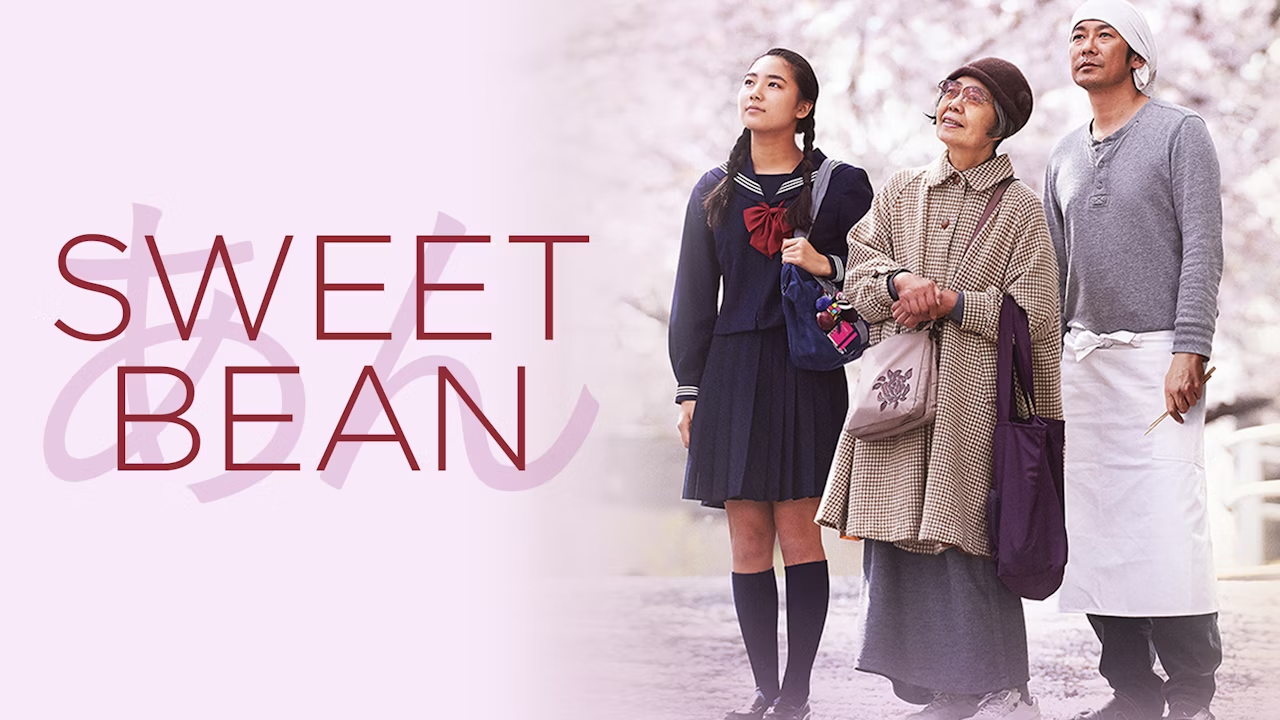
marwaarsanios.info – “Sweet Bean,” directed by Naomi Kawase, is a poignant Japanese drama that debuted in 2015. Known in Japan as “An,” the film is a heartwarming narrative that explores themes of connection, redemption, and the simple joys of life. Based on the novel by Durian Sukegawa, “Sweet Bean” invites audiences into a world where food becomes a medium for healing and understanding.

Plot Overview

Setting and Characters

The story unfolds in a modest bakery in suburban Tokyo, where Sentaro, played by Masatoshi Nagase, struggles to run a dorayaki shop. Dorayaki are traditional Japanese pancakes filled with sweet bean paste, and Sentaro’s life revolves around his small, unremarkable business. His mundane routine takes an unexpected turn when he meets Tokue, an elderly woman portrayed by Kirin Kiki, who offers to help him with her exceptional sweet bean paste recipe.

Storyline

Initially reluctant, Sentaro is persuaded by Tokue’s enthusiasm and culinary skill. As they work together, Tokue’s secret ingredient transforms the shop’s fortunes. However, Tokue harbors a painful secret from her past, which gradually unfolds, revealing deeper layers of her character. The film explores the evolving relationship between Sentaro and Tokue, alongside a young schoolgirl named Wakana, played by Kyara Uchida, who becomes a regular visitor to the shop.

Themes and Analysis

The Power of Food and Connection

“Sweet Bean” beautifully illustrates how food can bridge gaps between people. Tokue’s sweet bean paste is more than just a culinary delight; it symbolizes love, patience, and the ability to bring people together. Through shared meals and conversations, the characters find solace and understanding in one another, highlighting the film’s central theme of connection.

Redemption and Acceptance

The film delves into themes of redemption, particularly in Sentaro’s character arc. Burdened by past mistakes and a sense of unfulfillment, Sentaro’s interactions with Tokue and Wakana lead him towards personal growth and acceptance. Tokue’s story, intertwined with themes of societal prejudice and resilience, underscores the film’s message of empathy and forgiveness.

Cinematic Techniques

Direction and Visual Style

Naomi Kawase’s direction is marked by a gentle, contemplative style that emphasizes the film’s emotional depth. The cinematography captures the natural beauty of the changing seasons, mirroring the characters’ internal transformations. The film’s pacing allows viewers to savor each moment, much like the characters savor the dorayaki.

Performances

Kirin Kiki delivers a standout performance as Tokue, infusing her character with warmth and wisdom. Masatoshi Nagase portrays Sentaro with subtlety, capturing the character’s journey from cynicism to hope. The chemistry between the cast members enhances the film’s heartfelt narrative.

Conclusion

“Sweet Bean” is a touching film that resonates with its audience through its universal themes and endearing characters. It is a testament to the power of friendship, food, and the human spirit. For viewers seeking a story that combines culinary artistry with profound life lessons, “Sweet Bean” offers a delightful and moving cinematic experience.

The Wild Pear Tree (Ahlat Ağacı): A Journey Through Life and Art

marwaarsanios.info – “The Wild Pear Tree” (Ahlat Ağacı) is a Turkish drama film directed by the acclaimed filmmaker Nuri Bilge Ceylan. Released in 2018, this film is a profound exploration of personal ambition, familial relationships, and the struggles of coming of age. Known for his contemplative storytelling and stunning cinematography, Ceylan once again delivers a masterful work that resonates deeply with audiences.

Plot Overview

The film follows the journey of Sinan, a young, aspiring writer who returns to his rural hometown after graduating from university. With dreams of publishing his first novel, Sinan faces the harsh realities of life, including the financial struggles of his family and the burden of his father’s gambling addiction. As Sinan grapples with his ambitions and the expectations of those around him, he embarks on a journey of self-discovery and introspection.

Themes and Symbolism

“The Wild Pear Tree” delves into several themes, including the conflict between individual aspirations and familial obligations. Sinan’s character embodies the universal struggle of young adults trying to carve out their paths while dealing with the pressures of adulthood. The wild pear tree itself serves as a powerful symbol, representing resilience and the pursuit of dreams despite adversity.

The film also touches on existential questions and philosophical debates, inviting viewers to reflect on their own lives and the choices they make. Through dialogues and encounters with various characters, Sinan explores themes of identity, purpose, and the nature of art.

Cinematic Style

Nuri Bilge Ceylan is renowned for his distinctive visual style, characterized by long takes, meticulous framing, and a keen eye for detail. In “The Wild Pear Tree,” Ceylan uses the natural landscape of rural Turkey to enhance the narrative, creating a visually mesmerizing experience. The film’s slow pacing allows for deep character development and an immersive exploration of its themes.

Reception and Impact

“The Wild Pear Tree” premiered at the Cannes Film Festival in 2018, where it received critical acclaim for its insightful storytelling and exceptional performances. The film’s nuanced portrayal of human relationships and existential dilemmas resonated with audiences worldwide, solidifying Ceylan’s reputation as one of the most significant contemporary filmmakers.

Conclusion

“The Wild Pear Tree” is a cinematic masterpiece that invites viewers to embark on a reflective journey of life and art. Through its compelling narrative, rich symbolism, and stunning visuals, the film offers an introspective look at the complexities of human existence. Nuri Bilge Ceylan’s work continues to captivate and inspire, leaving a lasting impact on the world of cinema.

“The Missing Gun” (2002): Mystery – Human Complexity

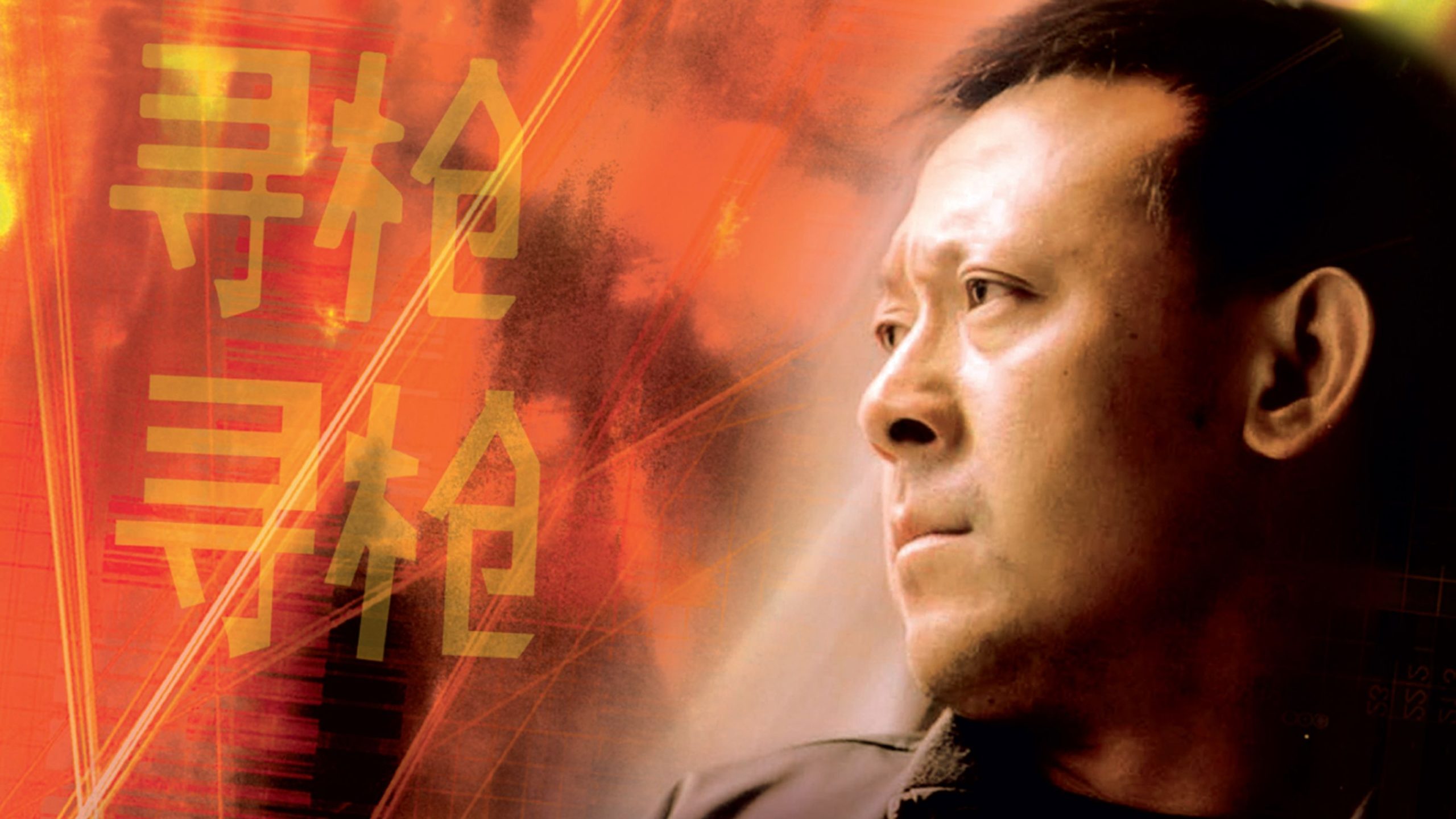
marwaarsanios.info – “The Missing Gun,” directed by Lu Chuan and released in 2002, is a Chinese film that blends elements of mystery, drama, and dark humor. This film, which marks Lu Chuan’s directorial debut, captures the essence of human nature and societal pressures through the lens of a seemingly simple yet profoundly impactful narrative.

Plot Overview:

Set in a small town in the Guizhou province, the story follows Ma Shan, a police officer played by Jiang Wen. After a night of heavy drinking at his sister’s wedding, Ma Shan wakes to find his service revolver missing—a situation that spirals into a frantic search, not just for the gun but for his own sense of responsibility and identity. The missing gun, loaded with three bullets, becomes a looming threat, potentially transforming Ma Shan’s mistake into a deadly catastrophe.

Themes and Symbolism:

The film explores themes of personal accountability, the burden of duty, and the societal expectations placed upon individuals. The gun itself serves as a powerful metaphor for authority and control, and its absence represents Ma Shan’s lost grip on his own life. The narrative delves into the psychological turmoil experienced by the protagonist as he confronts his fears and doubts.

Cinematic Style:

Lu Chuan employs a realistic style with elements of suspense that keep the audience engaged. The film’s cinematography captures the stark yet beautiful landscapes of rural China, providing a backdrop that enhances the film’s introspective tone. The use of dark humor and surreal sequences further enrich the storytelling, making it both entertaining and thought-provoking.

Cultural Impact and Reception:

Upon its release, “The Missing Gun” received critical acclaim for its storytelling and Jiang Wen’s compelling performance. It was praised for its fresh take on the crime drama genre within Chinese cinema and was well-received at various international film festivals, including the Venice Film Festival, where it was part of the “Upstream” section. The film’s exploration of universal themes resonated with audiences, contributing to its status as a noteworthy entry in early 21st-century Chinese cinema.

Conclusion:

“The Missing Gun” is more than a tale of a missing firearm; it is a profound exploration of the human condition and the societal constructs that define us. Lu Chuan’s debut film remains a testament to his storytelling prowess and his ability to weave complex narratives that challenge and entertain audiences. As we revisit this film, we are reminded of the delicate balance between duty and desire, and the perpetual quest for personal redemption.

Exploring the World of WALL-E: A Beloved Animated Classic

marwaarsanios.info – Released in 2008, Disney-Pixar’s “WALL-E” captured the hearts of audiences worldwide with its unique storytelling, charming characters, and thought-provoking themes. Directed by Andrew Stanton, this animated film takes viewers on an interstellar journey, exploring environmental conservation, the impact of technology, and the enduring power of love and hope.

The Story of WALL-E:

Set in a dystopian future where Earth has been abandoned due to excessive pollution and waste, “WALL-E” introduces us to its titular character, a small waste-collecting robot. WALL-E is an acronym for Waste Allocation Load Lifter: Earth-Class. For centuries, WALL-E has been dutifully tidying up the planet, compacting trash into small cubes and stacking them to form towering skyscrapers of waste. Despite the desolation around him, WALL-E displays a surprising level of curiosity and humanity, collecting interesting artifacts and dreaming of companionship.

Themes and Messages:

  1. Environmental Conservation:
    At its core, “WALL-E” serves as a powerful commentary on environmental degradation and the consequences of unchecked consumerism. The film highlights the importance of sustainable living and the urgent need to address pollution and waste management issues. By depicting a future where Earth becomes uninhabitable, “WALL-E” encourages viewers to reflect on their environmental responsibilities.
  2. Technology and Humanity:
    The film also explores the relationship between humans and technology. In “WALL-E,” humans have become entirely reliant on technology, living aboard the Axiom, a spaceship where they lead sedentary lives, disconnected from the natural world. Through the lens of this futuristic society, the film questions the impact of technological advancements on human connection, health, and independence.
  3. Love and Hope:
    Despite its heavy themes, “WALL-E” is ultimately a story about love and hope. The relationship between WALL-E and EVE, a sleek probe robot sent to Earth to search for signs of life, is central to the narrative. Their bond exemplifies the power of love to inspire change and overcome adversity. WALL-E’s determination to protect a single plant he discovers symbolizes hope for a brighter future.

Visual and Musical Excellence:

“WALL-E” is renowned for its stunning animation and visual storytelling. The film relies heavily on visual cues and minimal dialogue, allowing the characters’ expressions and actions to convey emotion and narrative. Composer Thomas Newman’s evocative score further enhances the film’s atmosphere, capturing the loneliness of WALL-E’s world and the joy of newfound companionship.

Conclusion:

“WALL-E” is more than just an animated film; it’s a heartfelt narrative that resonates with audiences of all ages. By blending entertainment with profound social messages, “WALL-E” encourages viewers to reflect on their impact on the environment and the importance of human connection. Its enduring legacy lies in its ability to inspire change while reminding us of the beauty and resilience of our planet and the power of love to transcend even the bleakest circumstances.

The Cinematic Masterpiece: “Black”

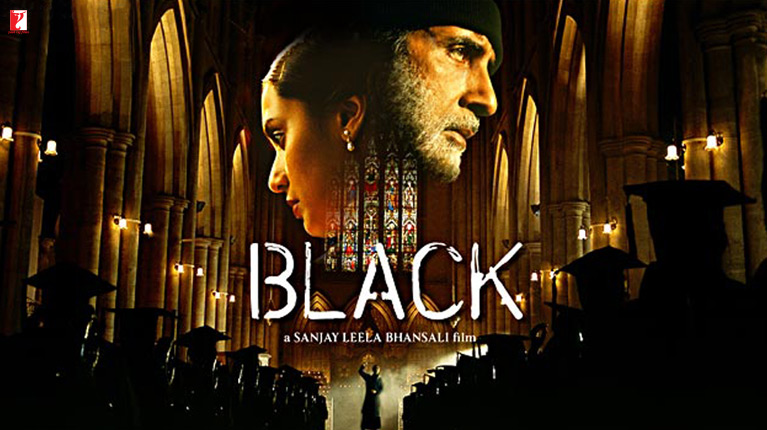
marwaarsanios.info – “Black” is a critically acclaimed Indian film directed by Sanjay Leela Bhansali, released in 2005. This film stands out for its unique storyline, compelling performances, and exceptional direction, contributing to its status as a masterpiece in Indian cinema. Below, we’ll explore the various aspects that make “Black” a standout film.

Plot and Themes

The narrative of “Black” is inspired by the life of Helen Keller and revolves around the relationship between a deaf-blind girl, Michelle McNally, played by Rani Mukerji, and her teacher, Debraj Sahai, portrayed by Amitabh Bachchan. The film explores themes of perseverance, hope, and the transformative power of education. Michelle’s journey from darkness to light, both literally and metaphorically, is a testament to human resilience and the impact of unwavering mentorship.

Stellar Performances

The performances in “Black” are nothing short of extraordinary. Amitabh Bachchan’s portrayal of Debraj Sahai is intense and deeply moving, capturing the complex shades of a devoted yet flawed mentor. Rani Mukerji delivers a powerful performance as Michelle, effectively conveying the challenges faced by her character with sensitivity and authenticity. Their on-screen chemistry adds depth to the narrative, making their interactions both poignant and inspiring.

Direction and Cinematography

Sanjay Leela Bhansali’s direction is a key factor in the film’s success. Known for his attention to detail and aesthetic sensibility, Bhansali crafts a visually stunning film that complements its emotional depth. The use of lighting and color in “Black” is particularly noteworthy, symbolizing Michelle’s journey from darkness to enlightenment. The cinematography by Ravi K. Chandran enhances the film’s emotional impact, creating an immersive experience for the audience.

Critical Acclaim and Awards

“Black” received widespread critical acclaim upon its release, both for its artistic merit and its emotional resonance. The film garnered numerous awards, including several National Film Awards and Filmfare Awards. Its success extended beyond India, with international audiences appreciating its universal themes and exceptional storytelling.

Legacy and Impact

The legacy of “Black” continues to influence filmmakers and audiences alike. It is often cited as a benchmark for Indian cinema, showcasing the potential of films that prioritize storytelling and character development. The film’s success paved the way for more diverse narratives within the Indian film industry, encouraging filmmakers to explore unconventional themes and characters.

In conclusion, “Black” is a cinematic triumph that combines powerful performances, masterful direction, and a compelling narrative to create an unforgettable viewing experience. Its exploration of human perseverance and the transformative power of education remains relevant and inspiring, making it a timeless classic in the annals of cinema.

The Titanic: A Legendary Maritime Tragedy

marwaarsanios.info – The Titanic remains one of the most iconic maritime tragedies in history. Its story is a blend of human ambition, technological marvel, and tragic loss. The ship’s dramatic sinking has captured the imagination of people worldwide for over a century.

Construction and Design

The RMS Titanic was a British passenger liner, constructed by the White Star Line in Belfast, Northern Ireland. Designed by J. Bruce Ismay and Thomas Andrews, the Titanic was intended to be the epitome of luxury and safety. It was the largest ship afloat at the time, measuring 882 feet in length and weighing over 46,000 tons. The ship boasted advanced safety features, including watertight compartments and remotely activated watertight doors.

The Ill-fated Voyage

The Titanic set sail on its maiden voyage from Southampton to New York City on April 10, 1912. On board were over 2,200 passengers and crew, ranging from wealthy industrialists to immigrants seeking a new life in America. The ship was a floating palace, offering opulent accommodations and amenities.

Collision with the Iceberg

On the night of April 14, 1912, the Titanic struck an iceberg in the North Atlantic Ocean. Despite the ship’s advanced design, the iceberg caused a series of punctures along its starboard side. The ship’s crew quickly realized that the damage was catastrophic and that the Titanic would soon sink.

The Sinking

The Titanic’s sinking was a chaotic and tragic event. Lifeboats were in short supply and many were launched half-full due to poor organization and panic. As the bow of the ship sank deeper into the water, passengers and crew struggled to find a way to safety. At 2:20 a.m. on April 15, the Titanic disappeared beneath the ocean waves.

Aftermath and Legacy

Of the 2,224 people on board, more than 1,500 perished in the icy waters. The disaster shocked the world and led to major changes in maritime regulations, including improvements in lifeboat requirements and ship safety protocols. The tragedy of the Titanic has been memorialized in books, films, and exhibitions, ensuring that the story of this “unsinkable” ship continues to resonate.

Conclusion

The Titanic’s story is a poignant reminder of the limits of human ambition and the unpredictable power of nature. Its legacy lives on, not only as a cautionary tale but also as a symbol of an era defined by innovation and exploration.