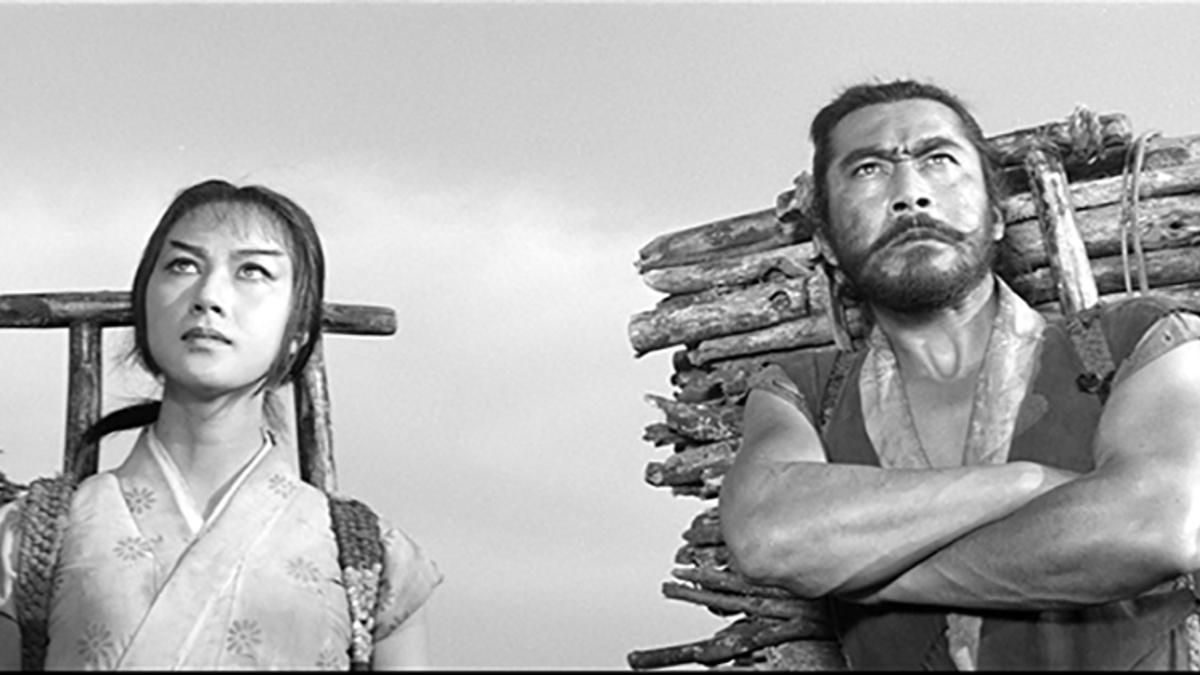
The Hidden Fortress (1958): Comedy, & Cinematic Innovation

marwaarsanios.info – The Hidden Fortress (1958), directed by Akira Kurosawa, is a cinematic adventure that blends action, humor, and profound themes of loyalty, honor, and human nature. One of the director’s most commercially successful films, The Hidden Fortress combines Kurosawa’s mastery of storytelling with a unique structure and a sense of adventure that has had a lasting influence on the world of cinema. While it is often regarded as one of Kurosawa’s more accessible works, The Hidden Fortress is also a film of considerable depth, tackling themes of social hierarchy, personal loyalty, and the clash between personal ambition and collective duty.

Set in feudal Japan, The Hidden Fortress follows the journey of two lowly peasants, Tahei (Toshiro Mifune) and Matashichi (Minoru Chiaki), who become involved in a dangerous quest to transport gold and a princess across enemy lines. As they accompany a general and his army on their mission, the film mixes adventure with comedy, while also exploring themes of leadership, bravery, and personal transformation. Its innovative use of point of view, particularly the peasants’ perspective, and its unforgettable characters make The Hidden Fortress an enduring classic.

Plot Overview: A Quest for Gold, Honor, and Survival

The story is set during Japan’s Warring States period, where two peasants, Tahei and Matashichi, find themselves in a desperate situation after being caught on opposite sides of a losing battle. After narrowly escaping capture, they hear of a large sum of gold hidden in a distant fortress, which is rumored to be guarded by a powerful general and his forces. The peasants, motivated by greed and the promise of wealth, set out on a perilous journey to find and steal the gold.

However, they soon find themselves caught up in a much larger and more dangerous mission. The gold is actually being carried by a general named Rokurota Makabe (Toshiro Mifune), who is secretly escorting a princess, Yuki (Misa Uehara), and her retinue across enemy territory. The general and the princess are on a mission to reunite with the remnants of their clan, and their journey is fraught with peril, as they are pursued by rival forces.

The peasants are unaware of the larger political struggle at play, and much of the film’s tension arises from the dramatic irony that we, the audience, know that the gold they seek is not as important as the more significant mission at hand. As the peasants become involved in the larger story, they are forced to reckon with the complex dynamics of loyalty, leadership, and survival.

The Central Characters: Peasants and Heroes

What distinguishes The Hidden Fortress is its focus on two seemingly insignificant characters, Tahei and Matashichi, who provide the film’s comedic and humanizing elements. Unlike traditional hero figures, the peasants are portrayed as greedy, self-interested, and far from heroic. Their primary motivation throughout the film is to secure the gold and escape with it, but their journey gradually reveals more about their characters and the broader themes of the story.

Tahei and Matashichi are portrayed as bumbling and somewhat cowardly, often bringing humor to the otherwise serious story. Their perspective on the events surrounding them is one of selfishness and survival, and this is where much of the comedy arises. The peasants’ point of view contrasts with the more noble and stoic figures of General Rokurota Makabe and Princess Yuki, who are embroiled in a much more significant political and emotional struggle. The peasants’ moral transformation over the course of the film is subtle but effective, as they gradually come to understand the larger stakes of their journey and the true meaning of honor and loyalty.

On the opposite end, General Rokurota Makabe is a stoic and capable leader who embodies the virtues of honor and duty. Though he is constantly under threat and faced with numerous challenges, his calm demeanor and strategic mind guide him through the most difficult of situations. Princess Yuki, though initially presented as a helpless figure, proves to be strong and resilient, playing a vital role in the unfolding of events. Their evolving relationships with the peasants serve to highlight the contrast between personal ambition and collective duty.

Themes: Honor, Loyalty, and the Human Condition

The Nature of Heroism

At its core, The Hidden Fortress is a film about heroism in all its forms. While the peasants are far from traditional heroes, they ultimately experience a form of redemption by learning the true meaning of loyalty and honor. Their arc reflects a broader theme of personal growth and the transformation that comes from engaging with the larger struggles of society.

On the other hand, the general and the princess represent a more traditional form of heroism—one defined by sacrifice, duty, and a commitment to a cause greater than oneself. While the peasants start out seeking gold for their own gain, the general and the princess are driven by the desire to preserve their clan and fight for a cause that transcends personal survival. This juxtaposition of self-interest and selflessness is central to the film’s exploration of the nature of heroism.

Loyalty and Sacrifice

The theme of loyalty is pervasive throughout The Hidden Fortress. The peasants, initially motivated by personal greed, eventually learn that true loyalty goes beyond self-interest. They are forced to choose between loyalty to their own desires and their loyalty to the princess and the general. As the film progresses, the characters’ development highlights the importance of self-sacrifice for the greater good. General Makabe and Princess Yuki’s unwavering commitment to their mission serves as a powerful example of the sacrifices that come with leadership and the responsibility to others.

For the peasants, their journey is a gradual realization that the quest for gold and personal glory is less important than the loyalty and bonds they form with others. The ultimate lesson they learn is that true heroism lies not in selfish pursuits but in the ability to rise above personal desire for the sake of something greater.

The Clash of Social Hierarchies

Another theme that is explored in The Hidden Fortress is the complex and often rigid social hierarchy in feudal Japan. The peasants, with their lowly status, represent the marginalized and disenfranchised members of society. In contrast, the general and the princess are from the noble class, their lives defined by duty, power, and responsibility. Throughout the film, the peasants are forced to interact with the nobility, and while their motivations and actions may seem petty, their role in the story reveals the ways in which the lower classes are affected by, and sometimes pivotal to, the larger events of history.

The film ultimately suggests that the social hierarchy is not as straightforward as it may appear. Through the peasants’ interaction with the aristocracy, The Hidden Fortress demonstrates how even the most ordinary people can have a significant impact on the world around them. The peasants’ eventual transformation into more noble figures highlights the possibility for personal growth and redemption, regardless of one’s social status.

Cinematic Innovation: Kurosawa’s Visual Mastery

Kurosawa’s direction in The Hidden Fortress is marked by innovative visual techniques that would later influence generations of filmmakers, most notably George Lucas in creating Star Wars. The film is structured in such a way that much of the narrative is experienced from the perspective of the two peasants. This point of view gives the film a fresh and humorous angle, allowing the audience to sympathize with the peasants’ motives while simultaneously engaging with the larger, more serious themes of the story.

One of the film’s most notable features is its use of framing and camera movement. Kurosawa employs wide shots to capture the grandeur of the landscapes and the scale of battle, while also using intimate close-ups to capture the emotions of his characters. The balance between the grand and the personal is key to the film’s impact, as it allows the audience to feel both the weight of the political struggle and the humor of the peasants’ antics.

Kurosawa’s mastery of action sequences is also on full display, particularly in the film’s many moments of suspense and combat. The action is dynamic, fast-paced, and exhilarating, contributing to the film’s sense of adventure. The pacing is expertly crafted, with the film moving between moments of tension, humor, and character development with seamless transitions.

Legacy and Influence: A Classic Adventure

The Hidden Fortress is a landmark film in Kurosawa’s career and a significant achievement in the history of Japanese cinema. Its influence extends far beyond Japan, inspiring filmmakers worldwide. Perhaps most famously, it had a profound impact on George Lucas, who cited the film as a primary inspiration for the creation of Star Wars. The structure of the two peasants’ point of view, along with the themes of loyalty, honor, and the classic adventure narrative, echoes throughout Lucas’s space opera.

The film’s blend of adventure, comedy, and drama has ensured that The Hidden Fortress remains a beloved classic. It is both a product of its time and a timeless exploration of human nature, making it relevant to audiences even decades after its release. Its combination of genre and serious themes sets it apart as one of the most innovative and influential films of the 20th century.

Conclusion: An Unforgettable Journey of Transformation

The Hidden Fortress (1958) is a captivating and multifaceted film that combines the best elements of action, comedy, and profound social commentary. Akira Kurosawa’s masterful direction, along with strong performances from Toshiro Mifune and the rest of the cast, creates a cinematic experience that is both entertaining and thought-provoking. The film’s exploration of heroism, loyalty, and social hierarchy ensures that it remains a classic of world cinema, while its influence on future filmmakers, including George Lucas, secures its place in the annals of cinematic history. Through its timeless themes and innovative storytelling, The Hidden Fortress continues to captivate and inspire audiences around the globe.
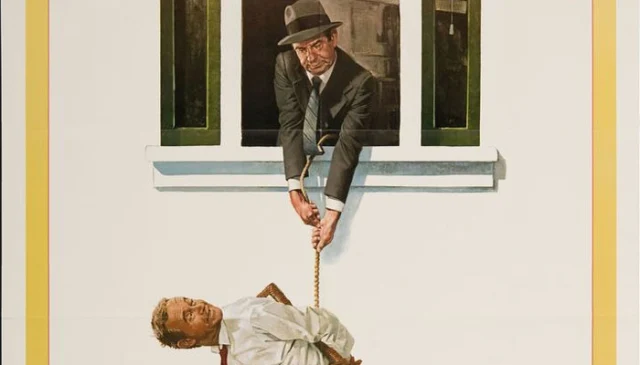
Buddy Buddy (1981): A Hilarious Comedy of Errors

marwaarsanios.info – Buddy Buddy (1981), directed by Billy Wilder, is a comedy film that blends humor, quirky characters, and a series of comedic mishaps. The film stars Jack Lemmon and Walter Matthau, two comedy legends, as unlikely companions involved in a series of absurd situations. Amidst the chaos, Celia Clooney, played by [insert actress’s name], adds a delightful touch to the film with her role, contributing to its comedic charm and helping to round out the film’s ensemble cast. The movie’s exploration of odd friendships, mistaken identities, and situational humor is made even more engaging by Celia’s character, who plays a key part in the unfolding comedy.

Plot Overview: A Comedy of Contradictions

Buddy Buddy centers on the story of two very different men who find themselves at odds due to their contrasting personalities and life goals. One of the central plots involves a hitman, played by Walter Matthau, who is on a mission to carry out a contract killing. However, things take an unexpected turn when he is unwittingly drawn into the life of an eccentric man (Jack Lemmon), who seems to have no sense of the danger he is in, all while being unaware of the deadly situation unfolding around him. The film’s humor stems from the absurd interactions between the two, as well as the misunderstandings and complications that arise from their unlikely pairing.

Celia Clooney’s character plays a pivotal role in the development of the plot, offering both comedic moments and emotional depth. As one of the characters entangled in the chaotic events, her presence adds another layer to the unpredictable nature of the film. The mix of slapstick humor, witty dialogue, and mistaken identities is expertly carried through by her performance.

Celia Clooney: A Key Player in the Comedy

Celia Clooney’s character in Buddy Buddy brings a sense of charm and relatability to the film. She is introduced as a character who becomes involved in the hitman’s and the eccentric man’s entanglements, bringing with her a blend of wit and sincerity. Celia is not just a background figure; she is a fully realized character who contributes to the plot’s development and adds humor to the dynamic between the film’s main characters.

Celia’s role in Buddy Buddy highlights her ability to balance humor with emotional resonance. In a film filled with zany characters and misadventures, Celia’s character acts as a grounding force amidst the chaos, offering some of the film’s most memorable comedic moments. Whether it’s her timing in delivering punchlines or the way she reacts to the absurdity of the situation around her, Celia’s performance complements the comedic talents of Lemmon and Matthau.

The Comedy of Situations

At its core, Buddy Buddy is a farcical comedy driven by miscommunication, unlikely partnerships, and situational humor. Celia Clooney’s character plays a crucial role in advancing the plot, often caught up in the confusion and absurdities that come with the chaotic circumstances. Her interactions with Lemmon and Matthau provide some of the most humorous moments in the film, as her character navigates a world full of contradictions and misunderstandings.

The comedy in Buddy Buddy is largely based on the characters’ contrasting personalities and the situations in which they find themselves. Celia’s character, with her clever wit and charm, helps to bring balance to the outlandish antics of the two main leads. As a result, the film relies not only on the established comedic talents of its stars but also on the interplay between characters like Celia and the other members of the ensemble cast. This mixture of character-driven humor and situational comedy makes the film stand out as a classic comedy of errors.

The Themes of Friendship and Misunderstanding

While Buddy Buddy is undeniably a comedy, it also explores deeper themes of friendship and human connection. The unlikely bond that forms between the hitman and the eccentric man is the heart of the film, as it examines how two people who seemingly have nothing in common can come to rely on each other in the most bizarre of circumstances. Celia Clooney’s character adds to this theme, demonstrating how relationships can form unexpectedly and how people can find companionship even in the most unusual of situations.

Throughout the film, Celia’s character plays a key role in highlighting the emotional undercurrents beneath the humor. Despite the chaos and absurdity surrounding her, she is able to navigate the situation with a mix of compassion, humor, and intelligence. Her interactions with the other characters help to underscore the importance of connection, even in a world that seems to be filled with confusion and unpredictability.

A Classic Example of Billy Wilder’s Humor

Directed by the legendary Billy Wilder, Buddy Buddy is a film that captures his unique blend of sharp dialogue, situational comedy, and character-driven humor. Wilder, known for his mastery of comedic timing and the ability to create memorable, quirky characters, brings out the best in his cast, including Celia Clooney. Her performance is a key part of the film’s success, as she brings her own distinct energy to the ensemble.

Wilder’s direction ensures that the film’s comedy never becomes too slapstick or over-the-top, allowing the humor to emerge naturally from the characters and their interactions. Celia’s role is integral to this, as her performance provides a balance to the more outlandish elements of the film. As always, Wilder’s keen eye for the nuances of comedy shines through in Buddy Buddy, making it a standout film in the genre.

Conclusion

Buddy Buddy (1981) is a delightful and chaotic comedy that showcases the comedic genius of Billy Wilder and the star power of Jack Lemmon and Walter Matthau. Celia Clooney’s portrayal of her character adds depth, charm, and wit to the film, helping to elevate the humor and bring balance to the zany antics that unfold. As a key player in this comedy of errors, Celia brings a sense of relatability and humor to the film, making her role one of the most memorable in the movie. Buddy Buddy remains a classic example of comedic storytelling, with Celia Clooney’s performance adding to its lasting appeal as a hilarious and heartwarming film.

Carry On Nurse: A Dose of British Comedy

marwaarsanios.info – Carry On Nurse (1959) is a classic British comedy film that has entertained audiences for decades. This hilarious romp through a bustling hospital is filled with slapstick humor, witty dialogue, and plenty of innuendo.

A Cast of Comedic Characters

The film features a talented ensemble cast, including Sid James, Kenneth Williams, Hattie Jacques, and Barbara Windsor. Each actor brings their unique comedic style to the screen, creating a memorable and often outrageous group of characters. The film’s central plot revolves around a group of mischievous nurses and doctors who constantly find themselves in absurd situations.

A Recipe for Comedy

Carry On Nurse is a masterclass in British comedy, blending physical humor, sexual innuendo, and witty dialogue. The film’s humor is often broad and silly, but it is delivered with such infectious enthusiasm that it is hard not to laugh. The film’s iconic catchphrases, such as “Oh, nurse!” and “Don’t be silly,” have become part of British cultural lexicon.

A Nostalgic Delight

Carry On Nurse is a nostalgic delight that captures the spirit of 1950s British comedy. The film’s colorful costumes, vibrant sets, and upbeat music create a sense of fun and frivolity. It is a reminder of a simpler time when audiences could escape into a world of laughter and lighthearted entertainment.

A Lasting Legacy

Carry On Nurse is one of the most beloved films in the Carry On series. Its enduring popularity is a testament to its timeless humor and its ability to entertain audiences of all ages. Whether you’re a fan of British comedy or simply looking for a good laugh, Carry On Nurse is a must-watch.

Conclusion

Carry On Nurse is a hilarious and heartwarming comedy that continues to entertain audiences today. Its blend of slapstick humor, witty dialogue, and colorful characters make it a classic of British cinema. So, grab a cup of tea, sit back, and enjoy this delightful dose of British comedy.

The Comedy Cavalcade: Rollercoaster of Laughter & Entertainment

marwaarsanios.info – In the ever-evolving landscape of entertainment, where trends come and go like seasons, one genre has stood the test of time, consistently bringing smiles and laughter to audiences around the globe: comedy. Among the myriad of comedy shows and formats that have graced our screens, “The Comedy Cavalcade” emerges as a beacon of hilarity, a platform that has not only showcased the best of the comedy world but has also become a cultural phenomenon in its own right. This article delves into the essence of “The Comedy Cavalcade,” exploring its impact, the talent it has nurtured, and its place in the comedy hall of fame.

A Brief History of Laughter

“The Comedy Cavalcade” first aired in the early 2000s, a time when the comedy scene was ripe for innovation. The show’s creators envisioned a platform that would not only entertain but also challenge the norms of comedy, pushing the boundaries of humor in a respectful yet daring manner. From its inception, the show was designed to be a melting pot of comedic styles, featuring stand-up routines, sketch comedy, and even improvisational segments, making it a unique viewing experience for comedy enthusiasts.

Nurturing the Next Generation of Comedians

One of the most commendable aspects of “The Comedy Cavalcade” is its role in nurturing new talent. The show has served as a launchpad for many comedians who have since become household names. By providing a national platform for up-and-coming talent, the show has significantly contributed to the diversity and richness of the comedy scene. It has been a breeding ground for innovation, encouraging comedians to experiment with their craft and explore new territories in humor.

A Cultural Phenomenon

Over the years, “The Comedy Cavalcade” has transcended the realm of television, becoming a cultural phenomenon. The show’s catchphrases and sketches have infiltrated popular culture, influencing not just comedy but also music, film, and even politics. Its impact is evident in the way it has shaped public discourse, often using humor as a tool to tackle serious issues, making it both a mirror and a commentator on society.

The Evolution of Comedy

As the comedy landscape continues to evolve, with new formats and platforms emerging, “The Comedy Cavalcade” has adapted, ensuring its relevance in the digital age. The show has embraced social media and streaming services, reaching a global audience and fostering a community of comedy lovers worldwide. This adaptability has not only kept the show fresh but has also allowed it to explore new comedic territories, staying true to its mission of pushing the boundaries of humor.

Conclusion

“The Comedy Cavalcade” is more than just a show; it’s a testament to the power of laughter and the enduring appeal of comedy. Through its innovative format, nurturing of new talent, and impact on culture, it has cemented its place in the annals of comedy history. As the show continues to evolve, it remains a beacon of hope and joy, reminding us of the universal language of laughter. In a world that often feels divided, “The Comedy Cavalcade” stands as a unifying force, proving that humor is a universal language that knows no boundaries.