Wild Pansy Flower: A Delicate & Resilient Beauty of the Wild

marwaarsanios.info – The Wild Pansy (Viola tricolor), also known as the Heartsease, is a small, vibrant flower native to Europe and parts of Asia. Celebrated for its delicate, multi-colored petals and resilience in diverse environments, the Wild Pansy has earned its place as a beloved wildflower and a symbol of natural beauty. With its cheerful blooms and adaptability, this flower thrives in various habitats, including fields, meadows, and even cracks in pavements. Often regarded as a symbol of love, admiration, and remembrance, the Wild Pansy is more than just a pretty flower—it’s an enduring symbol of nature’s elegance and resilience.

Appearance and Characteristics

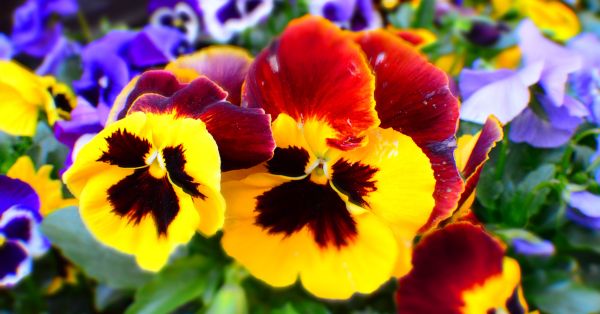
The Wild Pansy is a low-growing, herbaceous perennial that typically reaches a height of 6 to 12 inches (15 to 30 cm). Its heart-shaped leaves are dark green and often have slightly jagged edges. The plant produces striking, five-petaled flowers that are usually a combination of purple, yellow, white, and blue, with distinct dark markings at the center. These vivid colors make the flower easily recognizable and give it a cheerful, whimsical appearance. The petals are typically arranged in such a way that the flower appears to “smile,” with the lower petal forming a “mouth” and the upper petals forming the “eyes.”

The Wild Pansy blooms primarily in the spring and early summer, producing flowers that attract a variety of pollinators, including bees, butterflies, and other insects. The blooms are usually about 1 to 2 inches (2.5 to 5 cm) across and appear in clusters at the top of the plant. After blooming, the plant produces small seed pods that contain the seeds, which can easily spread in the wind or by other natural means.

Habitat and Distribution

The Wild Pansy is native to the temperate regions of Europe and Asia but has also become widely naturalized in North America and other parts of the world. It prefers well-drained, slightly acidic to neutral soils and thrives in areas with ample sunlight. Wild Pansies can be found in a variety of habitats, including meadows, grasslands, woodland edges, and road verges. It is also common in disturbed areas, such as farmland and garden beds, where the plant’s seeds may have been introduced.

Due to its hardiness and ability to adapt to different growing conditions, the Wild Pansy can often be found growing in unexpected places, such as along the edges of trails or in cracks in pavement. This adaptability to a wide range of environments has contributed to its success as a wildflower in many regions.

Ecological Importance

The Wild Pansy plays an important role in local ecosystems, primarily by attracting pollinators. Its colorful flowers and sweet nectar are particularly attractive to bees and butterflies, which help ensure the plant’s continued reproduction. As a member of the Viola genus, which includes other well-known plants like the garden pansy, the Wild Pansy is an essential part of many ecosystems, supporting biodiversity by providing a food source for pollinators.

Additionally, the Wild Pansy is a host plant for certain species of butterflies, such as the Common Blue (Polyommatus icarus) and the Pansy Butterfly (Junonia almana), which lay their eggs on the leaves of the plant. Once hatched, the caterpillars feed on the leaves, completing their life cycle.

Because of its wide distribution and ability to grow in a variety of environments, the Wild Pansy also contributes to soil stabilization in areas that are prone to erosion, such as embankments and bare soil patches. This resilience makes it an important plant for maintaining ecosystem health.

Growing and Caring for Wild Pansy

The Wild Pansy is an easy-to-grow flower that thrives in many garden environments. It is well-suited for wildflower gardens, rock gardens, and even container plantings. If you are interested in cultivating Wild Pansy flowers in your garden, here are some essential tips for care:

  1. Light: Wild Pansies prefer full sun to partial shade. They will bloom most profusely in sunny locations but can tolerate some light shade, especially in hotter climates. A spot that receives 4 to 6 hours of sunlight each day is ideal.
  2. Soil: Wild Pansies prefer well-drained, slightly acidic to neutral soil. They will grow in a variety of soil types but do best in soils that are not too rich or overly fertile. It is important to ensure the soil does not retain too much moisture, as this can cause the plant to become susceptible to rot.
  3. Watering: While Wild Pansies are fairly drought-tolerant once established, they benefit from regular watering during dry spells, particularly when they are actively blooming. Water the plant at the base, being careful not to wet the leaves or flowers, as this can lead to fungal diseases.
  4. Temperature and Climate: Wild Pansies are hardy plants that can tolerate a range of temperatures. They are typically hardy in USDA zones 4 to 9, meaning they can survive cold winters in most temperate climates. In warmer climates, they may act as annuals, while in cooler regions, they are more likely to behave as perennials.
  5. Propagation: Wild Pansies can be propagated from seed or by dividing established plants. To propagate by seed, simply sow the seeds in early spring or late fall in a cold frame or greenhouse. The seeds will often germinate without much fuss, as long as they are kept in a cool, moist environment. If propagating by division, dig up an established plant and separate the root clumps into smaller sections before replanting.
  6. Pruning: Deadheading spent flowers can help encourage new blooms and keep the plant looking tidy. Wild Pansies do not require much pruning, but cutting back any leggy or overgrown stems will help maintain their shape and promote healthy growth.

Medicinal and Cultural Significance

The Wild Pansy has been used for medicinal purposes for centuries, particularly in traditional herbal medicine. It is thought to have mild anti-inflammatory and soothing properties and has been used to treat conditions such as skin irritations, coughs, and sore throats. While it is not commonly used in modern herbalism, the plant’s long history of medicinal use demonstrates its value in traditional remedies.

In addition to its medicinal properties, the Wild Pansy is rich in symbolism. The flower is often associated with love, admiration, and remembrance, making it a popular flower in bouquets and floral arrangements. In the language of flowers, also known as floriography, the Wild Pansy is often used to convey messages of affection and loyalty.

The Wild Pansy also has literary significance and has been featured in works of art, poetry, and folklore. Its vibrant colors and delicate form have inspired artists and writers for centuries, further solidifying its place in cultural history.

Conclusion

The Wild Pansy is a small but mighty flower, beloved for its cheerful blooms, resilience, and cultural significance. Whether growing in the wild or cultivated in gardens, this flower adds a touch of beauty to any landscape. With its ease of care, ecological benefits, and vibrant, multi-colored flowers, the Wild Pansy is a wonderful addition to any garden or natural space. Its historical and symbolic meanings also add depth and richness to its appeal, making it a flower that continues to inspire admiration and love.

Spotted Zygopetalum Flower: Striking Orchid with Bold Patterns

marwaarsanios.info – The Spotted Zygopetalum (Zygopetalum maculatum) is a stunning and unique orchid species renowned for its fragrant, boldly patterned flowers. With its captivating spots and rich, vibrant colors, this orchid makes a dramatic statement in any garden or indoor collection. Native to the cloud forests of South America, particularly in Brazil, the Spotted Zygopetalum thrives in humid, warm environments and is highly valued by orchid enthusiasts for its beauty and aromatic fragrance.

Physical Characteristics of Spotted Zygopetalum

The Spotted Zygopetalum is a medium to large-sized orchid, typically growing between 18 and 30 inches in height. Its thick, leathery leaves emerge from a sympodial growth habit, with pseudobulbs (the swollen, storage organs of the plant) at the base. The plant produces flowering stems, known as inflorescences, which arise from the pseudobulbs and can bear up to several blooms at once.

The flowers of the Spotted Zygopetalum are its most striking feature. They display a combination of rich, dark colors—ranging from deep green and purple to bright white or yellow—and are characterized by their intricate patterns of spots and markings. The petals and lip of the flower are adorned with distinctive purple or maroon spots, creating a striking contrast against the lighter background colors. The flower’s lip is often wide and prominent, with a striking shape that further adds to the flower’s exotic appeal. Each blossom has a waxy texture, which adds to its allure and makes it last longer than many other orchids.

The Spotted Zygopetalum is known for its strong, sweet fragrance that emanates from its flowers, with hints of spice and vanilla. The fragrance is particularly intense during the day, making it a delightful addition to any orchid collection, especially those grown indoors.

Growing Conditions and Care

The Spotted Zygopetalum is an epiphytic orchid, meaning it naturally grows on trees and other structures in its native environment, drawing moisture and nutrients from the air. In cultivation, it requires similar conditions to thrive and produce beautiful blooms. It is an excellent choice for both experienced orchid growers and those just beginning to grow orchids.

  1. Light: The Spotted Zygopetalum thrives in bright, indirect light. Too much direct sunlight can cause the leaves to scorch, while too little light can result in poor growth and fewer blooms. A north- or east-facing window is ideal for growing this orchid indoors.
  2. Temperature: This orchid species prefers moderate temperatures, typically between 60°F and 80°F (15°C to 27°C) during the day. It requires a drop in temperature at night (about 10°F or 5°C) to simulate the natural conditions of its native environment and promote blooming.
  3. Humidity: Like most orchids, the Spotted Zygopetalum thrives in high humidity. A humidity level of 50% to 70% is ideal. To maintain proper humidity levels, consider placing a humidity tray beneath the plant or using a room humidifier. Misting the plant lightly can also help, but care should be taken not to over-wet the foliage.
  4. Watering: The Spotted Zygopetalum needs consistent moisture, but it is essential not to overwater. Water the plant thoroughly when the top inch of the growing medium feels dry to the touch. Use room-temperature water, and be sure to allow any excess water to drain out of the pot to prevent root rot. It is generally better to water the plant less frequently than too often.
  5. Soil and Potting: This orchid should be planted in a well-draining orchid mix, typically consisting of bark, sphagnum moss, and perlite. The mix should allow air to circulate around the roots, which is crucial for the plant’s health. Repotting is recommended every 1-2 years, ideally after the plant has finished flowering, to refresh the growing medium and provide more room for the roots.
  6. Fertilization: The Spotted Zygopetalum benefits from regular fertilization during the growing season. Use a balanced, water-soluble orchid fertilizer, diluted to about one-quarter of the recommended strength. Apply the fertilizer every 2-3 weeks while the plant is actively growing and blooming. During the rest period, reduce fertilization or stop altogether.

Flowering and Maintenance

The Spotted Zygopetalum typically blooms in the fall or early winter, with its fragrant flowers lasting for several weeks. Each bloom cycle produces a number of flowers on a single inflorescence, which can continue to flower for several months. The flowers usually open sequentially, ensuring that there are always new blooms on the plant.

After the plant finishes flowering, it may enter a resting period. During this time, reduce watering and fertilization to encourage the plant to rest and prepare for the next flowering cycle. It’s important not to disturb the plant excessively during this period, as it is essential for maintaining its health and encouraging future blooms.

In addition to proper watering, light, and temperature, the Spotted Zygopetalum also requires periodic cleaning to remove dust and debris from its leaves. This can be done by gently wiping the leaves with a soft cloth or sponge, taking care not to damage the plant.

Ecological Role of Spotted Zygopetalum

In its native environment, the Spotted Zygopetalum is an epiphyte that grows on trees in cloud forests, where it benefits from the high humidity, filtered sunlight, and frequent rainfall. By growing on trees, the orchid avoids competition for nutrients from the forest floor and can access abundant moisture and light.

As a cultivated plant, the Spotted Zygopetalum contributes to the health of ecosystems by attracting pollinators such as bees, moths, and hummingbirds. These pollinators are essential to the plant’s reproduction and ensure the continued health of local plant populations.

Varieties and Cultivars

The Spotted Zygopetalum is a single species, but there are several hybrids and cultivars available, often crossbred with other Zygopetalum species or orchids in the same family. These hybrids typically maintain the Spotted Zygopetalum’s characteristic patterns and fragrance while introducing variations in color, size, and growth habit. Some hybrids include:

  • Zygopetalum ‘Blue Heaven’: A hybrid with blue-toned flowers that retain the distinctive spots of the Spotted Zygopetalum.
  • Zygopetalum ‘Shady Lady’: A hybrid known for its larger flowers and beautiful contrast of purple spots against a pale green background.
  • Zygopetalum ‘Dreamcatcher’: A cultivar with dramatic, darker purple and green flowers, providing a more intense color palette.

Uses in Landscaping and Decoration

The Spotted Zygopetalum is an excellent choice for both indoor and outdoor orchid gardens. It can be grown in hanging baskets, pots, or mounted on trees if conditions allow. Its fragrant flowers make it particularly well-suited for indoor spaces, where it can fill the room with its sweet scent. It also makes a beautiful addition to shaded patios or conservatories.

This orchid can be grown outdoors in warm, tropical or subtropical climates, where it benefits from high humidity and shaded spots. When planted in an outdoor orchid garden, the Spotted Zygopetalum pairs well with other orchids or tropical plants that thrive in similar conditions.

Conclusion

The Spotted Zygopetalum is a stunning orchid known for its exotic, bold flowers and aromatic fragrance. With its distinctive spots, wide lip, and waxy texture, it stands out in any collection of orchids. Though it requires specific growing conditions, it rewards gardeners with beautiful, long-lasting blooms and adds an air of sophistication to both indoor and outdoor settings. Whether you are an orchid enthusiast or new to growing these exquisite plants, the Spotted Zygopetalum is sure to become a prized addition to your garden or home.

Poppy Anemone: A Stunning Addition to Your Garden

marwaarsanios.info – The Poppy Anemone (Anemone coronaria), also known as the “Windflower,” is a vibrant and stunning perennial that has captured the hearts of gardeners worldwide. Known for its bold, colorful blooms and delicate foliage, the Poppy Anemone is a standout in any garden. With its striking poppy-like flowers in shades of red, purple, pink, and white, this plant brings a splash of color and charm to spring and early summer gardens. Native to the Mediterranean region, the Poppy Anemone is prized for its ability to thrive in a variety of growing conditions while adding beauty and elegance to borders, flower beds, and container plantings.

Physical Characteristics

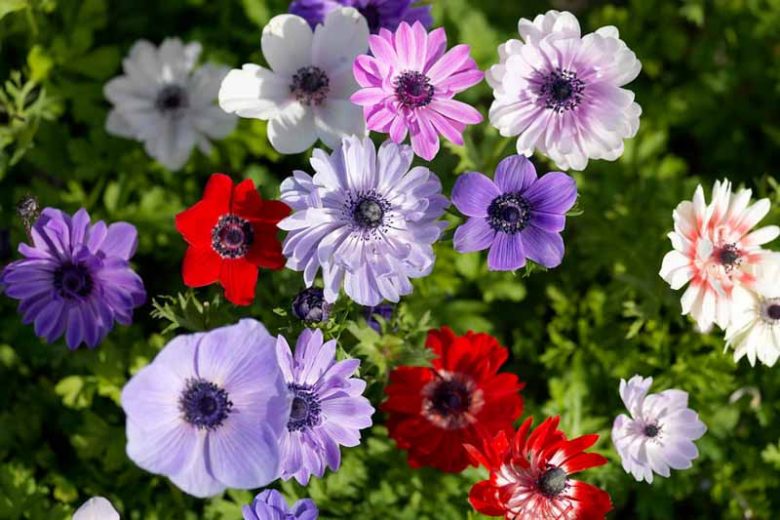
The Poppy Anemone is a herbaceous perennial that typically grows between 12 to 18 inches (30 to 45 cm) tall, making it a great choice for both small and large garden spaces. Its foliage consists of dark green, deeply lobed leaves that form a soft mound around the plant’s central flower stalks. The flowers are the main attraction of the Poppy Anemone, typically measuring about 3 to 4 inches (7.5 to 10 cm) in diameter. The blooms resemble poppies with their bold, flat petals and a prominent central dark eye. The flower colors range from vibrant reds and purples to soft pinks and whites, with some varieties featuring delicate, contrasting markings. The plant blooms in late spring to early summer, often from April to June, and the flowers typically last for several weeks, providing a colorful display during the garden’s peak blooming season.

Growing Conditions

Poppy Anemones thrive in full sun to partial shade and prefer well-drained, fertile soil. They are adaptable to a range of soil types, but they perform best in slightly alkaline to neutral soil. These flowers are relatively drought-tolerant once established, but they do appreciate regular watering, especially during dry spells, to keep their roots hydrated. Poppy Anemones can be planted in borders, flower beds, and containers, and they work well as a feature plant in mixed perennial gardens. While they are generally hardy in USDA zones 6 to 9, they are often grown as annuals or treated as tender perennials in cooler climates, where they can be dug up and stored during the winter months.

The plants can be propagated by dividing the tuberous roots in the fall or early spring. When planting, it’s important to plant the tubers at the proper depth—typically 2 to 3 inches (5 to 7 cm) deep—and ensure they are placed in well-draining soil to avoid waterlogged roots. Mulching around the base of the plants can help protect the tubers during colder months and prevent the soil from drying out during the warmer season.

Uses in Gardening and Landscaping

The Poppy Anemone is an excellent plant for adding vibrant color to gardens in spring and early summer. It works well in mixed perennial borders, flower beds, and as a ground cover where it can provide a burst of color during the growing season. Its low height makes it ideal for planting along the edges of pathways, in rock gardens, or in containers where it can be appreciated from up close. The flowers’ vivid colors also make them a great choice for cutting gardens, as they produce long-lasting blooms that can be used in fresh floral arrangements. The Poppy Anemone pairs beautifully with other early-season flowers like tulips, daffodils, and primroses, creating a dynamic and colorful spring display.

In addition to its ornamental value, the Poppy Anemone attracts pollinators, particularly bees and butterflies, which are drawn to the nectar-rich flowers. By incorporating this plant into a garden, gardeners can help support local pollinator populations while enjoying a beautiful floral display.

Health and Medicinal Benefits

While the Poppy Anemone is primarily grown for its beauty and ornamental appeal, some species in the Anemone genus have been used in traditional medicine. However, it is important to note that the Poppy Anemone itself is not widely used for medicinal purposes, and caution should be exercised when handling or using any part of the plant. Many species of Anemone contain compounds that can be toxic if consumed in large quantities. As such, the Poppy Anemone should be appreciated for its aesthetic qualities rather than its medicinal properties. Always consult a healthcare professional before using any plant for therapeutic purposes.

Ecological Importance

The Poppy Anemone plays a role in supporting pollinators, particularly bees and butterflies, which are attracted to the plant’s nectar-filled blooms. These pollinators are essential for the fertilization of many plants and contribute to the overall health and biodiversity of the garden. By planting Poppy Anemones, gardeners can help support local wildlife while adding beauty and color to their outdoor spaces. The plant’s ability to thrive in a variety of growing conditions also makes it an important component of gardens designed to promote ecological balance and biodiversity.

Conclusion

The Poppy Anemone is a beautiful and versatile perennial that adds a splash of color to gardens in the spring and early summer. With its striking, poppy-like flowers, vibrant colors, and graceful foliage, it is a perfect choice for gardeners looking to create an eye-catching floral display. Whether planted in borders, flower beds, or containers, the Poppy Anemone offers year-round interest with its stunning blooms and minimal care requirements. Its ability to attract pollinators and its adaptability to a range of growing conditions make it a valuable addition to any garden. Whether you’re looking to enhance your garden’s color palette or create a pollinator-friendly space, the Poppy Anemone is sure to delight.

Mexican Bush Sage: A Stunning Addition to Your Garden

marwaarsanios.info – Mexican Bush Sage (Salvia leucantha) is a striking perennial that brings vibrant color and texture to any garden. Known for its tall spikes of velvety purple or white flowers and silvery, aromatic foliage, this plant is a favorite among gardeners for its beauty, resilience, and ability to attract pollinators. Whether used as a focal point, in borders, or in wildflower gardens, Mexican Bush Sage adds a touch of the exotic to outdoor spaces and can thrive in various conditions, making it a versatile and low-maintenance choice.

Origins and Habitat

Native to Mexico, Mexican Bush Sage thrives in hot, sunny climates and is well-suited to dry, well-drained soils. In its native habitat, it can be found in scrublands and open areas where it enjoys the warmth and abundant sunlight. It is particularly adapted to the arid conditions of southwestern United States, Central Mexico, and parts of South America, where it grows naturally in both semi-desert and mountainous environments.

The plant is highly drought-tolerant, making it ideal for xeriscaping and low-water gardens. It can be grown in USDA hardiness zones 7 through 11, and while it is considered a perennial in warmer climates, it is often grown as an annual in cooler regions.

Characteristics and Varieties

Mexican Bush Sage is characterized by its soft, silvery-green leaves and long, upright spikes of tubular flowers. The flowers typically appear in clusters at the top of the plant, creating a striking display of color that contrasts beautifully with the plant’s foliage. The most common flower color is a vibrant purple, but some varieties produce white, pink, or lavender blooms, allowing for a wide range of options in garden design.

The plant has a shrubby growth habit, typically reaching heights of 3 to 5 feet and a similar spread, though it can sometimes grow taller under ideal conditions. Its woody stems give it a slightly architectural look, and it can be pruned to maintain a more compact form if desired. Mexican Bush Sage is often used in the middle or back of borders due to its height, but it can also be planted in masses or as a specimen plant to create a focal point in the garden.

There are several varieties and cultivars of Mexican Bush Sage, each with unique characteristics. Some notable varieties include:

  • ‘Midnight’: This variety is known for its deep, rich purple flowers and compact growth habit, typically reaching about 3 feet tall.
  • ‘Wendy’s Wish’: A cultivar that produces stunning magenta-pink flowers, perfect for adding a splash of bold color to the garden.
  • ‘Santa Barbara’: A slightly smaller cultivar with pale lavender flowers, ideal for more compact garden spaces or containers.

Growing Mexican Bush Sage

Mexican Bush Sage is relatively easy to grow and care for, making it a great choice for both novice and experienced gardeners. It thrives in full sun and requires well-drained soil to prevent root rot. While it is tolerant of poor, dry soils, it will perform best in moderately fertile soil that does not retain excess moisture. It’s an excellent choice for xeriscaping and can handle drought conditions once established.

To grow Mexican Bush Sage, plant it in a sunny location where it will receive at least 6 hours of direct sunlight per day. It can be grown from seed, but it is more commonly propagated from cuttings or purchased as young plants from garden centers. Space the plants about 18 to 24 inches apart to allow for their spreading growth.

Although Mexican Bush Sage is drought-tolerant once established, it benefits from regular watering during the growing season, especially during prolonged dry spells. However, it is important to avoid overwatering, as the plant prefers well-drained soil and does not tolerate soggy conditions.

Pruning is an important part of caring for Mexican Bush Sage. After the plant finishes blooming in the fall, cut it back to the ground to promote fresh growth the following season. This will also help maintain its shape and encourage a fuller, bushier plant. Regular deadheading of spent flowers can help prolong the blooming period and keep the plant looking tidy throughout the season.

Wildlife and Pollinator Benefits

One of the standout features of Mexican Bush Sage is its ability to attract pollinators. The tubular flowers are rich in nectar and draw a variety of pollinators, including hummingbirds, butterflies, and bees. The plant’s long bloom period, typically lasting from late summer through fall, makes it an important late-season nectar source for these creatures.

Its dense flower spikes also provide shelter and habitat for beneficial insects, making Mexican Bush Sage a valuable addition to pollinator gardens. Planting it near other nectar-rich flowers can create a diverse and vibrant ecosystem that supports local wildlife.

Symbolism and Significance

In the language of flowers, Mexican Bush Sage is often associated with love, passion, and vitality due to its vibrant colors and abundant blooms. The deep purple flowers are particularly symbolic of beauty and strength, making them a popular choice for flower arrangements and bouquets.

The plant is also valued in some cultures for its medicinal properties. While not typically used in modern herbal practices, some traditional uses of Salvia leucantha include the preparation of teas and infusions for digestive support and other mild ailments. As with all plants, it is important to research and consult a professional before using any plant for medicinal purposes.

Mexican Bush Sage in Garden Design

Mexican Bush Sage is a versatile plant that can be used in a variety of garden settings. Its tall, upright growth habit and striking flower spikes make it an excellent choice for the back of borders, where it can create vertical interest and add a splash of color. It also pairs beautifully with other heat-tolerant plants such as lantana, verbena, and ornamental grasses, which complement its soft, silvery foliage and provide additional texture.

In addition to its use in borders, Mexican Bush Sage is an excellent plant for attracting pollinators, making it a perfect choice for pollinator gardens or wildlife-friendly landscapes. It can also be grown in containers on patios or balconies, where its vibrant flowers can be enjoyed close up.

Its low-maintenance nature makes it an ideal choice for drought-tolerant gardens, xeriscaping, and areas with poor soil conditions. Whether planted in mass, as a specimen plant, or as part of a mixed perennial garden, Mexican Bush Sage adds beauty, resilience, and ecological value to any garden.

Conclusion

Mexican Bush Sage is a stunning and resilient plant that brings vibrant color, texture, and wildlife benefits to the garden. With its fragrant, velvety flowers, silvery foliage, and ability to attract pollinators, it is a fantastic choice for gardeners looking to create a low-maintenance, pollinator-friendly space. Whether used as a specimen plant, in mixed borders, or as part of a xeriscape garden, Mexican Bush Sage adds beauty and charm from late summer through fall. Its resilience, drought tolerance, and striking flowers make it a must-have for any garden.

Honeycup Flower: A Sweet and Vibrant Addition to Gardens

marwaarsanios.info – The Honeycup flower (Turk’s Cap Lily, Lilium superbum), known for its striking beauty and unique form, is a delightful addition to gardens. With its vibrant, trumpet-shaped blooms and a history that dates back to North American landscapes, the Honeycup flower is cherished for both its ornamental appeal and its role in supporting local ecosystems. In this article, we will explore the characteristics, growing conditions, and benefits of cultivating the Honeycup flower in your garden.

Characteristics of the Honeycup Flower

The Honeycup flower is an elegant perennial known for its large, upward-facing flowers that resemble the shape of a cup or trumpet. The blooms are typically orange to yellow in color, sometimes featuring darker spots or markings, adding to their beauty and vibrancy. Each flower has six petal-like tepals that curl backward, creating an open, star-shaped bloom. These flowers are fragrant and tend to attract pollinators, particularly hummingbirds and bees, due to their bright color and nectar-rich structure.

The Honeycup flower is part of the Lilium family, and as a tall-growing plant, it can reach heights of 4 to 6 feet. Its flowers appear in late summer, typically in July to August, and bloom in clusters along tall stems. The foliage consists of narrow, lance-shaped leaves that grow in whorls around the stem, contributing to the plant’s graceful appearance.

The plant is also known for its sturdy structure, and its ability to thrive in a range of growing conditions makes it an attractive option for gardeners seeking a showy, hardy flower.

Ideal Growing Conditions

While the Honeycup flower is relatively easy to grow, it does have some specific needs to thrive and bloom to its full potential. Here are the essential factors to ensure successful cultivation:

  • Sunlight: Honeycup flowers prefer full sun to partial shade. They thrive in areas that receive at least 6 hours of direct sunlight each day. However, they can tolerate some afternoon shade, especially in warmer climates.
  • Soil: Well-drained, rich soil is essential for the Honeycup flower. The plant prefers loamy or sandy soil that retains some moisture but does not stay soggy. Soil with a slightly acidic to neutral pH is ideal.
  • Watering: Consistent watering is crucial during the growing season, particularly when the flower is establishing roots and during the blooming period. Ensure that the soil stays evenly moist but avoid overwatering, as this can lead to root rot.
  • Temperature: The Honeycup flower is hardy in USDA zones 4 to 9. It thrives in temperate climates with cool to moderate summer temperatures. While it can tolerate some frost, it is best grown in areas with mild winters to ensure its longevity.
  • Fertilizing: Honeycup flowers benefit from periodic feeding with a balanced, slow-release fertilizer. Apply fertilizer in the spring as the plant begins to grow and again after flowering to support continued health and future blooms.

Benefits of Growing Honeycup Flowers

There are numerous reasons to incorporate Honeycup flowers into your garden, from their striking beauty to their ecological benefits. Here are some of the key advantages of growing Honeycup flowers:

  • Attracts Pollinators: Honeycup flowers are particularly attractive to hummingbirds and bees, which are drawn to the nectar-rich blooms. Planting Honeycup flowers in your garden helps support pollinator populations, which are vital for maintaining healthy ecosystems and gardens.
  • Stunning Blooms: The large, trumpet-shaped flowers of the Honeycup are a stunning addition to any garden. Their vibrant colors and unique shape make them an eye-catching focal point, particularly when planted in clusters.
  • Low Maintenance: Once established, Honeycup flowers are relatively low maintenance. They are resistant to many common pests and diseases and are relatively drought-tolerant once their roots are well-developed. This makes them an excellent choice for gardeners seeking a beautiful but easy-to-care-for plant.
  • Versatile Landscaping: Due to their tall, upright growth habit, Honeycup flowers are perfect for creating vertical interest in the garden. They work well in borders, along fences, or in the back of flower beds where they can be appreciated from a distance.
  • Ecological Value: In addition to attracting pollinators, Honeycup flowers support local ecosystems by providing habitat and food sources for various species. By growing these flowers in your garden, you are helping to sustain wildlife and promote biodiversity.

Creative Garden Uses

The Honeycup flower’s striking appearance and pollinator-friendly nature make it a versatile addition to many different types of garden designs. Here are some creative ways to incorporate Honeycup flowers into your landscape:

  • Mixed Flower Borders: Honeycup flowers can be planted in the back of a mixed flower border, where their tall stems and large blooms will add height and drama. Pair them with other late-blooming perennials such as asters, coneflowers, or black-eyed Susans for a colorful, vibrant display.
  • Wildlife Gardens: Since Honeycup flowers attract hummingbirds and bees, they are perfect for wildlife or pollinator gardens. Planting them in areas with other nectar-rich plants will create a haven for pollinators and other beneficial insects.
  • Cut Flowers: The Honeycup flower’s large, showy blooms make it an excellent choice for cut flowers. They can be used in floral arrangements to add color and height to bouquets. Their strong stems also make them ideal for long-lasting displays.
  • Naturalized Gardens: Honeycup flowers are perfect for creating naturalized or informal garden designs. Their height and elegant appearance can be complemented by planting in wildflower meadows, along woodland edges, or in cottage-style gardens.
  • Container Gardens: In regions with colder winters, Honeycup flowers can be grown in containers and brought indoors during the winter months. This allows gardeners in cooler climates to enjoy the beauty of this flower year-round.

Conclusion

The Honeycup flower is a striking and versatile plant that offers both aesthetic appeal and ecological benefits. Its tall, trumpet-shaped blooms and vibrant colors make it a wonderful addition to any garden, while its ability to attract pollinators supports local ecosystems. Whether planted in borders, wildlife gardens, or as a focal point in the landscape, the Honeycup flower is sure to enhance any outdoor space with its beauty and charm. With its relatively low maintenance needs and impressive blooms, the Honeycup is a plant that will continue to delight gardeners and wildlife alike for many seasons.

The Vibrant Flaming Katy Flower: A Burst of Color for Any Space

marwaarsanios.info – The Flaming Katy flower (Kalanchoe blossfeldiana) is a stunning and vibrant succulent plant that has captured the hearts of gardeners and plant enthusiasts alike. Known for its brightly colored blooms and easy-to-care-for nature, this flower is a popular choice for indoor and outdoor gardens. Flaming Katy, also known as Christmas Kalanchoe or simply Kalanchoe, features clusters of small, star-shaped flowers in an array of colors, from fiery reds and oranges to yellows and pinks, making it a striking addition to any space.

What Makes the Flaming Katy Special?

Flaming Katy is special for its vibrant, showy blooms, which are the highlight of this plant. The flowers typically appear in clusters, with each flower resembling a small star. They are often found in bright, fiery hues, but can also bloom in softer tones like pastel pinks and yellows. The plant’s succulent leaves are fleshy and green, providing a beautiful contrast to the colorful flowers.

Flaming Katy is also known for its compact growth habit, making it an ideal choice for containers, windowsills, or small garden spaces. It is a low-maintenance plant that thrives with minimal care, making it a perfect option for both beginners and experienced gardeners. In addition to being ornamental, Flaming Katy is also valued for its ability to purify the air, contributing to healthier indoor environments.

Key Features of the Flaming Katy Flower

  • Vibrant, Colorful Blooms: The Flaming Katy flower is best known for its stunning clusters of tiny star-shaped flowers. These flowers come in a range of colors, including red, orange, yellow, pink, and white, allowing gardeners to choose a hue that complements their space.
  • Compact and Low-Maintenance: Flaming Katy is a compact plant that grows to about 12 to 18 inches in height. Its small size makes it an excellent choice for containers, hanging baskets, or as a potted plant for indoor spaces. It is also very low-maintenance, requiring minimal attention once established.
  • Succulent Foliage: The plant’s leaves are fleshy, green, and thick, typical of succulents. These leaves store water, making Flaming Katy drought-tolerant and easy to care for.
  • Attracts Pollinators: Flaming Katy’s vibrant blooms attract bees and butterflies, making it a lovely addition to pollinator-friendly gardens or indoor spaces.

Symbolism of the Flaming Katy Flower

The Flaming Katy flower is often associated with joy, happiness, and celebration. Its bright, fiery colors are linked to energy, passion, and positivity. In some cultures, the flower is also seen as a symbol of good luck, prosperity, and vitality. Because of its long-lasting blooms, it can symbolize endurance and resilience as well.

Growing the Flaming Katy Flower

Flaming Katy is a relatively easy plant to grow, especially when provided with the right conditions. Here are some tips for successfully cultivating this beautiful flower:

  • Sunlight: Flaming Katy thrives in bright, indirect sunlight. It should be placed in a location where it receives several hours of light each day. Too much direct sunlight can scorch the leaves, while too little light may result in fewer blooms.
  • Soil: As a succulent, Flaming Katy prefers well-draining soil. A cactus or succulent mix is ideal, as it ensures that excess water does not accumulate around the roots, which can lead to rot. The soil should be slightly acidic to neutral.
  • Watering: Flaming Katy is drought-tolerant due to its succulent nature, but it still needs regular watering. Water the plant thoroughly when the soil is dry to the touch, ensuring that the pot drains well. Avoid overwatering, as this can cause the roots to rot. During the winter months, the plant’s watering needs are reduced.
  • Fertilizing: To encourage healthy growth and abundant blooms, Flaming Katy benefits from occasional fertilization. Use a balanced, water-soluble fertilizer diluted to half strength during the growing season. Avoid fertilizing during the dormant period.
  • Pruning: After the flowering period, it’s a good idea to remove spent flowers and dead leaves to maintain the plant’s appearance. Pruning will also encourage new growth and help keep the plant compact.

Uses of the Flaming Katy Flower

  • Indoor Decoration: Flaming Katy is a popular indoor plant due to its compact size and bright, colorful flowers. It can be placed on windowsills, countertops, or as part of a decorative centerpiece. It adds a cheerful touch to any room and can be a great addition to home offices or kitchens.
  • Outdoor Gardens: Flaming Katy can be grown outdoors in warmer climates or in containers that can be brought inside during cooler months. It’s a great plant for adding color to garden beds, patios, or balconies.
  • Container Plants: Due to its small size and easy care, Flaming Katy is perfect for container planting. It can be grown in small pots or hanging baskets, making it an ideal choice for small spaces, balconies, or patios.
  • Gift Plant: The vibrant, cheerful appearance of the Flaming Katy flower makes it an excellent gift plant for friends, family, or loved ones. It can be given as a housewarming gift, birthday present, or for special occasions.

Conclusion

The Flaming Katy flower is a beautiful, low-maintenance plant that offers stunning blooms and lush foliage. With its vibrant colors and compact growth, it can easily brighten up any indoor or outdoor space. Whether used in decorative containers, hanging baskets, or as a potted plant, Flaming Katy brings joy and color to gardens and homes alike. Its ease of care, drought tolerance, and air-purifying qualities make it an ideal choice for anyone looking to add a touch of beauty and cheer to their environment.

Climbing Rose: The Timeless Beauty of Vertical Floral Elegance

marwaarsanios.info – The Climbing Rose is a beloved flowering shrub that adds a touch of romance and elegance to any garden or landscape. Known for its ability to climb walls, fences, trellises, and arbors, the climbing rose creates dramatic vertical displays of color and fragrance. With its vigorous growth and stunning blooms, this climbing variety of the rose is a favorite among gardeners looking to add both beauty and structure to their outdoor spaces. Whether cascading over a trellis or adorning a garden arch, climbing roses offer a timeless and classic charm that is hard to resist.

Botanical Description

Climbing roses belong to the Rosaceae family and are a group of roses characterized by their long, arching canes that can grow 8 to 20 feet or more, depending on the variety. These roses produce a profusion of flowers in a variety of colors, including red, pink, white, yellow, and purple, with many varieties displaying rich fragrances. The blooms can range from small, single-petal flowers to large, multi-petaled blooms, often resembling the classic hybrid tea rose in form.

The foliage of climbing roses is typically deep green, with a glossy finish, and the plant can produce clusters or individual flowers, depending on the variety. Some climbing roses bloom only once during the season, while others are repeat bloomers, flowering multiple times from late spring to fall.

The stems of climbing roses are flexible but strong enough to support their weight as they grow, and they usually require some form of support to keep them upright. The thorns on climbing roses are also more prominent than on bush-type roses, which gives them a rugged, textured appearance.

Habitat and Growth Conditions

Climbing roses thrive in USDA hardiness zones 5 to 9 and prefer well-drained, fertile soil. They require full sun—at least 6 hours per day—to produce the best blooms, although they can tolerate some afternoon shade in hotter climates. The soil should be slightly acidic to neutral, with a pH range of 6.0 to 6.5. Good air circulation around the plant is important to prevent fungal diseases, so spacing the plants appropriately is essential.

These roses are adaptable to various growing conditions but are best suited for areas that receive consistent moisture, especially during the growing season. However, they do not like to sit in wet soil, and good drainage is necessary to avoid root rot. Mulching around the base of the plant helps retain moisture, regulate temperature, and suppress weeds.

Cultivation and Care

Caring for climbing roses requires some attention to detail, but with the right care, they can thrive and bloom abundantly for many years. Here are the key steps for growing and maintaining climbing roses:

  1. Planting: When planting climbing roses, choose a location with ample sunlight and good air circulation. Dig a hole that is large enough to accommodate the root system and add organic matter like compost to enrich the soil. Plant the rose slightly deeper than it was in the pot, ensuring the graft union is at soil level.
  2. Support Structures: As climbing roses require support, it is important to provide sturdy structures such as trellises, fences, or arbors. Make sure the support is strong enough to withstand the weight of the growing plant. As the rose climbs, gently tie the canes to the support with soft ties, being careful not to damage the stems.
  3. Watering: Climbing roses need regular watering, especially during dry periods. Water deeply at the base of the plant to encourage deep root growth. Avoid overhead watering to keep the foliage dry, which can help prevent fungal infections. Watering early in the day allows the leaves to dry out before nightfall.
  4. Fertilizing: Fertilizing climbing roses is important for promoting strong growth and abundant blooms. A balanced, slow-release fertilizer can be applied in early spring as the plant begins to show new growth. You can also apply a liquid fertilizer every 4 to 6 weeks during the growing season. Be cautious not to over-fertilize, as this can result in excessive foliage growth at the expense of flowers.
  5. Pruning: Pruning is a vital part of maintaining climbing roses and ensuring continued health and beauty. The best time to prune climbing roses is in late winter or early spring, before new growth begins. Remove any dead, damaged, or diseased wood and trim back any overly long canes to encourage new growth. For repeat-blooming varieties, deadheading spent flowers throughout the season can help promote additional blooms.
  6. Pest and Disease Control: While climbing roses are relatively hardy, they can be susceptible to a few pests and diseases, such as aphids, black spot, and powdery mildew. Regularly inspect the plant for signs of stress and treat any pest or disease problems promptly. Using organic pest control methods like insecticidal soap or neem oil can be effective, and good air circulation helps prevent fungal issues.

Symbolism and Cultural Significance

Roses, including climbing roses, have long been symbols of love, passion, and beauty. In many cultures, roses are given as gifts to express romantic feelings, and climbing roses, with their ability to grow high and strong, are often associated with the idea of enduring love and devotion.

In Victorian symbolism, roses were used to communicate messages of affection, with different colors representing different meanings. For example, a red rose symbolized passionate love, while a white rose represented purity. Climbing roses, due to their graceful, cascading growth, are also seen as symbols of reaching new heights and spiritual growth.

In medieval times, climbing roses were often planted around homes and gardens as an expression of love and fidelity, and they were believed to protect the household from evil spirits.

Ecological Benefits

Climbing roses not only offer aesthetic value but also provide ecological benefits. Their flowers attract a variety of pollinators, including bees, butterflies, and hummingbirds, which help support biodiversity in the garden. In addition, the plant’s dense foliage can provide shelter for small birds and beneficial insects.

The roots of climbing roses also help to stabilize the soil, particularly when planted on slopes or embankments. While roses do not have as extensive a root system as some other plants, they still contribute to the prevention of soil erosion.

Ornamental Uses

Climbing roses are highly valued for their ornamental appeal and are a fantastic addition to vertical garden designs. They can be trained to climb over trellises, fences, pergolas, and arbors, creating beautiful focal points in the garden. The cascading blooms provide an instant vertical burst of color, making them ideal for enhancing gates, pathways, and garden entrances.

In addition to their use as climbing plants, climbing roses can also be grown in containers and pots, where they can be trained to grow up a trellis or be allowed to cascade over the edges. When grown on a support structure, climbing roses can create a stunning garden archway, offering both beauty and shade.

Climbing roses also make great cut flowers. Their large, fragrant blooms are perfect for creating bouquets, centerpieces, and floral arrangements, bringing a touch of classic elegance to any occasion.

Conclusion

Climbing roses are one of the most enchanting and versatile plants for gardeners who wish to add beauty, structure, and fragrance to their outdoor spaces. With their dramatic growth, stunning flowers, and rich symbolism, climbing roses create a timeless elegance in gardens of all sizes. Whether used to adorn a trellis, cascade over an arbor, or frame a doorway, climbing roses offer a sense of romance and grace that is hard to match. With proper care, these remarkable plants will continue to bloom year after year, providing enduring beauty and joy.

Brazilian Plume Flower: A Vibrant Tropical Beauty

marwaarsanios.info – The Brazilian Plume Flower (Justicia carnea) is a striking tropical plant known for its dramatic, plume-like flowers and vibrant colors. Native to the tropical regions of South America, this flowering plant has become a favorite in gardens and landscapes, especially in warmer climates, thanks to its eye-catching blooms and relatively low-maintenance care. With its bold colors and exotic appeal, the Brazilian Plume Flower adds a touch of the tropics to any garden, creating a stunning focal point and attracting attention throughout the year.

Appearance and Characteristics

The Brazilian Plume Flower is a bushy, upright shrub that typically grows between 3 to 6 feet (90 to 180 cm) in height, making it an excellent choice for adding vertical interest to gardens, borders, or containers. Its long, lance-shaped leaves are deep green and provide a lush backdrop for its striking flowers. The plant’s growth habit is dense, with a natural bushy shape that can be easily maintained with occasional pruning.

The flowers of the Brazilian Plume are the true highlight of this plant. They are borne in tall, elongated clusters at the top of the stems, giving the plant its plume-like appearance. The flowers are tubular in shape and come in a variety of colors, including shades of pink, lavender, and red, often with contrasting white or cream-colored accents. The petals are delicate, and the flowers’ structure gives them an exotic, almost feathery look that stands out in the landscape.

Blooming typically occurs from late spring to fall, and the plant can produce a continuous display of flowers when grown in the right conditions. The blossoms are not only beautiful but also attract pollinators such as hummingbirds, bees, and butterflies, making the Brazilian Plume Flower a valuable addition to any garden focused on biodiversity and attracting wildlife.

Growing Conditions and Care

The Brazilian Plume Flower thrives in tropical and subtropical climates and is best suited to USDA hardiness zones 9 to 11. It prefers warm, sunny conditions and requires at least 6 hours of direct sunlight per day to bloom profusely. In regions with cooler winters, it is often grown as an annual or in containers that can be brought indoors during colder months. The plant is not frost-tolerant, so it must be protected from freezing temperatures.

In terms of soil, the Brazilian Plume Flower does best in well-drained, fertile soil that retains moisture but does not become waterlogged. It can tolerate a variety of soil types, including sandy, loamy, and clay soils, as long as they are not excessively dry or compacted. The plant benefits from regular watering, especially during the warmer months when it is actively growing and flowering. However, it is important to avoid overwatering, as the roots can rot in soggy soil.

To promote healthy growth, the Brazilian Plume Flower can be fertilized with a balanced, slow-release fertilizer during the growing season. Applying a light layer of organic mulch around the base of the plant can help retain moisture and regulate soil temperature. Regular deadheading of spent flowers will encourage continuous blooming and help keep the plant looking neat.

While the Brazilian Plume is relatively low-maintenance, it can benefit from occasional pruning to maintain its shape and size. Pruning should be done after the flowering period to remove any dead or damaged wood and to encourage new growth. Additionally, the plant can be cut back in the late fall or early spring to help rejuvenate its growth for the next season.

Benefits and Uses

Brazilian Plume Flower is not only prized for its beauty but also for its versatility in the garden. Its tropical appearance makes it a great choice for adding vibrant color and texture to borders, flower beds, and container plantings. The plant’s ability to bloom for months at a time adds long-lasting interest to gardens, especially when paired with other tropical or heat-tolerant plants.

Its vertical growth habit makes it an excellent choice for filling empty spaces in the garden or for use as a backdrop to lower-growing plants. The plant works well in mixed borders, where its colorful blooms can contrast with the foliage of other perennials, shrubs, and annuals. It also looks striking when planted in clusters or as a specimen plant in the center of garden beds.

Brazilian Plume Flower is a wonderful addition to hummingbird and butterfly gardens, as its vibrant flowers attract these pollinators throughout the growing season. The tubular flowers provide a rich nectar source for hummingbirds, while bees and butterflies are drawn to the plant for both nectar and pollen. As a result, the Brazilian Plume is a key player in supporting biodiversity and promoting a healthy garden ecosystem.

Additionally, the plant’s colorful flowers make it a fantastic choice for cut flower arrangements. The striking, plume-like blooms add a touch of drama and color to bouquets, making them perfect for tropical-themed or vibrant floral designs.

Symbolism and Cultural Significance

In various cultures, the Brazilian Plume Flower is associated with exotic beauty, vibrancy, and life. Its tropical origins and bold appearance have made it a symbol of energy and vitality, often associated with tropical landscapes and the warmth of the sun. The plant’s lush, colorful blooms evoke a sense of paradise, making it a fitting symbol for those who appreciate the beauty of nature’s more tropical aspects.

In some cultures, flowers like the Brazilian Plume are also linked to spiritual growth and transformation. The plant’s bold appearance and ability to thrive in challenging conditions can symbolize resilience and the ability to adapt and flourish in the face of adversity.

Conclusion

The Brazilian Plume Flower is a breathtaking and versatile plant that brings exotic beauty to any garden. With its striking, plume-like flowers and dense, bushy growth habit, it serves as an attention-grabbing centerpiece in tropical, subtropical, and warm climate gardens. Its long blooming period, ease of care, and attraction to pollinators make it a valuable addition to any landscape.

Whether planted in borders, containers, or mixed plantings, the Brazilian Plume Flower adds a burst of color and tropical charm to gardens year-round. Its low-maintenance care and ability to thrive in full sun and warm conditions make it an excellent choice for gardeners seeking a vibrant, long-lasting floral display. For those looking to create a tropical oasis or add a touch of the exotic to their garden, the Brazilian Plume Flower is an ideal plant that will continue to delight for many seasons to come.

Basket of Gold: A Stunning Perennial for Vibrant Spring Gardens

marwaarsanios.info – Basket of Gold (Aurinia saxitilis), also known as Goldentuft, is a low-growing perennial that is prized for its bright, golden-yellow blooms that cover the plant in spring. Known for its tough nature and ability to thrive in various environments, Basket of Gold is a fantastic addition to gardens, especially for those looking to add color and texture to rocky or dry areas. Its vibrant flowers and attractive, evergreen foliage make it a standout in both formal and informal garden settings.

Key Features of Basket of Gold

  1. Golden Yellow Flowers: The most striking feature of Basket of Gold is its brilliant yellow flowers that bloom in clusters. These small, four-petaled flowers are arranged in dense, showy clusters that create a dramatic burst of color in early to mid-spring. The vivid yellow hue resembles gold, which is why the plant is often referred to as “Basket of Gold.”
  2. Compact, Mat-Forming Growth: Basket of Gold has a compact, low-growing habit that forms dense, mat-like clusters. The plant typically grows to a height of about 8-12 inches, making it an excellent choice for ground cover, borders, or rock gardens. Its spreading nature allows it to fill in gaps between other plants, creating a lush, cohesive look in the garden.
  3. Evergreen Foliage: Unlike many perennials, Basket of Gold has evergreen foliage that remains attractive year-round. The plant features narrow, silvery-green leaves that provide an elegant contrast to the bright yellow flowers. Even after the flowers have faded, the foliage continues to add texture and interest to the garden.
  4. Drought Tolerance: Basket of Gold is highly drought-tolerant once established, making it a great choice for xeriscaping or water-wise gardens. It thrives in dry, well-drained soils and can handle periods of drought, although it will perform best with some supplemental watering during prolonged dry spells.
  5. Pollinator-Friendly: The bright yellow flowers of Basket of Gold attract a variety of pollinators, including bees and butterflies. Planting this flower in your garden can help support local pollinator populations and create a vibrant, wildlife-friendly garden.

Growing and Caring for Basket of Gold

  • Sunlight: Basket of Gold thrives in full sun, where it can soak up the warmth and light it needs to bloom profusely. It can tolerate light shade, but it will not flower as abundantly in less sunny locations. For the best results, plant Basket of Gold in an area that receives at least 6 hours of direct sunlight each day.
  • Soil: This plant prefers well-drained, slightly alkaline to neutral soil. It grows well in rocky, sandy, or loamy soils and is particularly suited for areas with poor soil quality. However, it does not tolerate heavy, clay-like soils that retain too much moisture, which can lead to root rot.
  • Watering: While Basket of Gold is drought-tolerant, it will perform best with regular watering during its growing season. Water the plant thoroughly when the soil feels dry to the touch, but be careful not to overwater, as this can cause the roots to rot. Once established, the plant is relatively low-maintenance and can withstand dry periods.
  • Temperature: Basket of Gold is hardy in USDA zones 3-9, which means it can tolerate a wide range of temperatures. It can withstand cold winters and prefers cooler climates but will thrive in most temperate regions. In hot climates, it benefits from some afternoon shade to protect it from the harsh midday sun.
  • Fertilization: Basket of Gold does not require heavy fertilization. In fact, it thrives in nutrient-poor soils, so be careful not to over-fertilize, as this can lead to excessive foliage growth at the expense of blooms. A light application of a balanced fertilizer in early spring can help encourage flowering, but it is not necessary for healthy growth.
  • Pruning: After the plant has finished blooming, you can deadhead the spent flowers to maintain its tidy appearance and encourage additional blooming. You can also trim back the foliage in late winter or early spring to make way for fresh growth. However, Basket of Gold typically maintains a neat form without much intervention.

Popular Uses of Basket of Gold

  1. Ground Cover: Due to its low-growing, spreading habit, Basket of Gold is an excellent choice for ground cover. It quickly fills in bare spots and provides a vibrant carpet of yellow flowers in the spring. It’s particularly effective in areas with poor soil, such as rocky slopes, where other plants may struggle to grow.
  2. Rock Gardens: Basket of Gold is well-suited for rock gardens, where its bright flowers can contrast beautifully with the neutral tones of rocks and stones. The plant’s ability to thrive in dry, well-drained conditions makes it ideal for planting in crevices and gaps between rocks.
  3. Border Planting: Basket of Gold can be used to create colorful borders along walkways, garden beds, or driveways. Its vibrant yellow blooms are eye-catching and create a cheerful atmosphere in the garden. The plant’s compact size makes it perfect for the front of borders or as an edging plant.
  4. Pollinator Gardens: The bright, nectar-rich flowers of Basket of Gold attract pollinators like bees and butterflies, making it an excellent addition to a pollinator-friendly garden. It helps create a sustainable ecosystem by providing food for beneficial insects throughout the spring.
  5. Container Gardens: This plant can also be grown in containers, where its low-maintenance nature and vibrant blooms make it a great option for patios, balconies, or small garden spaces. Basket of Gold’s ability to thrive in well-drained soil makes it ideal for containers that offer good drainage.

Companion Plants for Basket of Gold

Basket of Gold pairs well with a variety of other plants, especially those that share its love for dry, sunny conditions. Some good companion plants include:

  • Lavender: The fragrant purple flowers of lavender complement the bright yellow blooms of Basket of Gold, creating a striking contrast in the garden. Both plants thrive in sunny, well-drained soil.
  • Sedum: The fleshy, succulent foliage of sedum contrasts nicely with the delicate flowers of Basket of Gold, and both plants are drought-tolerant and easy to grow.
  • Creeping Thyme: The low-growing, aromatic leaves of creeping thyme make a lovely ground cover beneath Basket of Gold, filling in spaces between plants and adding texture to the garden.
  • Echinacea (Coneflower): The daisy-like flowers of Echinacea provide a lovely contrast to the bright yellow blooms of Basket of Gold, adding height and variety to the garden while attracting pollinators.

Conclusion

Basket of Gold is a beautiful and versatile perennial that adds color, texture, and wildlife benefits to the garden. Its bright yellow flowers, evergreen foliage, and ability to thrive in dry, rocky soils make it a standout choice for gardeners looking for a low-maintenance, hardy plant. Whether used as ground cover, in rock gardens, or as part of a pollinator-friendly landscape, Basket of Gold is sure to brighten up any garden with its golden blooms. With its vibrant spring flowers and tough, resilient nature, this plant is a must-have for any garden in need of a cheerful, easy-to-care-for addition.