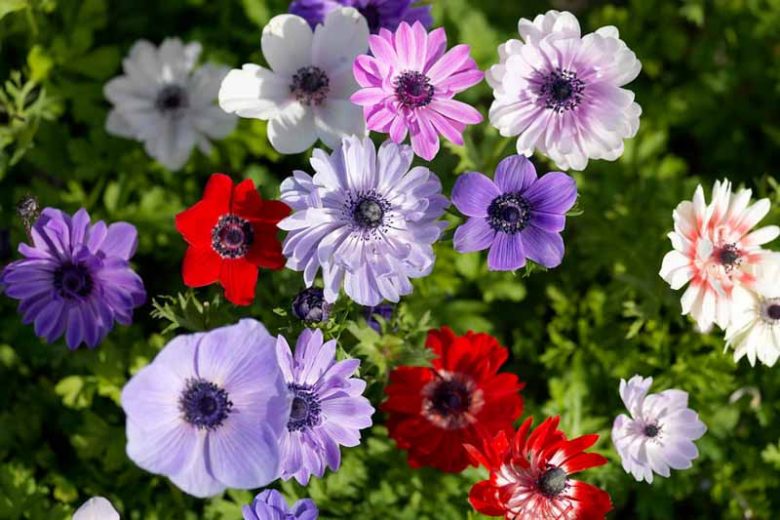
Poppy Anemone: A Stunning Addition to Your Garden

marwaarsanios.info – The Poppy Anemone (Anemone coronaria), also known as the “Windflower,” is a vibrant and stunning perennial that has captured the hearts of gardeners worldwide. Known for its bold, colorful blooms and delicate foliage, the Poppy Anemone is a standout in any garden. With its striking poppy-like flowers in shades of red, purple, pink, and white, this plant brings a splash of color and charm to spring and early summer gardens. Native to the Mediterranean region, the Poppy Anemone is prized for its ability to thrive in a variety of growing conditions while adding beauty and elegance to borders, flower beds, and container plantings.

Physical Characteristics

The Poppy Anemone is a herbaceous perennial that typically grows between 12 to 18 inches (30 to 45 cm) tall, making it a great choice for both small and large garden spaces. Its foliage consists of dark green, deeply lobed leaves that form a soft mound around the plant’s central flower stalks. The flowers are the main attraction of the Poppy Anemone, typically measuring about 3 to 4 inches (7.5 to 10 cm) in diameter. The blooms resemble poppies with their bold, flat petals and a prominent central dark eye. The flower colors range from vibrant reds and purples to soft pinks and whites, with some varieties featuring delicate, contrasting markings. The plant blooms in late spring to early summer, often from April to June, and the flowers typically last for several weeks, providing a colorful display during the garden’s peak blooming season.

Growing Conditions

Poppy Anemones thrive in full sun to partial shade and prefer well-drained, fertile soil. They are adaptable to a range of soil types, but they perform best in slightly alkaline to neutral soil. These flowers are relatively drought-tolerant once established, but they do appreciate regular watering, especially during dry spells, to keep their roots hydrated. Poppy Anemones can be planted in borders, flower beds, and containers, and they work well as a feature plant in mixed perennial gardens. While they are generally hardy in USDA zones 6 to 9, they are often grown as annuals or treated as tender perennials in cooler climates, where they can be dug up and stored during the winter months.

The plants can be propagated by dividing the tuberous roots in the fall or early spring. When planting, it’s important to plant the tubers at the proper depth—typically 2 to 3 inches (5 to 7 cm) deep—and ensure they are placed in well-draining soil to avoid waterlogged roots. Mulching around the base of the plants can help protect the tubers during colder months and prevent the soil from drying out during the warmer season.

Uses in Gardening and Landscaping

The Poppy Anemone is an excellent plant for adding vibrant color to gardens in spring and early summer. It works well in mixed perennial borders, flower beds, and as a ground cover where it can provide a burst of color during the growing season. Its low height makes it ideal for planting along the edges of pathways, in rock gardens, or in containers where it can be appreciated from up close. The flowers’ vivid colors also make them a great choice for cutting gardens, as they produce long-lasting blooms that can be used in fresh floral arrangements. The Poppy Anemone pairs beautifully with other early-season flowers like tulips, daffodils, and primroses, creating a dynamic and colorful spring display.

In addition to its ornamental value, the Poppy Anemone attracts pollinators, particularly bees and butterflies, which are drawn to the nectar-rich flowers. By incorporating this plant into a garden, gardeners can help support local pollinator populations while enjoying a beautiful floral display.

Health and Medicinal Benefits

While the Poppy Anemone is primarily grown for its beauty and ornamental appeal, some species in the Anemone genus have been used in traditional medicine. However, it is important to note that the Poppy Anemone itself is not widely used for medicinal purposes, and caution should be exercised when handling or using any part of the plant. Many species of Anemone contain compounds that can be toxic if consumed in large quantities. As such, the Poppy Anemone should be appreciated for its aesthetic qualities rather than its medicinal properties. Always consult a healthcare professional before using any plant for therapeutic purposes.

Ecological Importance

The Poppy Anemone plays a role in supporting pollinators, particularly bees and butterflies, which are attracted to the plant’s nectar-filled blooms. These pollinators are essential for the fertilization of many plants and contribute to the overall health and biodiversity of the garden. By planting Poppy Anemones, gardeners can help support local wildlife while adding beauty and color to their outdoor spaces. The plant’s ability to thrive in a variety of growing conditions also makes it an important component of gardens designed to promote ecological balance and biodiversity.

Conclusion

The Poppy Anemone is a beautiful and versatile perennial that adds a splash of color to gardens in the spring and early summer. With its striking, poppy-like flowers, vibrant colors, and graceful foliage, it is a perfect choice for gardeners looking to create an eye-catching floral display. Whether planted in borders, flower beds, or containers, the Poppy Anemone offers year-round interest with its stunning blooms and minimal care requirements. Its ability to attract pollinators and its adaptability to a range of growing conditions make it a valuable addition to any garden. Whether you’re looking to enhance your garden’s color palette or create a pollinator-friendly space, the Poppy Anemone is sure to delight.

Mexican Bush Sage: A Stunning Addition to Your Garden

marwaarsanios.info – Mexican Bush Sage (Salvia leucantha) is a striking perennial that brings vibrant color and texture to any garden. Known for its tall spikes of velvety purple or white flowers and silvery, aromatic foliage, this plant is a favorite among gardeners for its beauty, resilience, and ability to attract pollinators. Whether used as a focal point, in borders, or in wildflower gardens, Mexican Bush Sage adds a touch of the exotic to outdoor spaces and can thrive in various conditions, making it a versatile and low-maintenance choice.

Origins and Habitat

Native to Mexico, Mexican Bush Sage thrives in hot, sunny climates and is well-suited to dry, well-drained soils. In its native habitat, it can be found in scrublands and open areas where it enjoys the warmth and abundant sunlight. It is particularly adapted to the arid conditions of southwestern United States, Central Mexico, and parts of South America, where it grows naturally in both semi-desert and mountainous environments.

The plant is highly drought-tolerant, making it ideal for xeriscaping and low-water gardens. It can be grown in USDA hardiness zones 7 through 11, and while it is considered a perennial in warmer climates, it is often grown as an annual in cooler regions.

Characteristics and Varieties

Mexican Bush Sage is characterized by its soft, silvery-green leaves and long, upright spikes of tubular flowers. The flowers typically appear in clusters at the top of the plant, creating a striking display of color that contrasts beautifully with the plant’s foliage. The most common flower color is a vibrant purple, but some varieties produce white, pink, or lavender blooms, allowing for a wide range of options in garden design.

The plant has a shrubby growth habit, typically reaching heights of 3 to 5 feet and a similar spread, though it can sometimes grow taller under ideal conditions. Its woody stems give it a slightly architectural look, and it can be pruned to maintain a more compact form if desired. Mexican Bush Sage is often used in the middle or back of borders due to its height, but it can also be planted in masses or as a specimen plant to create a focal point in the garden.

There are several varieties and cultivars of Mexican Bush Sage, each with unique characteristics. Some notable varieties include:

  • ‘Midnight’: This variety is known for its deep, rich purple flowers and compact growth habit, typically reaching about 3 feet tall.
  • ‘Wendy’s Wish’: A cultivar that produces stunning magenta-pink flowers, perfect for adding a splash of bold color to the garden.
  • ‘Santa Barbara’: A slightly smaller cultivar with pale lavender flowers, ideal for more compact garden spaces or containers.

Growing Mexican Bush Sage

Mexican Bush Sage is relatively easy to grow and care for, making it a great choice for both novice and experienced gardeners. It thrives in full sun and requires well-drained soil to prevent root rot. While it is tolerant of poor, dry soils, it will perform best in moderately fertile soil that does not retain excess moisture. It’s an excellent choice for xeriscaping and can handle drought conditions once established.

To grow Mexican Bush Sage, plant it in a sunny location where it will receive at least 6 hours of direct sunlight per day. It can be grown from seed, but it is more commonly propagated from cuttings or purchased as young plants from garden centers. Space the plants about 18 to 24 inches apart to allow for their spreading growth.

Although Mexican Bush Sage is drought-tolerant once established, it benefits from regular watering during the growing season, especially during prolonged dry spells. However, it is important to avoid overwatering, as the plant prefers well-drained soil and does not tolerate soggy conditions.

Pruning is an important part of caring for Mexican Bush Sage. After the plant finishes blooming in the fall, cut it back to the ground to promote fresh growth the following season. This will also help maintain its shape and encourage a fuller, bushier plant. Regular deadheading of spent flowers can help prolong the blooming period and keep the plant looking tidy throughout the season.

Wildlife and Pollinator Benefits

One of the standout features of Mexican Bush Sage is its ability to attract pollinators. The tubular flowers are rich in nectar and draw a variety of pollinators, including hummingbirds, butterflies, and bees. The plant’s long bloom period, typically lasting from late summer through fall, makes it an important late-season nectar source for these creatures.

Its dense flower spikes also provide shelter and habitat for beneficial insects, making Mexican Bush Sage a valuable addition to pollinator gardens. Planting it near other nectar-rich flowers can create a diverse and vibrant ecosystem that supports local wildlife.

Symbolism and Significance

In the language of flowers, Mexican Bush Sage is often associated with love, passion, and vitality due to its vibrant colors and abundant blooms. The deep purple flowers are particularly symbolic of beauty and strength, making them a popular choice for flower arrangements and bouquets.

The plant is also valued in some cultures for its medicinal properties. While not typically used in modern herbal practices, some traditional uses of Salvia leucantha include the preparation of teas and infusions for digestive support and other mild ailments. As with all plants, it is important to research and consult a professional before using any plant for medicinal purposes.

Mexican Bush Sage in Garden Design

Mexican Bush Sage is a versatile plant that can be used in a variety of garden settings. Its tall, upright growth habit and striking flower spikes make it an excellent choice for the back of borders, where it can create vertical interest and add a splash of color. It also pairs beautifully with other heat-tolerant plants such as lantana, verbena, and ornamental grasses, which complement its soft, silvery foliage and provide additional texture.

In addition to its use in borders, Mexican Bush Sage is an excellent plant for attracting pollinators, making it a perfect choice for pollinator gardens or wildlife-friendly landscapes. It can also be grown in containers on patios or balconies, where its vibrant flowers can be enjoyed close up.

Its low-maintenance nature makes it an ideal choice for drought-tolerant gardens, xeriscaping, and areas with poor soil conditions. Whether planted in mass, as a specimen plant, or as part of a mixed perennial garden, Mexican Bush Sage adds beauty, resilience, and ecological value to any garden.

Conclusion

Mexican Bush Sage is a stunning and resilient plant that brings vibrant color, texture, and wildlife benefits to the garden. With its fragrant, velvety flowers, silvery foliage, and ability to attract pollinators, it is a fantastic choice for gardeners looking to create a low-maintenance, pollinator-friendly space. Whether used as a specimen plant, in mixed borders, or as part of a xeriscape garden, Mexican Bush Sage adds beauty and charm from late summer through fall. Its resilience, drought tolerance, and striking flowers make it a must-have for any garden.

Honeycup Flower: A Sweet and Vibrant Addition to Gardens

marwaarsanios.info – The Honeycup flower (Turk’s Cap Lily, Lilium superbum), known for its striking beauty and unique form, is a delightful addition to gardens. With its vibrant, trumpet-shaped blooms and a history that dates back to North American landscapes, the Honeycup flower is cherished for both its ornamental appeal and its role in supporting local ecosystems. In this article, we will explore the characteristics, growing conditions, and benefits of cultivating the Honeycup flower in your garden.

Characteristics of the Honeycup Flower

The Honeycup flower is an elegant perennial known for its large, upward-facing flowers that resemble the shape of a cup or trumpet. The blooms are typically orange to yellow in color, sometimes featuring darker spots or markings, adding to their beauty and vibrancy. Each flower has six petal-like tepals that curl backward, creating an open, star-shaped bloom. These flowers are fragrant and tend to attract pollinators, particularly hummingbirds and bees, due to their bright color and nectar-rich structure.

The Honeycup flower is part of the Lilium family, and as a tall-growing plant, it can reach heights of 4 to 6 feet. Its flowers appear in late summer, typically in July to August, and bloom in clusters along tall stems. The foliage consists of narrow, lance-shaped leaves that grow in whorls around the stem, contributing to the plant’s graceful appearance.

The plant is also known for its sturdy structure, and its ability to thrive in a range of growing conditions makes it an attractive option for gardeners seeking a showy, hardy flower.

Ideal Growing Conditions

While the Honeycup flower is relatively easy to grow, it does have some specific needs to thrive and bloom to its full potential. Here are the essential factors to ensure successful cultivation:

  • Sunlight: Honeycup flowers prefer full sun to partial shade. They thrive in areas that receive at least 6 hours of direct sunlight each day. However, they can tolerate some afternoon shade, especially in warmer climates.
  • Soil: Well-drained, rich soil is essential for the Honeycup flower. The plant prefers loamy or sandy soil that retains some moisture but does not stay soggy. Soil with a slightly acidic to neutral pH is ideal.
  • Watering: Consistent watering is crucial during the growing season, particularly when the flower is establishing roots and during the blooming period. Ensure that the soil stays evenly moist but avoid overwatering, as this can lead to root rot.
  • Temperature: The Honeycup flower is hardy in USDA zones 4 to 9. It thrives in temperate climates with cool to moderate summer temperatures. While it can tolerate some frost, it is best grown in areas with mild winters to ensure its longevity.
  • Fertilizing: Honeycup flowers benefit from periodic feeding with a balanced, slow-release fertilizer. Apply fertilizer in the spring as the plant begins to grow and again after flowering to support continued health and future blooms.

Benefits of Growing Honeycup Flowers

There are numerous reasons to incorporate Honeycup flowers into your garden, from their striking beauty to their ecological benefits. Here are some of the key advantages of growing Honeycup flowers:

  • Attracts Pollinators: Honeycup flowers are particularly attractive to hummingbirds and bees, which are drawn to the nectar-rich blooms. Planting Honeycup flowers in your garden helps support pollinator populations, which are vital for maintaining healthy ecosystems and gardens.
  • Stunning Blooms: The large, trumpet-shaped flowers of the Honeycup are a stunning addition to any garden. Their vibrant colors and unique shape make them an eye-catching focal point, particularly when planted in clusters.
  • Low Maintenance: Once established, Honeycup flowers are relatively low maintenance. They are resistant to many common pests and diseases and are relatively drought-tolerant once their roots are well-developed. This makes them an excellent choice for gardeners seeking a beautiful but easy-to-care-for plant.
  • Versatile Landscaping: Due to their tall, upright growth habit, Honeycup flowers are perfect for creating vertical interest in the garden. They work well in borders, along fences, or in the back of flower beds where they can be appreciated from a distance.
  • Ecological Value: In addition to attracting pollinators, Honeycup flowers support local ecosystems by providing habitat and food sources for various species. By growing these flowers in your garden, you are helping to sustain wildlife and promote biodiversity.

Creative Garden Uses

The Honeycup flower’s striking appearance and pollinator-friendly nature make it a versatile addition to many different types of garden designs. Here are some creative ways to incorporate Honeycup flowers into your landscape:

  • Mixed Flower Borders: Honeycup flowers can be planted in the back of a mixed flower border, where their tall stems and large blooms will add height and drama. Pair them with other late-blooming perennials such as asters, coneflowers, or black-eyed Susans for a colorful, vibrant display.
  • Wildlife Gardens: Since Honeycup flowers attract hummingbirds and bees, they are perfect for wildlife or pollinator gardens. Planting them in areas with other nectar-rich plants will create a haven for pollinators and other beneficial insects.
  • Cut Flowers: The Honeycup flower’s large, showy blooms make it an excellent choice for cut flowers. They can be used in floral arrangements to add color and height to bouquets. Their strong stems also make them ideal for long-lasting displays.
  • Naturalized Gardens: Honeycup flowers are perfect for creating naturalized or informal garden designs. Their height and elegant appearance can be complemented by planting in wildflower meadows, along woodland edges, or in cottage-style gardens.
  • Container Gardens: In regions with colder winters, Honeycup flowers can be grown in containers and brought indoors during the winter months. This allows gardeners in cooler climates to enjoy the beauty of this flower year-round.

Conclusion

The Honeycup flower is a striking and versatile plant that offers both aesthetic appeal and ecological benefits. Its tall, trumpet-shaped blooms and vibrant colors make it a wonderful addition to any garden, while its ability to attract pollinators supports local ecosystems. Whether planted in borders, wildlife gardens, or as a focal point in the landscape, the Honeycup flower is sure to enhance any outdoor space with its beauty and charm. With its relatively low maintenance needs and impressive blooms, the Honeycup is a plant that will continue to delight gardeners and wildlife alike for many seasons.