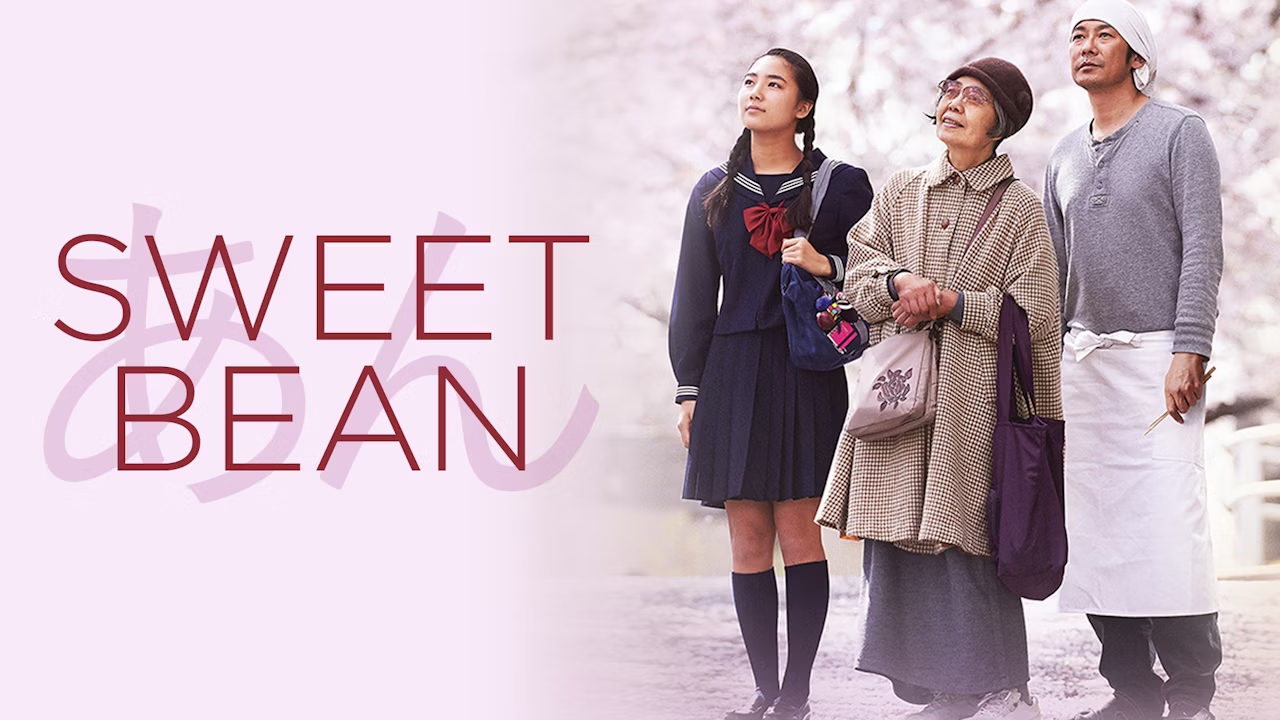
marwaarsanios.info – “Sweet Bean,” directed by Naomi Kawase, is a poignant Japanese drama that debuted in 2015. Known in Japan as “An,” the film is a heartwarming narrative that explores themes of connection, redemption, and the simple joys of life. Based on the novel by Durian Sukegawa, “Sweet Bean” invites audiences into a world where food becomes a medium for healing and understanding.
Plot Overview
Setting and Characters
The story unfolds in a modest bakery in suburban Tokyo, where Sentaro, played by Masatoshi Nagase, struggles to run a dorayaki shop. Dorayaki are traditional Japanese pancakes filled with sweet bean paste, and Sentaro’s life revolves around his small, unremarkable business. His mundane routine takes an unexpected turn when he meets Tokue, an elderly woman portrayed by Kirin Kiki, who offers to help him with her exceptional sweet bean paste recipe.
Storyline
Initially reluctant, Sentaro is persuaded by Tokue’s enthusiasm and culinary skill. As they work together, Tokue’s secret ingredient transforms the shop’s fortunes. However, Tokue harbors a painful secret from her past, which gradually unfolds, revealing deeper layers of her character. The film explores the evolving relationship between Sentaro and Tokue, alongside a young schoolgirl named Wakana, played by Kyara Uchida, who becomes a regular visitor to the shop.
Themes and Analysis
The Power of Food and Connection
“Sweet Bean” beautifully illustrates how food can bridge gaps between people. Tokue’s sweet bean paste is more than just a culinary delight; it symbolizes love, patience, and the ability to bring people together. Through shared meals and conversations, the characters find solace and understanding in one another, highlighting the film’s central theme of connection.
Redemption and Acceptance
The film delves into themes of redemption, particularly in Sentaro’s character arc. Burdened by past mistakes and a sense of unfulfillment, Sentaro’s interactions with Tokue and Wakana lead him towards personal growth and acceptance. Tokue’s story, intertwined with themes of societal prejudice and resilience, underscores the film’s message of empathy and forgiveness.
Cinematic Techniques
Direction and Visual Style
Naomi Kawase’s direction is marked by a gentle, contemplative style that emphasizes the film’s emotional depth. The cinematography captures the natural beauty of the changing seasons, mirroring the characters’ internal transformations. The film’s pacing allows viewers to savor each moment, much like the characters savor the dorayaki.
Performances
Kirin Kiki delivers a standout performance as Tokue, infusing her character with warmth and wisdom. Masatoshi Nagase portrays Sentaro with subtlety, capturing the character’s journey from cynicism to hope. The chemistry between the cast members enhances the film’s heartfelt narrative.
Conclusion
“Sweet Bean” is a touching film that resonates with its audience through its universal themes and endearing characters. It is a testament to the power of friendship, food, and the human spirit. For viewers seeking a story that combines culinary artistry with profound life lessons, “Sweet Bean” offers a delightful and moving cinematic experience.