Jon Kortajarena: A Leading Man of the Modeling World

marwaarsanios.info – Jon Kortajarena, a name synonymous with style, sophistication, and international appeal, is one of Spain’s most successful male models. With his striking features, chiseled physique, and undeniable charisma, Kortajarena has graced the catwalks of the world’s top fashion houses and adorned the covers of numerous prestigious magazines.

Early Life and Career Beginnings

Born on May 19, 1981, in Bilbao, Spain, Kortajarena’s journey into the world of fashion began in his early twenties. His natural good looks and athletic build caught the attention of talent scouts, leading to opportunities in the modeling industry.

A Global Sensation

Kortajarena’s breakthrough came in the early 2000s when he started working with renowned fashion designers such as Tom Ford, Calvin Klein, and Dolce & Gabbana. His ability to effortlessly embody the essence of each designer’s vision, coupled with his magnetic personality, made him a sought-after model on the international fashion scene.

A Versatile Model

Kortajarena’s versatility as a model is evident in the diverse range of campaigns and editorials he has worked on. He has successfully transitioned from high-fashion runway shows to commercial campaigns, showcasing his ability to adapt to different styles and aesthetics.

Beyond the Runway

In addition to his successful modeling career, Kortajarena has ventured into acting. He has appeared in several films and television series, demonstrating his talent and charisma on the silver screen.

A Lasting Legacy

Jon Kortajarena’s impact on the fashion industry is undeniable. His elegance, professionalism, and dedication to his craft have made him a true icon. As he continues to inspire and captivate audiences, his legacy as one of Spain’s most successful male models is assured.
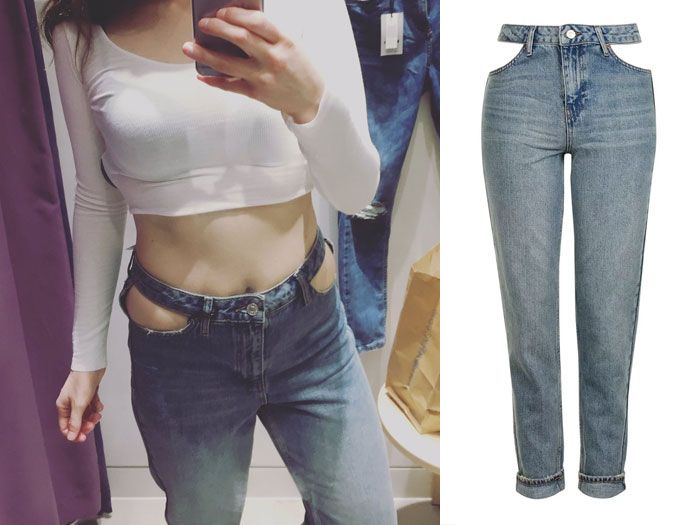
From Pet Rocks to Low-Rise Jeans: Stupid Fashion Trends

marwaarsanios.info – Fashion is a fickle beast, constantly evolving and redefining what is considered stylish. Throughout history, there have been numerous trends that, in retrospect, seem not only outlandish but downright silly. From the bizarre to the impractical, these trends have left a mark on the cultural landscape, often becoming the butt of jokes in the years that follow. Let’s take a walk down memory lane and revisit some of the most questionable fashion trends that have graced our society, from the innocuous pet rocks to the controversial low-rise jeans.

The Rise and Fall of Pet Rocks

In the 1970s, the concept of pet ownership was turned on its head with the introduction of pet rocks. These ordinary stones, packaged with eyes and marketed as living pets, became a national craze. The trend was a testament to the power of marketing and the human desire for companionship, even if it meant adopting an inanimate object. While pet rocks were more of a novelty item than a fashion trend, they exemplify the absurd lengths to which people will go to be part of a cultural movement.

The Return of Low-Rise Jeans

Low-rise jeans, characterized by their waistbands that sit well below the natural waistline, have had a tumultuous relationship with the fashion world. First popularized in the late 1990s and early 2000s, they were celebrated for their sleek and sexy silhouette. However, as the years went by, the trend fell out of favor, criticized for being uncomfortable and unflattering for many body types. Yet, like a bad penny, low-rise jeans have made a comeback in recent seasons, sparking debates about comfort, body positivity, and the cyclical nature of fashion.

Other Notable Mention: The Digital Age of Fashion

In the digital age, fashion trends have taken on a new form, with social media influencers and celebrities dictating what’s hot and what’s not. From the “VSCO girl” aesthetic to the “e-girl” look, these trends are characterized by specific accessories, makeup, and clothing items that are quickly adopted and just as quickly discarded. The speed at which these trends emerge and fade is a reflection of our fast-paced, internet-driven world.

Conclusion

While some fashion trends stand the test of time, others are destined to be remembered as the silly fads of their era. Pet rocks, low-rise jeans, and the ever-changing digital trends are all examples of how fashion can sometimes take a turn towards the absurd. Yet, these trends also serve as a reminder of the creativity and unpredictability that define the fashion industry. Whether we’re laughing at or wearing these trends, one thing is certain: fashion will continue to surprise us with its next big idea.

Visual History: Oscars Fashion Through the Decades

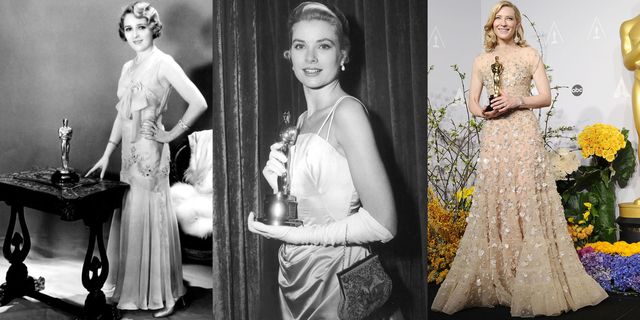
marwaarsanios.info – The Oscars, officially known as the Academy Awards, is not just a celebration of cinematic excellence but also a grand showcase of fashion and style. Over the years, the red carpet has become a runway for the world’s most talented designers and their celebrity muses. From the glamorous gowns of the 1940s to the bold statements of the 2000s, the evolution of Oscars fashion is a fascinating journey through the decades.

The Golden Age: 1940s and 1950s

During the Golden Age of Hollywood, the Oscars were a testament to elegance and sophistication. Actresses like Joan Crawford and Grace Kelly graced the red carpet in flowing gowns with intricate details, cinched waists, and dramatic trains. The fashion of this era was heavily influenced by the film industry itself, with designers like Edith Head creating custom pieces that would become iconic.

The Swinging Sixties

The 1960s brought a wave of change to the Oscars red carpet. As fashion became more daring and experimental, so did the choices of the stars. Mini skirts, bold colors, and geometric patterns made their debut, reflecting the vibrant cultural scene of the decade. Audrey Hepburn and Elizabeth Taylor were among the trendsetters, each with their distinct style that captured the essence of the sixties.

The Glam Rock and Disco Era: 1970s

The 1970s were all about glam rock and disco, and the Oscars were no exception. Sequins, platform shoes, and wide-legged trousers were the order of the day. This was also the era of the jumpsuit, with stars like Cher and Barbra Streisand redefining what it meant to be fashion-forward at an awards show.

The Power of the Eighties

The 1980s were characterized by power dressing, and the Oscars were a prime example of this trend. Big hair, shoulder pads, and metallic fabrics dominated the red carpet. Stars like Madonna and Cher continued to push the boundaries of fashion, making bold statements that would be remembered for years to come.

The Grunge and Glamour of the Nineties

The 1990s saw a shift towards minimalism and grunge, but the Oscars remained a bastion of glamour. The decade was marked by the rise of supermodels and the influence of high fashion on the red carpet. Iconic moments included Gwyneth Paltrow’s pink Ralph Lauren gown and Julia Roberts’s vintage Chanel.

The New Millennium: 2000s

The 2000s were all about individuality and self-expression. Celebrities began to take more risks, with fashion becoming an extension of their personal brand. The decade saw the rise of the “naked dress” trend, with stars like Jennifer Lopez and Halle Berry making headlines for their daring choices.

The Modern Era: 2010s to Present

In recent years, the Oscars have become a platform for social and political statements through fashion. Celebrities have used the red carpet to support causes, from gender equality to sustainability in fashion. The #MeToo and Time’s Up movements have also had a significant impact, with many stars choosing to wear black in solidarity.

As we look back at the history of Oscars fashion, it’s clear that the red carpet has always been more than just a parade of pretty dresses. It’s a reflection of the times, a showcase for creativity, and a powerful tool for change. Whether it’s a classic gown from the 1940s or a modern statement piece, each decade has left its mark on the annals of fashion history.