marwaarsanios.info – Asia, a continent of immense diversity and rapid economic growth, is also a region of complex political landscapes. The political dynamics in Asia present both significant challenges and remarkable opportunities, influencing not only the regional balance but also the global stage. This article delves into the current political environment in Asia, exploring key challenges and opportunities that shape the region’s future.
Key Political Dynamics
Geopolitical Rivalries
Asia is home to some of the world’s most significant geopolitical rivalries, with tensions often arising from historical disputes, territorial claims, and regional power shifts. The South China Sea, for instance, remains a flashpoint due to overlapping territorial claims by several countries. Similarly, the India-China border dispute continues to strain relations between the two nuclear-armed neighbors. These rivalries require careful navigation to prevent escalation and maintain regional stability.
Economic Integration and Cooperation
Despite geopolitical tensions, Asia has seen significant strides in economic integration. Initiatives like the Regional Comprehensive Economic Partnership (RCEP) and China’s Belt and Road Initiative (BRI) aim to enhance connectivity and facilitate trade across the continent. These efforts present opportunities for regional development, increased economic cooperation, and the strengthening of political ties among participating nations.
Challenges Facing Asia’s Political Landscape
Security Concerns
Security issues, both traditional and non-traditional, pose significant challenges to Asia’s political landscape. The Korean Peninsula remains a focal point of concern, with North Korea’s nuclear ambitions creating regional instability. Additionally, non-traditional security threats such as cyberattacks, terrorism, and climate change require coordinated regional responses and adaptive strategies.
Governance and Political Stability
Political stability is a crucial factor in maintaining economic growth and social harmony. However, several Asian countries face challenges related to governance, corruption, and democratic institutions. Political unrest, such as the protests in Hong Kong and Myanmar’s military coup, highlights the need for sustainable governance solutions that address citizens’ demands while ensuring stability.
Opportunities for Growth and Collaboration
Technological Advancements
Asia’s rapid technological advancements present opportunities for political and economic transformation. Countries like Japan, South Korea, and China are leaders in technological innovation, offering potential for collaboration in areas such as digital governance, smart cities, and cybersecurity. Leveraging technology can enhance governance efficiency and address complex regional challenges.
Regional Cooperation Initiatives
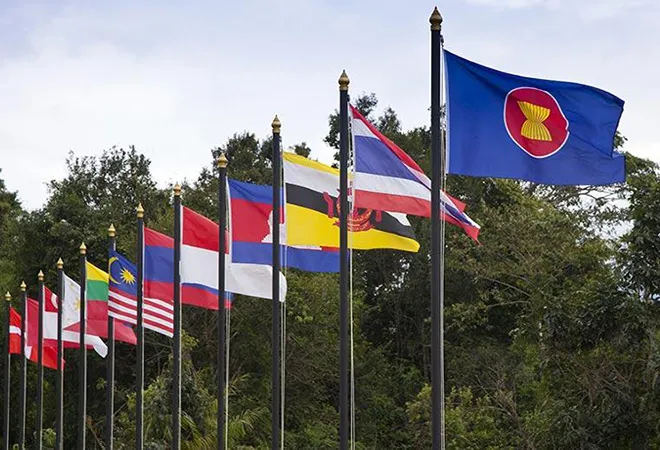
Regional cooperation initiatives offer platforms for addressing shared challenges and fostering dialogue. Organizations such as the Association of Southeast Asian Nations (ASEAN) play a pivotal role in promoting peace, security, and economic collaboration among member states. Strengthening these regional frameworks can enhance collective resilience and address issues such as climate change and public health crises.
Conclusion
The political dynamics in Asia are characterized by a delicate balance of challenges and opportunities. Navigating this complex landscape requires strategic foresight, regional cooperation, and adaptive governance. By addressing security concerns, fostering economic integration, and leveraging technological advancements, Asia can harness its potential to contribute positively to global stability and prosperity. As the region continues to evolve, the interplay of these dynamics will shape not only Asia’s future but also the broader geopolitical landscape.